


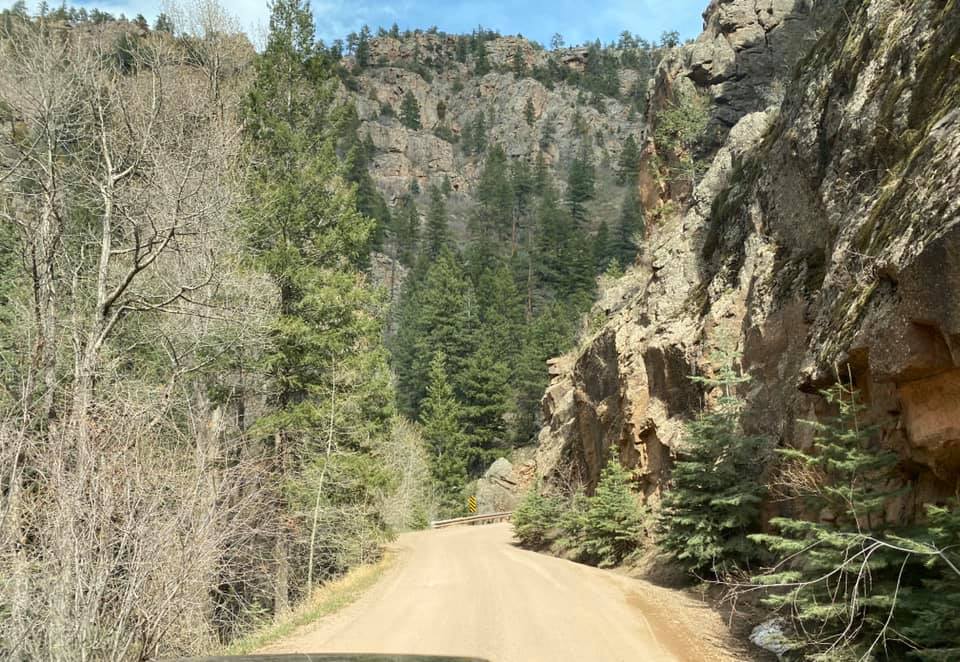
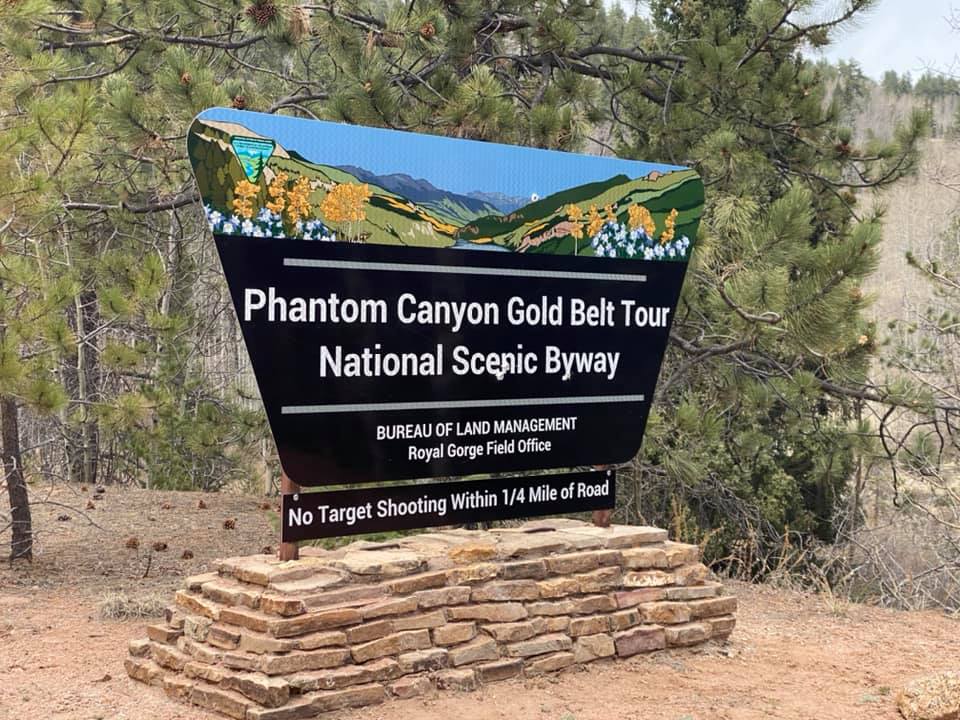
Today, Bill and I decided to embark on an adventure through the Phantom Canyon Gold Belt National Scenic Byway. Armed with snacks and accompanied by the classic tunes of Led Zeppelin radio, we set off to explore this historical and scenic route.
The Scenic Drive
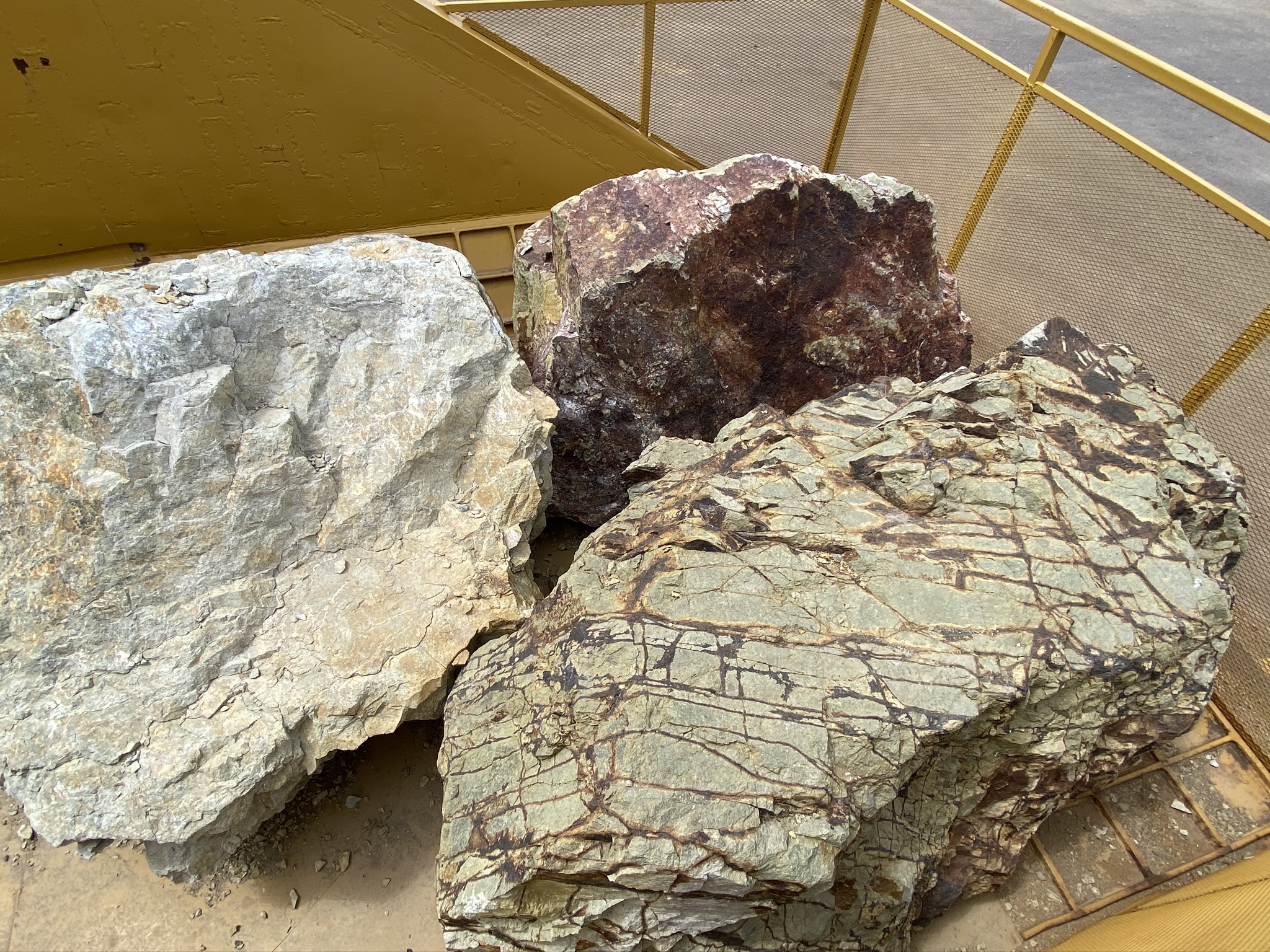
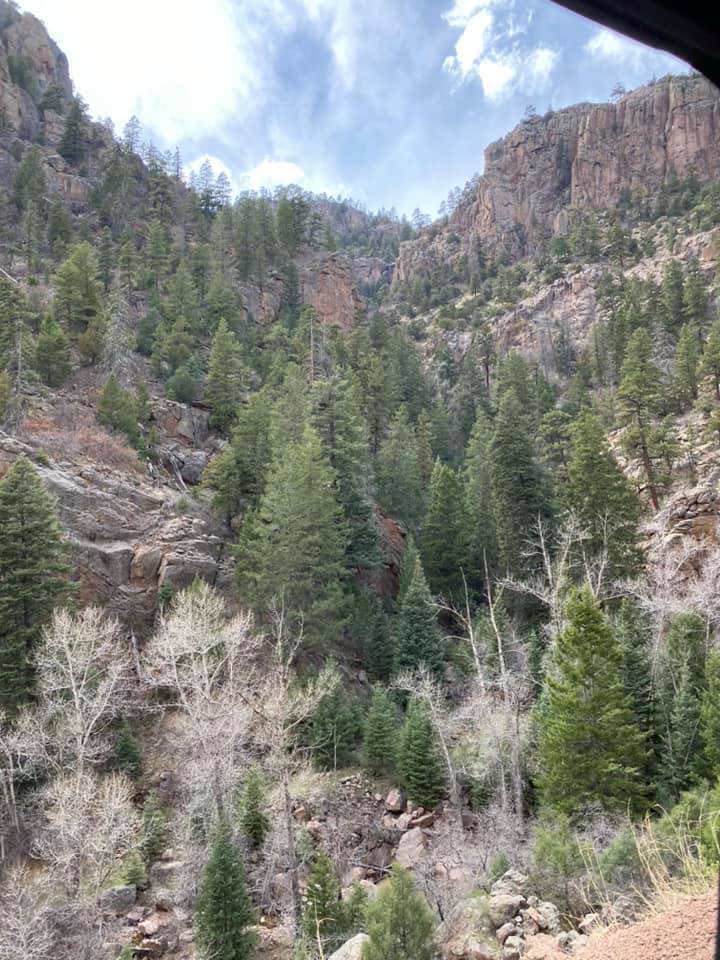
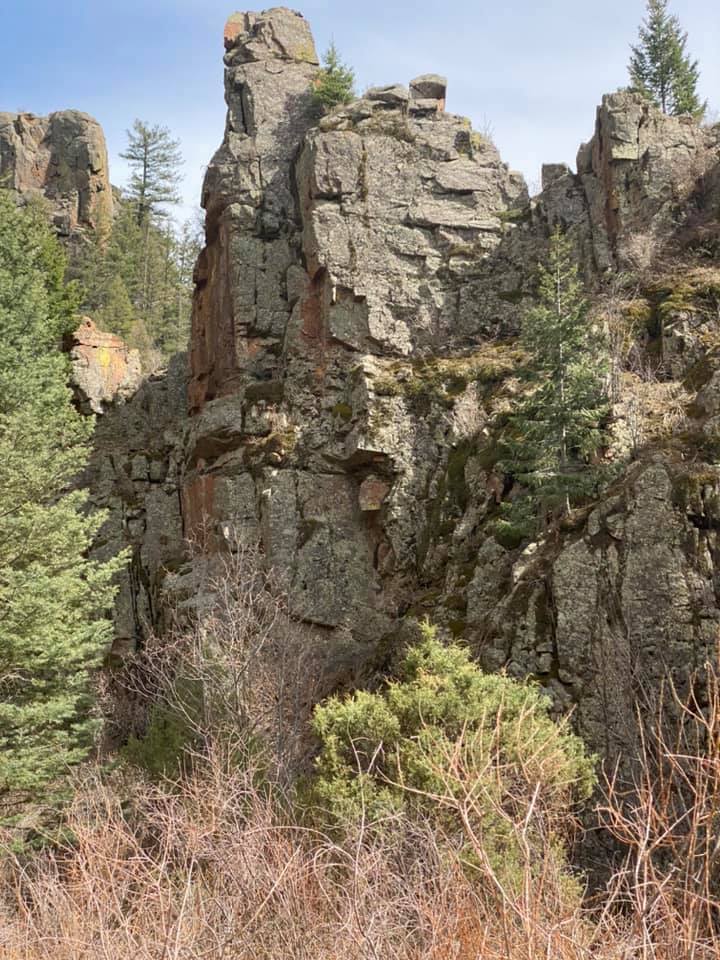
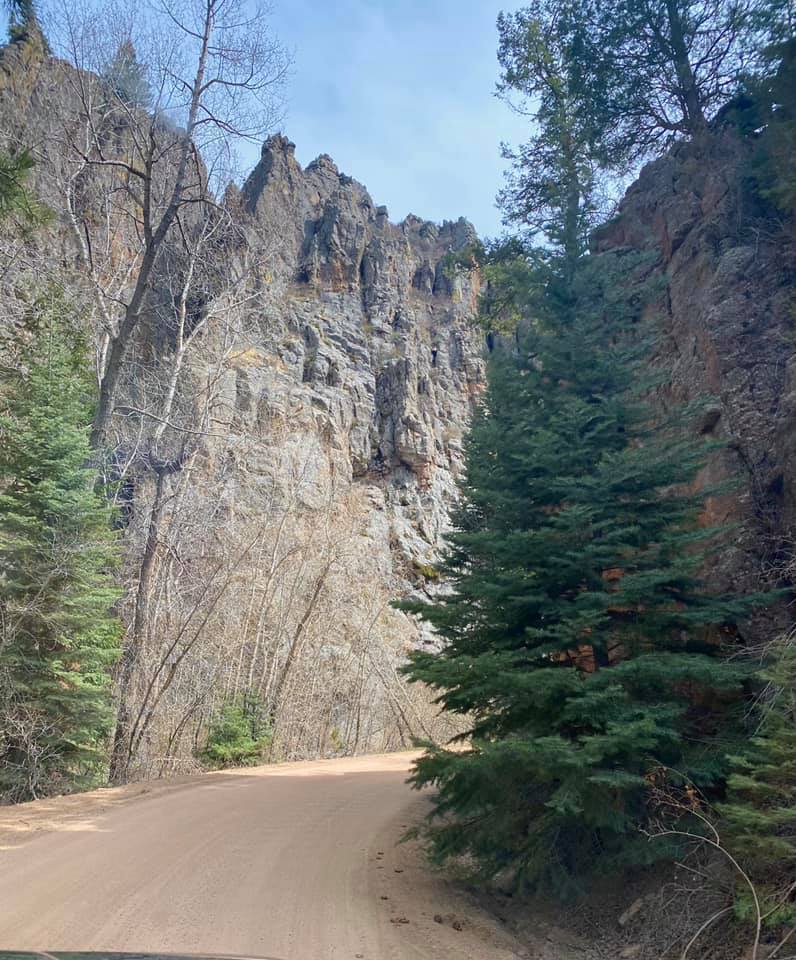
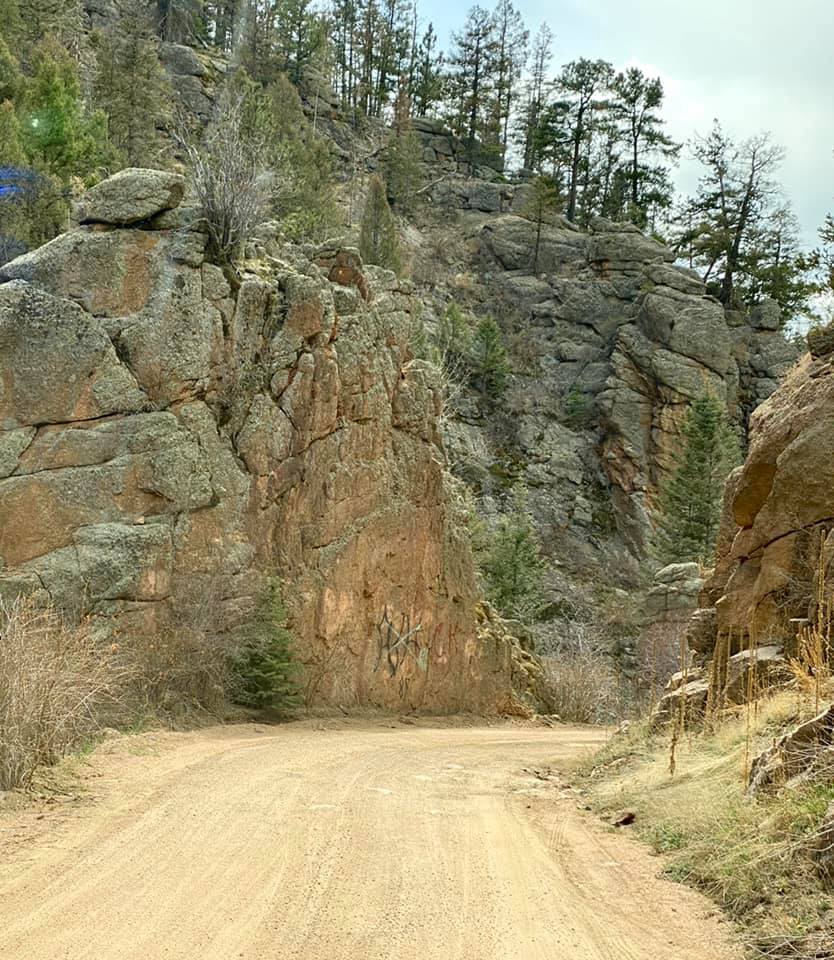
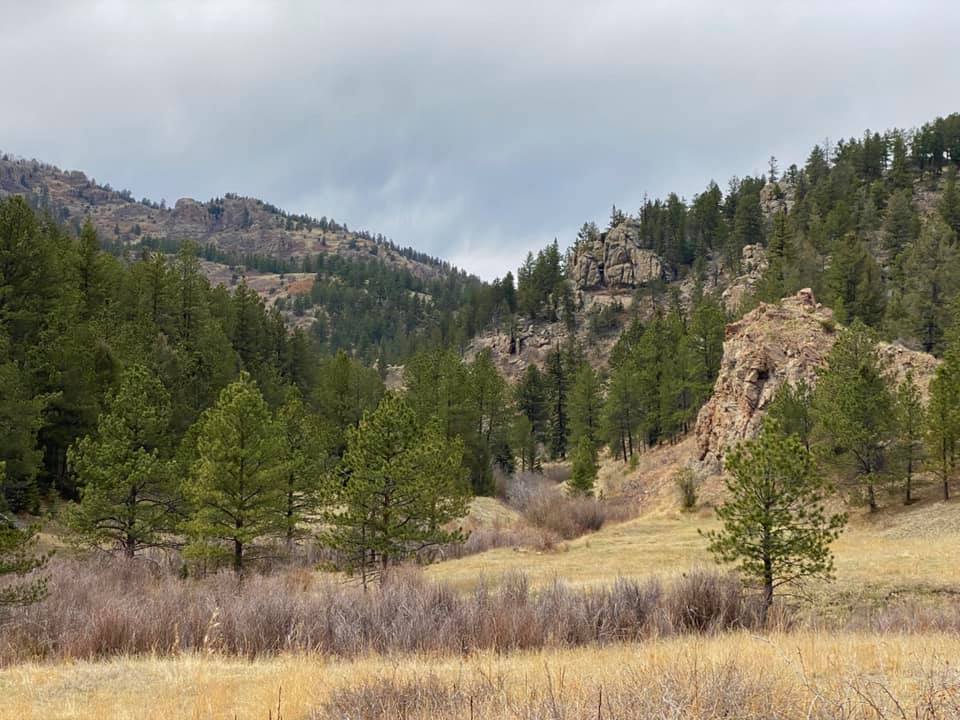
The drive was nothing short of spectacular. As we navigated through the green-spotted canyon walls and twisty turns, the beauty of Phantom Canyon unfolded before us. This byway, perched on what was once a powerhouse railroad for the mining districts of Cripple Creek, Cañon City, and Florence in the 1800s, is a treasure trove of history and natural beauty.
Echoes of the Past
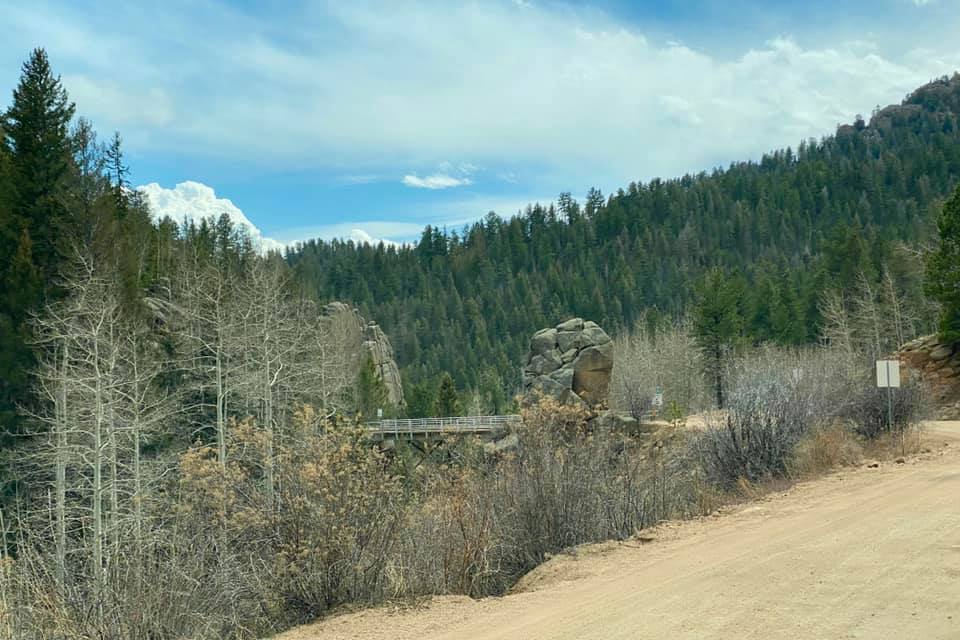
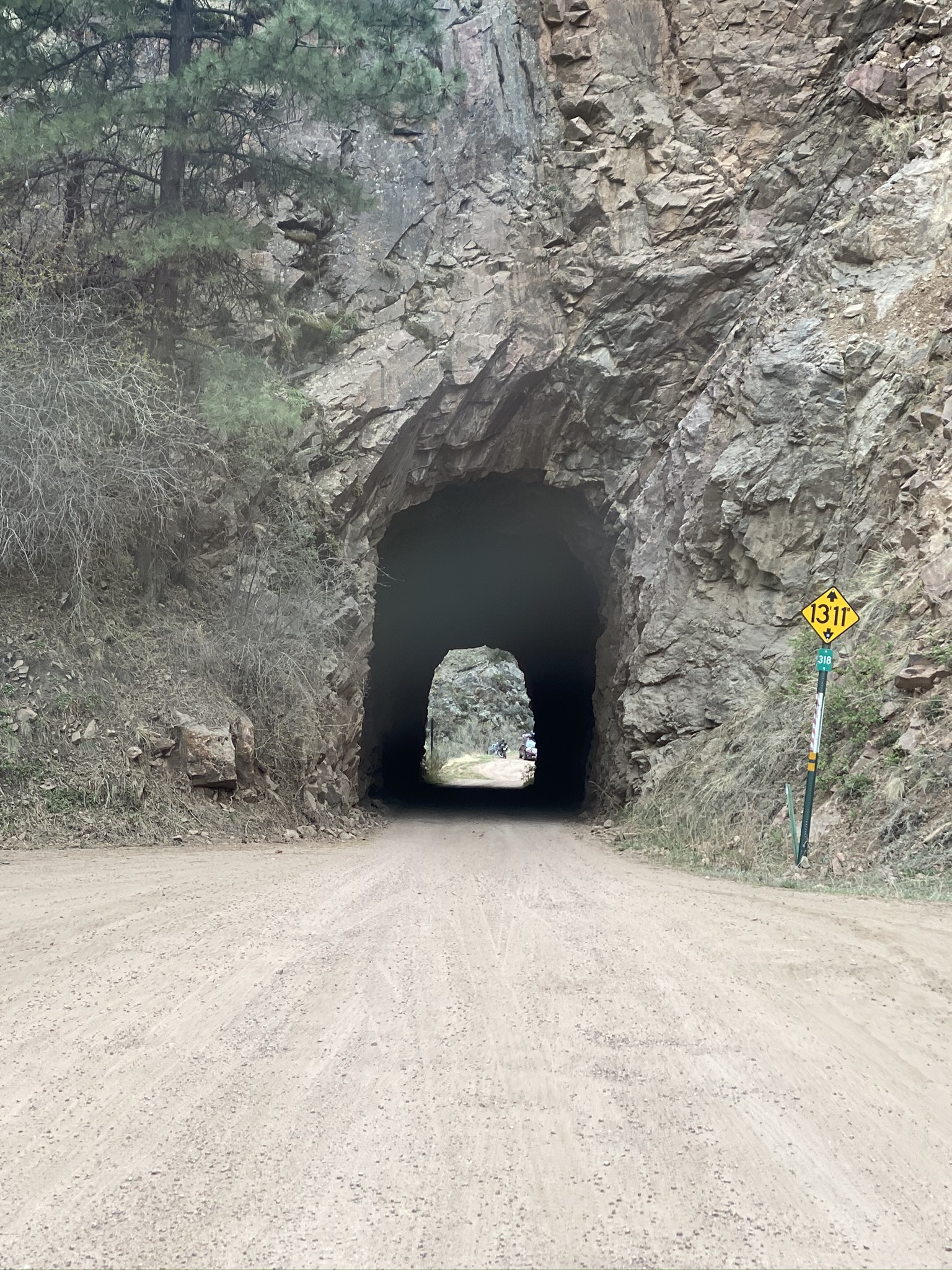
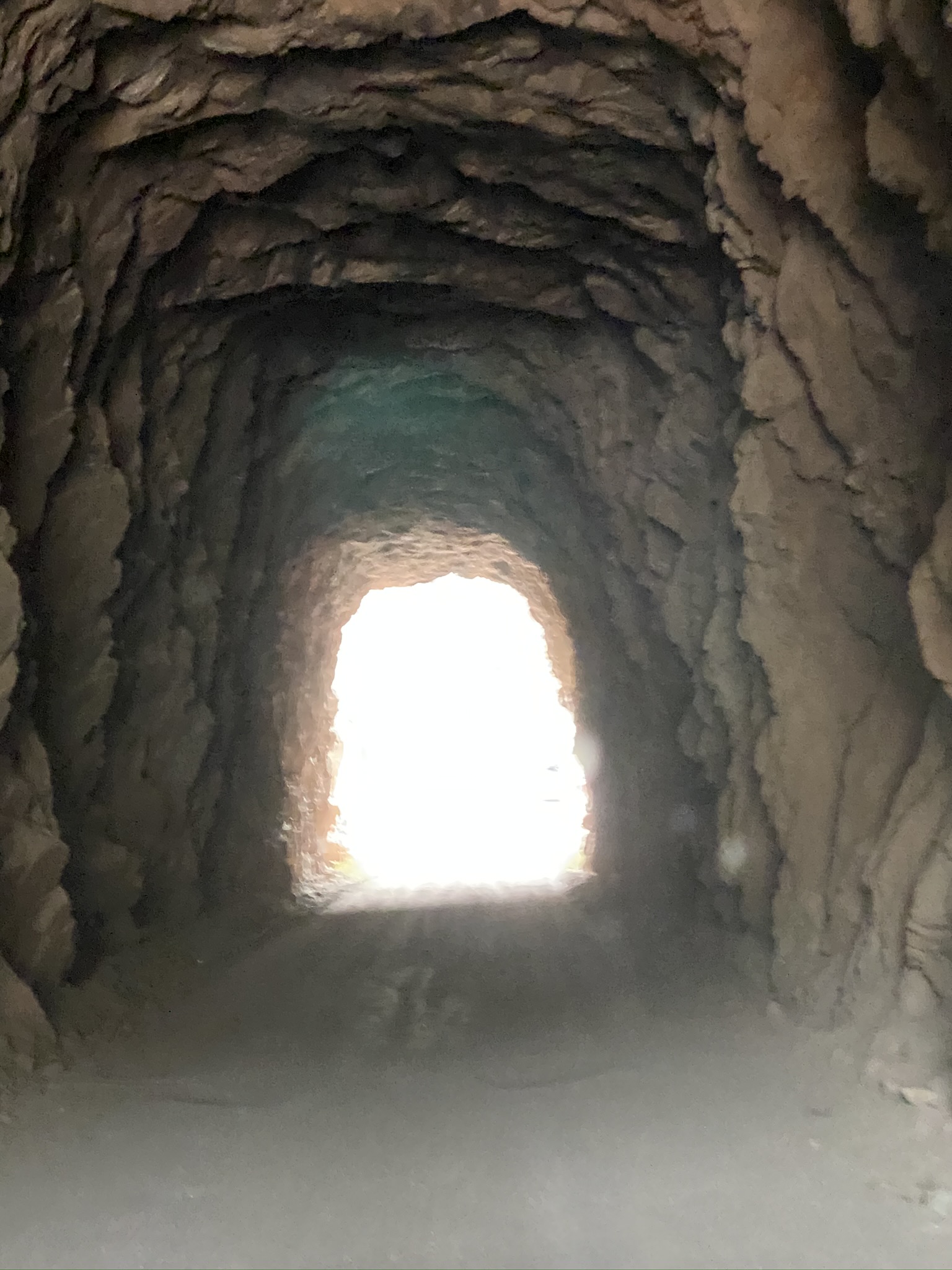
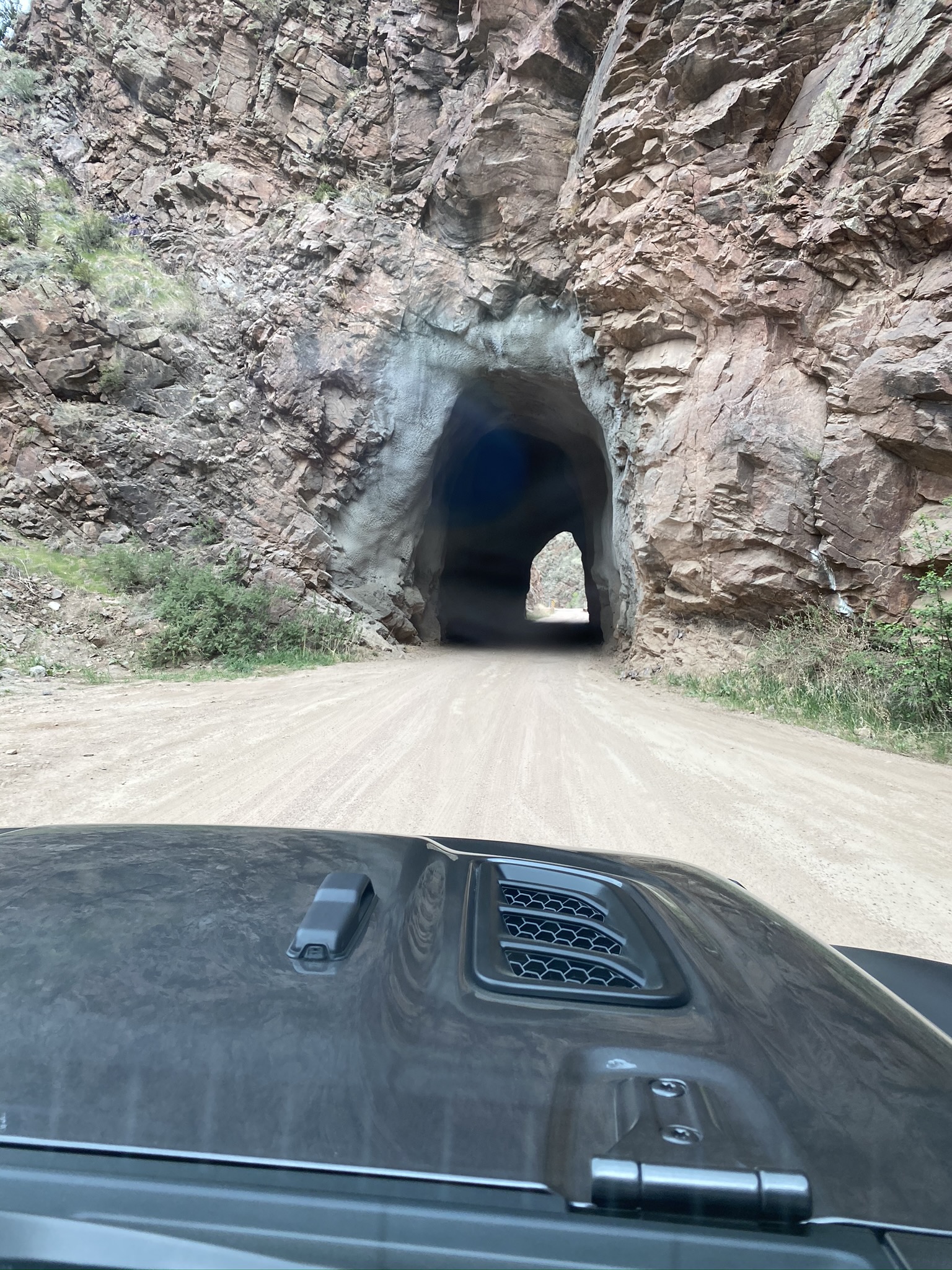
As we crossed several bridges and passed through a couple of tunnels, it was easy to imagine the sound of a train horn echoing through the canyon. The route was once traversed by trains, making it a vital artery for the mining industry. The historical significance of this byway is palpable, and each turn seemed to whisper tales of the past.
Cripple Creek and the Sangre de Cristo Mountains
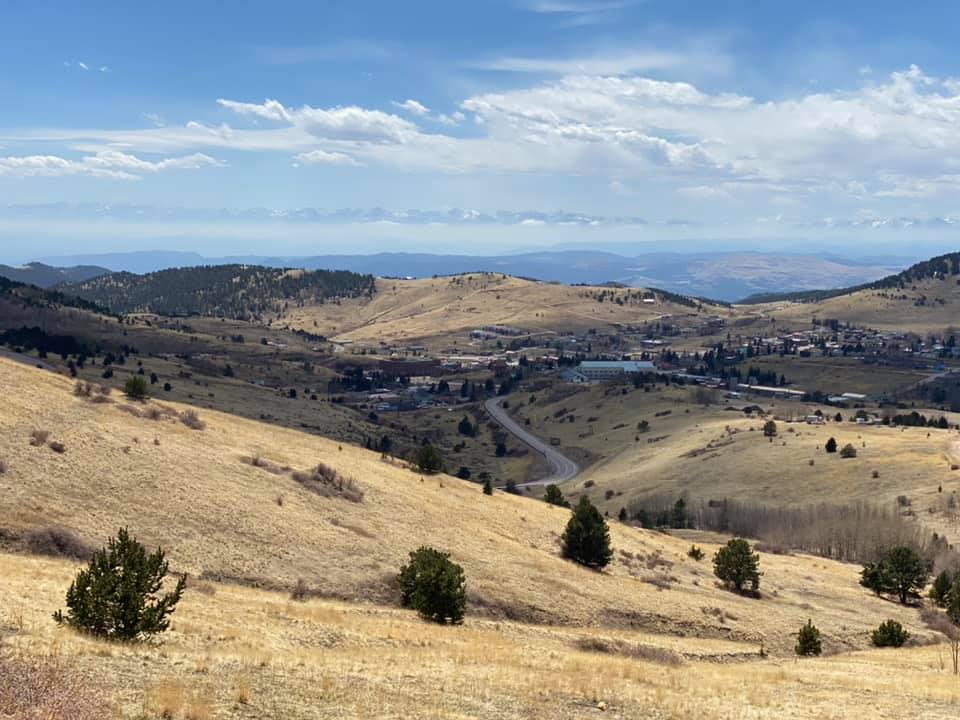
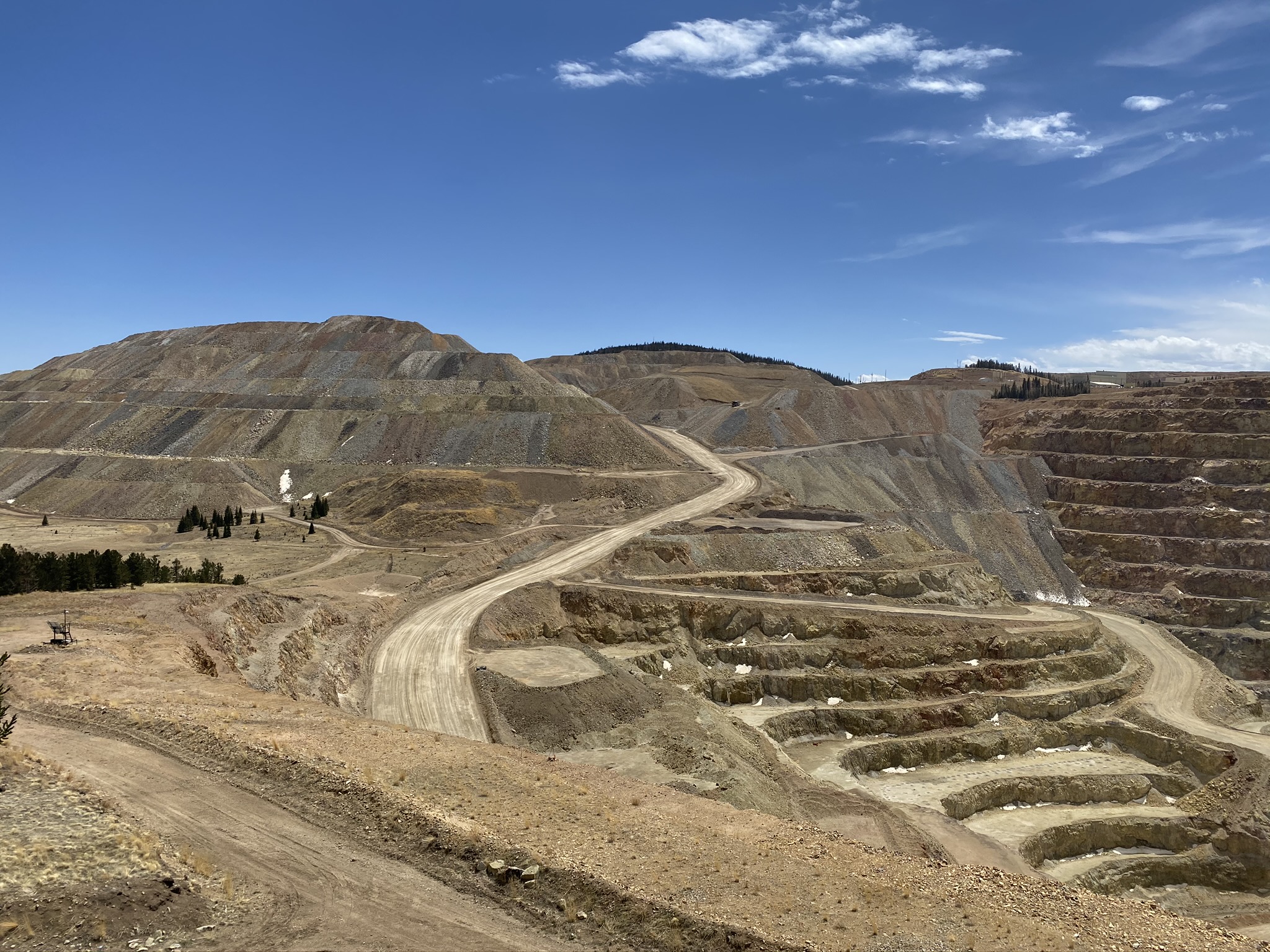
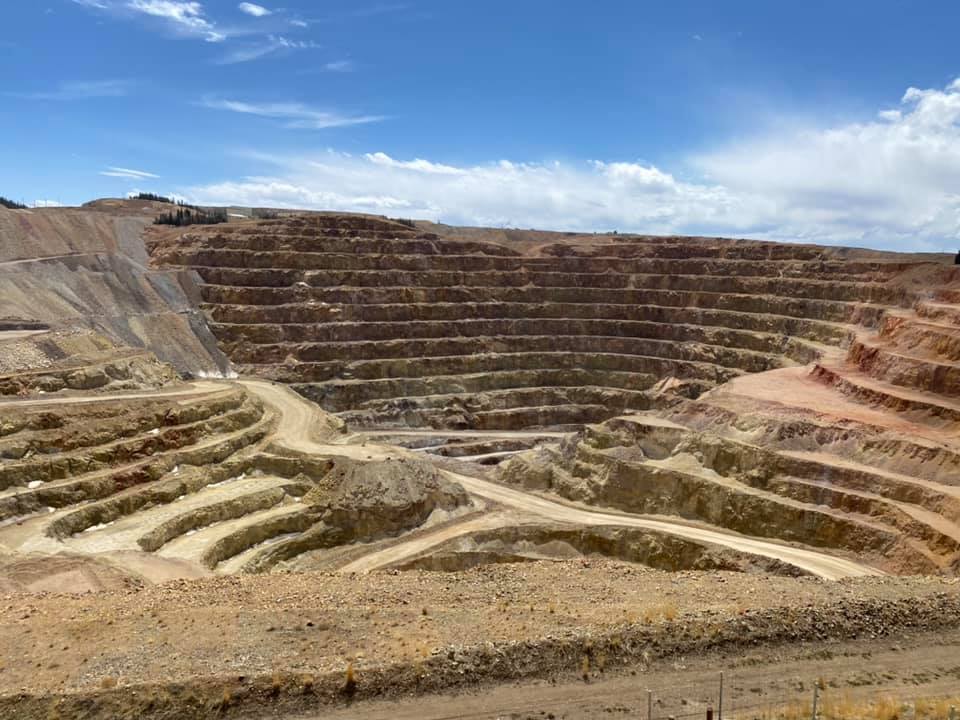
One of the highlights of our drive was the view of Cripple Creek below, with the majestic Sangre de Cristo Mountains rising above the clouds. This mining town, once known as “the greatest gold camp in the world,” yielded an astounding 23.5 million ounces of gold between 1891 and 2005. Passing by the gold mine pit was a stark reminder of the region’s rich mining history.
A Journey Through Time
Driving through Phantom Canyon, Bill and I couldn’t help but feel a deep connection to the past. The remnants of the old railroad, the historical bridges, and the tunnels all painted a vivid picture of a bygone era. The scenery was breathtaking, and the sense of history was profound.
A Day Well Spent
Our drive through the Phantom Canyon Gold Belt National Scenic Byway was a journey through time and beauty. The combination of stunning landscapes, historical landmarks, and the spirit of adventure made it a day to remember. As we drove back, the sounds of Led Zeppelin providing the perfect soundtrack, we reflected on the rich history and natural splendor we had experienced.
Today was more than just a drive; it was a step back in time, a reminder of the incredible stories that the landscapes of Colorado hold. And with each turn of the road, we felt a deeper appreciation for the wonders of Phantom Canyon.
History of Phantom Canyon, Colorado
Phantom Canyon is a captivating and historically rich area nestled within the rugged landscapes of Colorado. This scenic byway, part of the Gold Belt Tour Scenic and Historic Byway, offers not only breathtaking views but also a fascinating glimpse into the region’s mining heritage.
The Birth of Phantom Canyon Road
Phantom Canyon Road, which spans about 30 miles between Florence and Cripple Creek, was originally constructed in the 1890s as a narrow-gauge railroad route for the Florence and Cripple Creek Railroad. This railroad was a crucial transportation link during the Colorado Gold Rush, enabling the movement of gold and supplies between the mining districts of Cripple Creek and the towns of Florence and Cañon City. The construction of the railroad was a monumental feat, involving the creation of numerous bridges, tunnels, and trestles to navigate the canyon’s rugged terrain.
The Florence and Cripple Creek Railroad
The Florence and Cripple Creek Railroad (F&CC) was established in 1893 to serve the burgeoning mining industry in Cripple Creek, which was known as “the world’s greatest gold camp.” The discovery of gold in the area in 1891 led to a massive influx of miners and fortune seekers, and the need for an efficient transportation system became evident. The F&CC provided a vital link, transporting gold ore, mining equipment, and supplies between the mines and the processing facilities in Florence and Cañon City.
Engineering Marvels
The construction of the railroad through Phantom Canyon was a remarkable engineering achievement. The route required the excavation of tunnels, the building of high bridges, and the creation of steep grades to navigate the challenging landscape. The most notable features include:
- Tunnels: The road passes through several tunnels, carved through solid rock, which remain as remnants of the original railroad.
- Bridges: Numerous bridges and trestles were built to span the deep ravines and creeks within the canyon, showcasing the ingenuity and determination of the engineers and laborers of the time.
- Grades: The railroad featured steep grades, requiring powerful locomotives to pull the heavily laden trains through the canyon.
Decline and Transformation
The Florence and Cripple Creek Railroad operated until the early 20th century, when a series of natural disasters, including floods and landslides, caused significant damage to the tracks and infrastructure. Additionally, the decline in gold production and the emergence of alternative transportation methods, such as automobiles and trucks, led to a decrease in demand for the railroad. The F&CC ceased operations in 1912, and the tracks were eventually removed.
In the 1930s, the route was converted into a scenic automobile road, known as Phantom Canyon Road. This transformation allowed visitors to experience the beauty and history of the canyon while driving along the same path that once carried trains laden with gold.
Modern-Day Scenic Byway
Today, Phantom Canyon Road is a popular destination for tourists, history enthusiasts, and nature lovers. The road offers stunning views of the canyon’s towering rock formations, lush vegetation, and diverse wildlife. The historical markers along the route provide insights into the area’s rich mining heritage and the challenges faced by the early pioneers.
Driving along Phantom Canyon Road, visitors can still see the remnants of the original railroad, including the tunnels and bridges that stand as testaments to the ingenuity and perseverance of the people who built them. The road’s narrow and winding path offers a sense of adventure, transporting travelers back in time to an era when gold fever gripped the region and the clang of train wheels echoed through the canyon.
Phantom Canyon remains a symbol of Colorado’s storied past, a place where history and nature converge to create an unforgettable journey through the heart of the American West.





 Western Wanderlust Chronicles
Leave a comment