


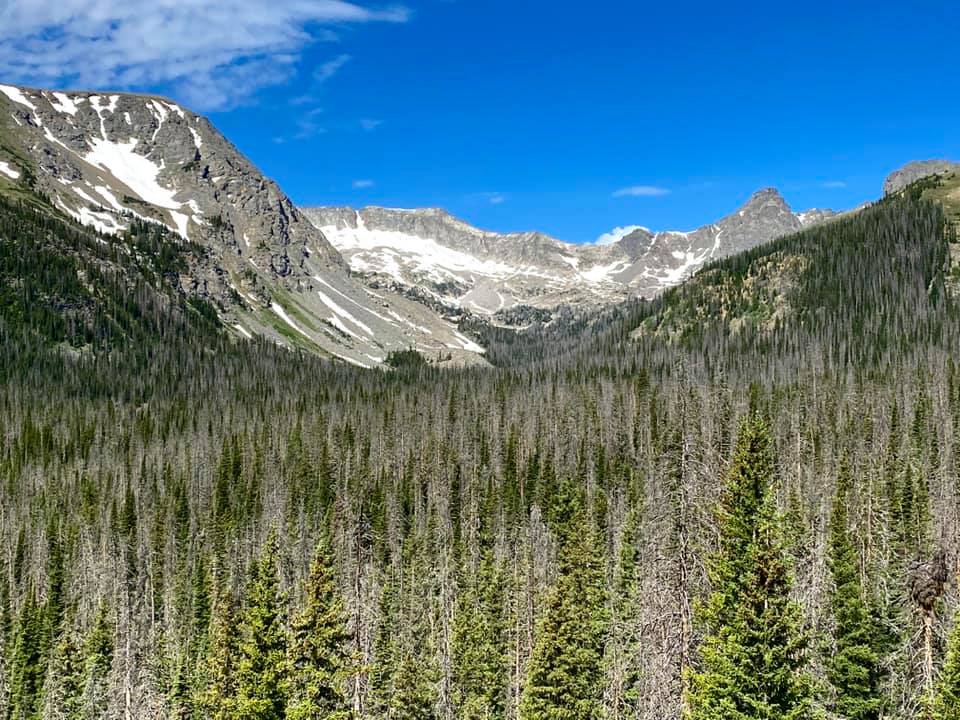
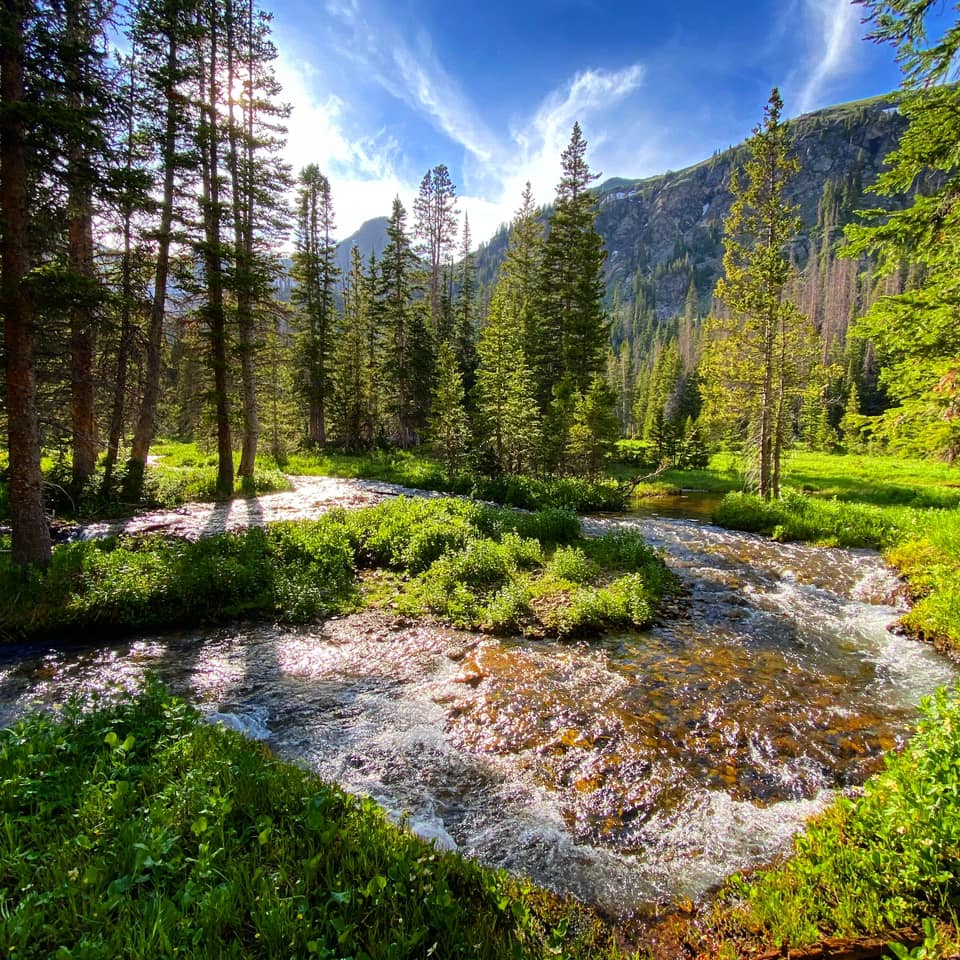
On the final day of our camping adventure in Rocky Mountain National Park, my son Greg and I awoke to a scene straight out of a postcard: a babbling stream framed by majestic mountains, wildflowers dancing in the morning breeze, and the warmth of the sun kissing our skin. With a tinge of sadness, we packed up our campsite, preparing to bid farewell to this idyllic wilderness.
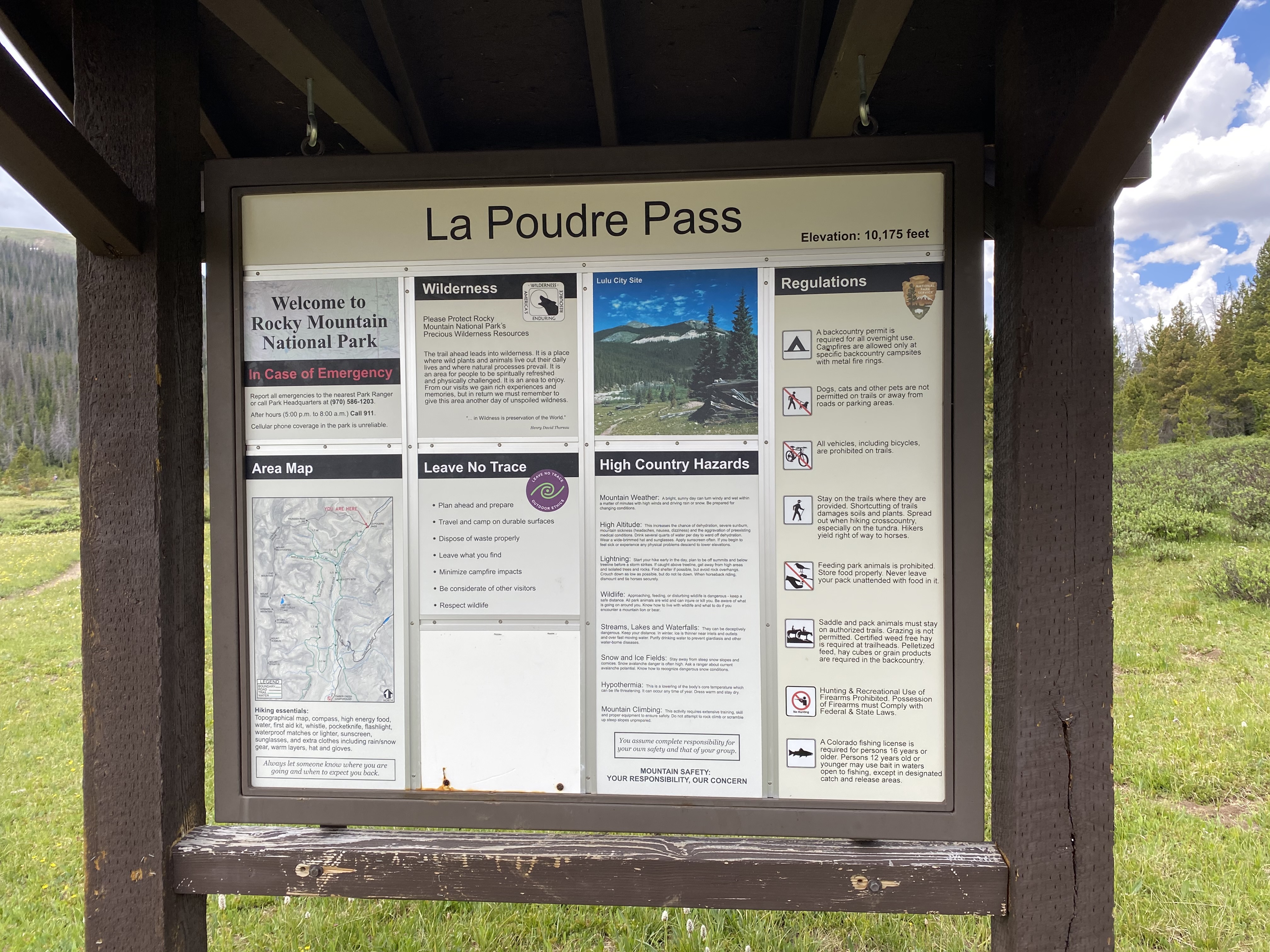
But before heading home, Greg and I embarked on one last adventure, determined to explore the headwaters of the mighty Colorado River. As we retraced our steps towards La Poudre Pass, I couldn’t help but marvel at how far we had journeyed, both physically and spiritually, since our arrival in the gulch.
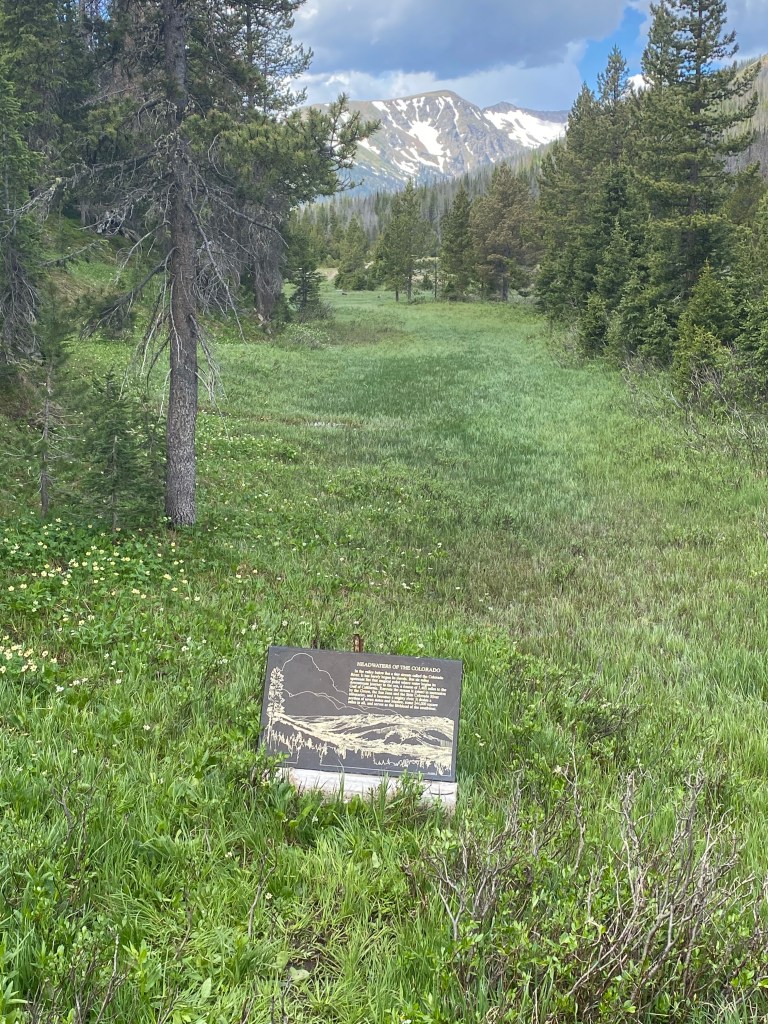
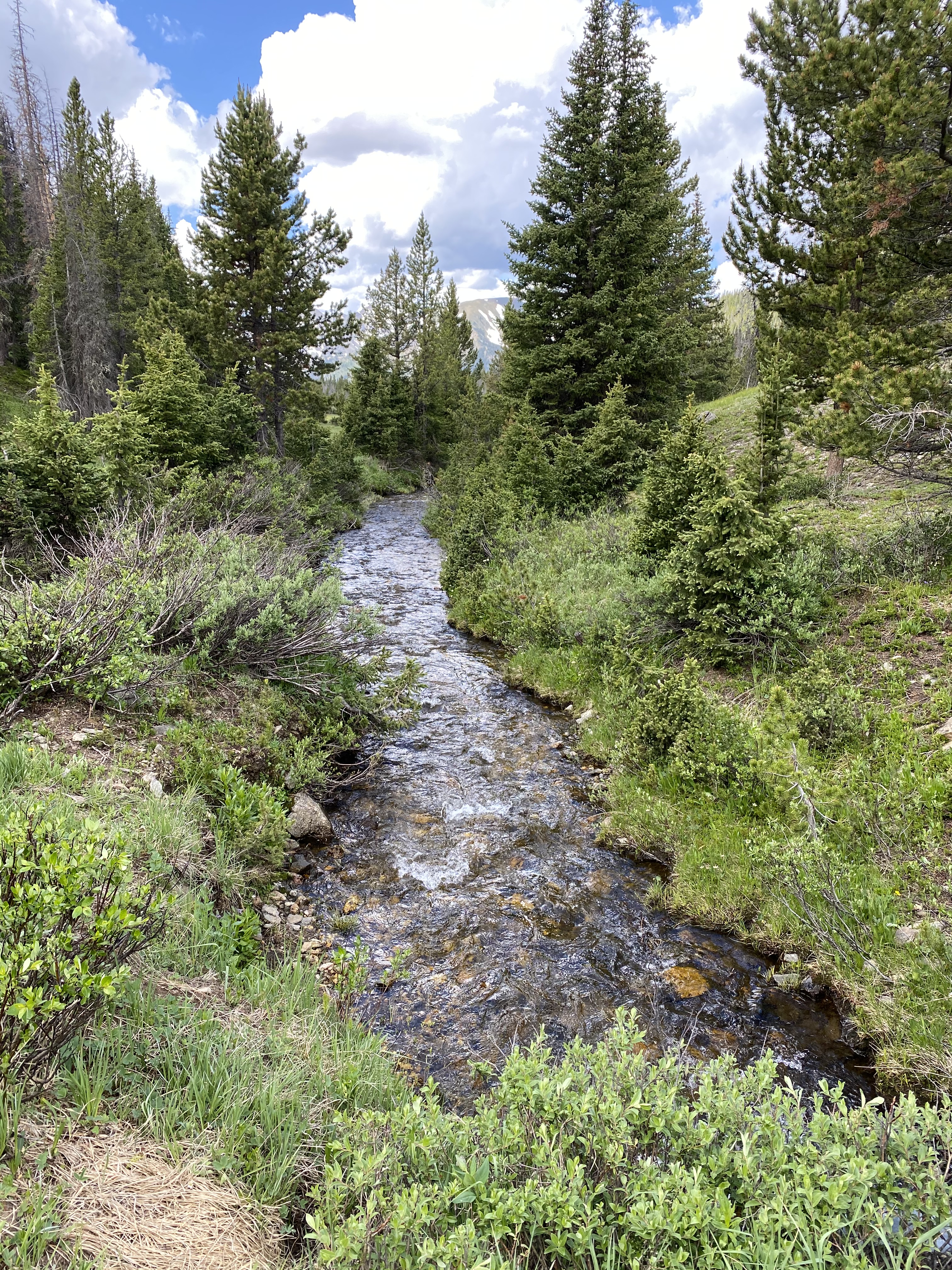
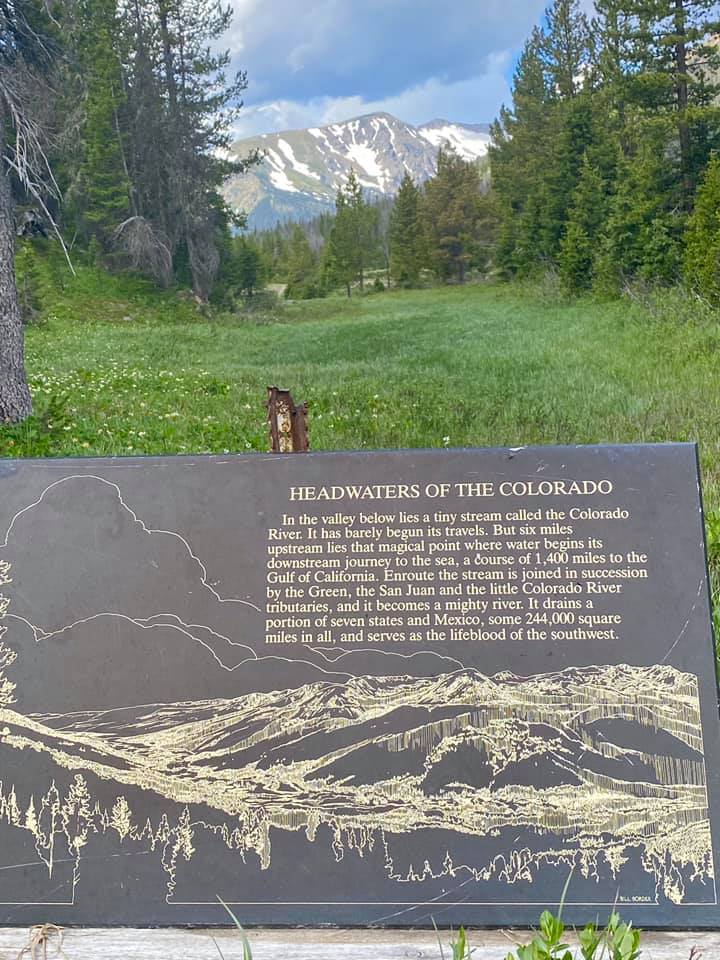
Our excitement grew as we approached the headwaters of the Colorado River, a humble beginning for a river that would carve its way through the heart of the American West. At La Poudre Pass, we witnessed the birth of this iconic waterway, as a small trickle of snowmelt emerged from a marshy meadow, marking the beginning of a 1,450-mile journey to the Gulf of California.
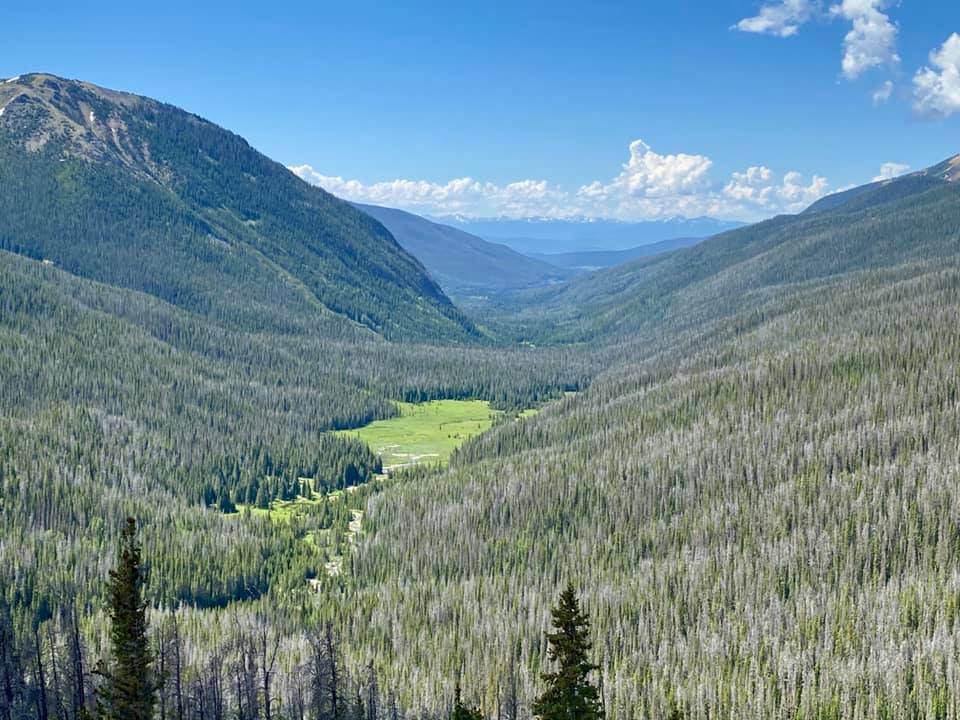
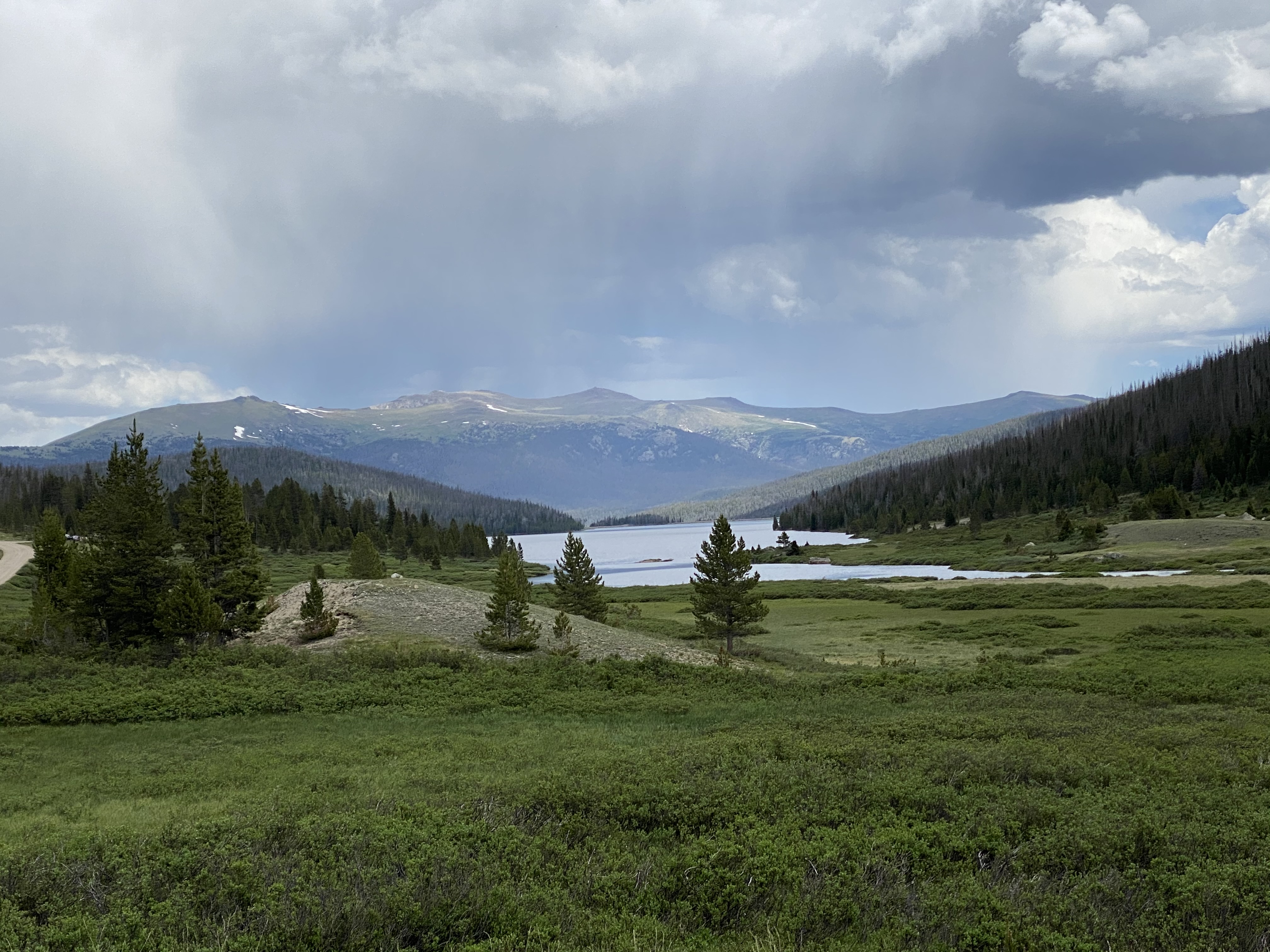
From its modest origins, the Colorado River gains strength and momentum, tumbling through verdant meadows and gathering tributaries along its path. In Rocky Mountain National Park’s Kawuneeche Valley, the stream flows into Shadow Mountain Lake and Lake Granby, swelling in size and significance with each passing mile.
As we stood in awe of this natural phenomenon, I couldn’t help but reflect on the immense power and beauty of the natural world. From a humble trickle to a mighty force shaping landscapes and livelihoods, the Colorado River serves as a testament to the enduring power of nature and the interconnectedness of all life.
As we bid farewell to the headwaters of the Colorado River and Rocky Mountain National Park, I carried with me a newfound appreciation for the delicate balance of our planet and a sense of gratitude for the opportunity to witness its wonders firsthand.





 Western Wanderlust Chronicles
Leave a comment