


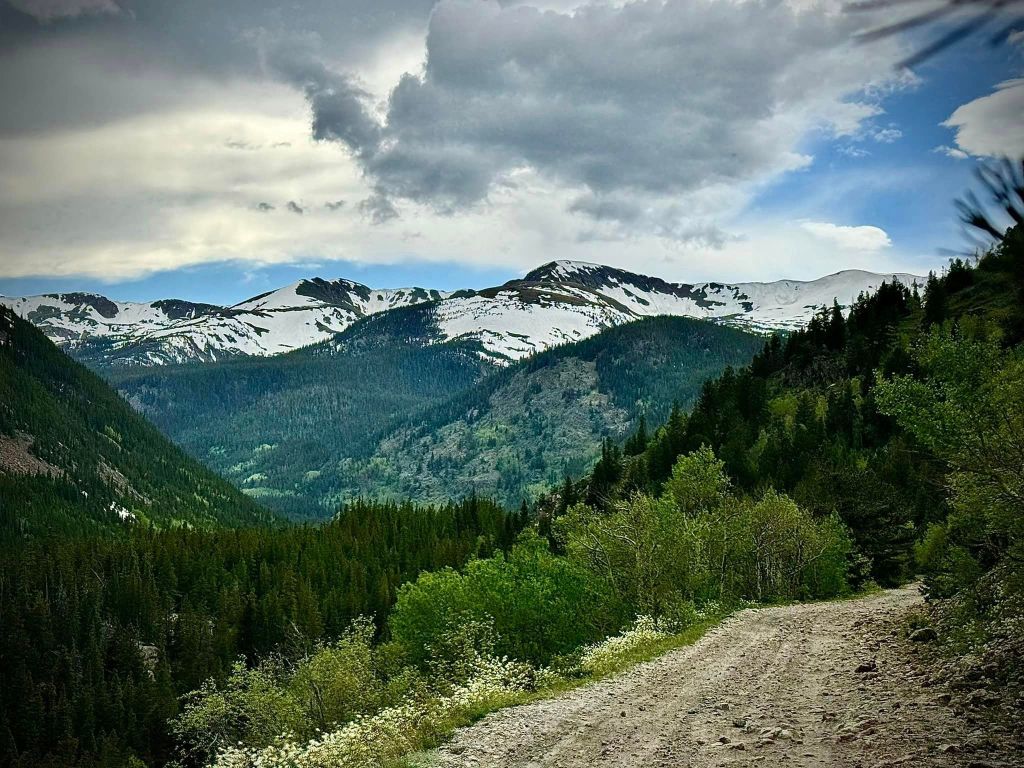
Driving Rollins Pass East road offers an adventurous journey through Colorado’s stunning Front Range, filled with breathtaking mountain views and remnants of the region’s rich railroad history. Also known as Corona Pass Road, this rugged path begins near Rollinsville and climbs to over 11,000 feet in elevation. The road is mostly gravel and dirt, with narrow, bumpy sections that are best suited for 4WD or high-clearance vehicles, though careful drivers can make the trip in standard vehicles under good weather conditions.
An Adventurous Journey on Rollins Pass East
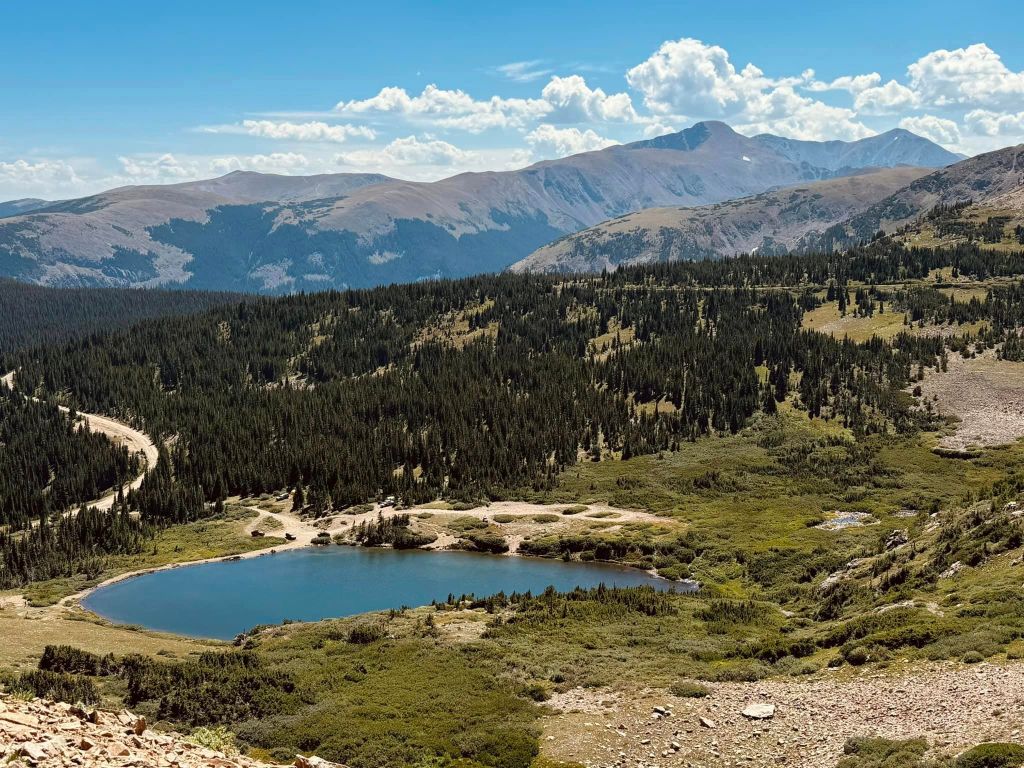
As you ascend Rollins Pass, you’re greeted by a mix of alpine meadows, towering mountain peaks, and dense forests of pine and aspen. The route offers a slow-paced experience, perfect for stopping to soak in the panoramic views and explore the historical landmarks scattered along the way. One such feature is the ruins of Corona Station, a key stop for trains crossing the Continental Divide over a century ago.
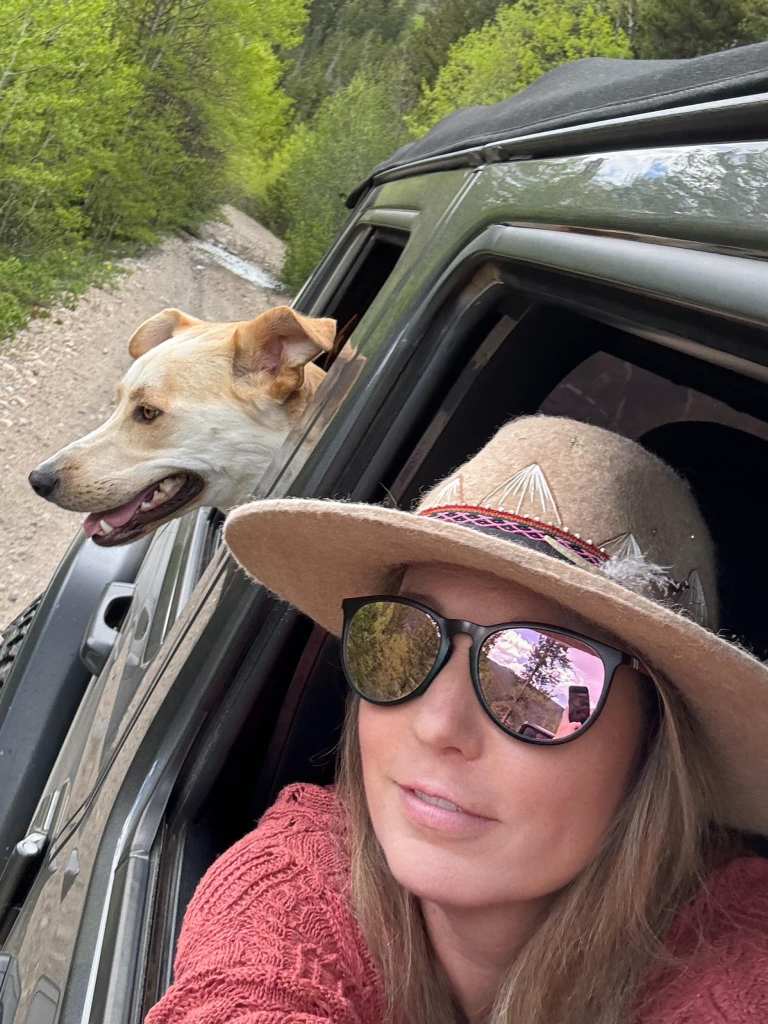
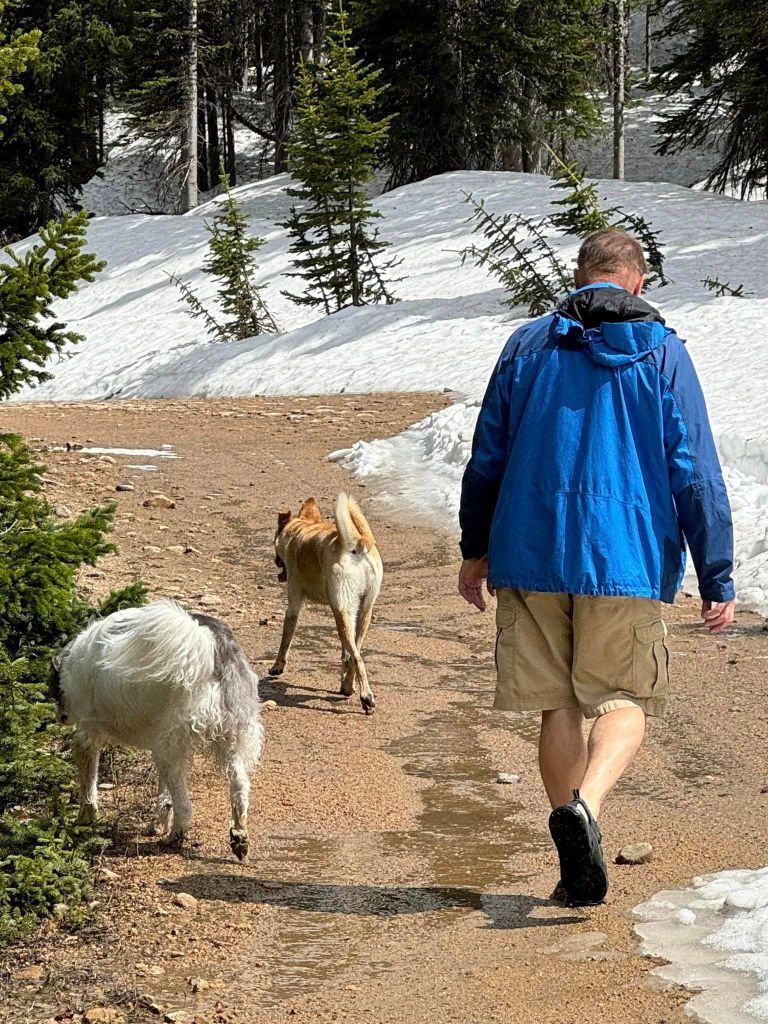
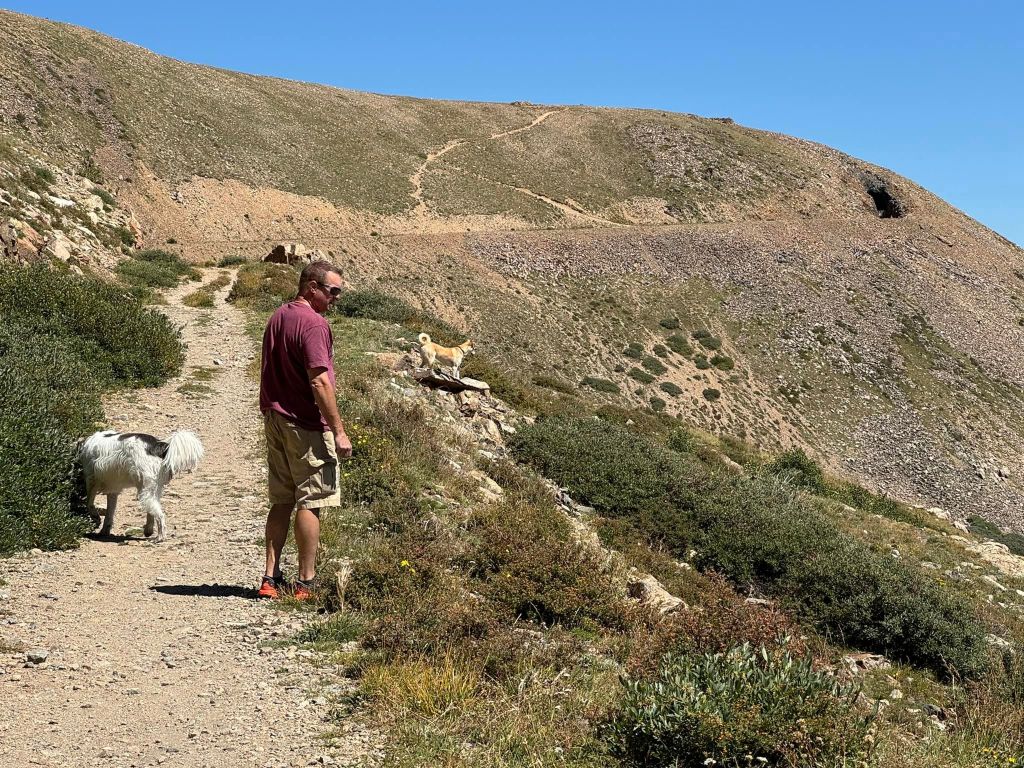
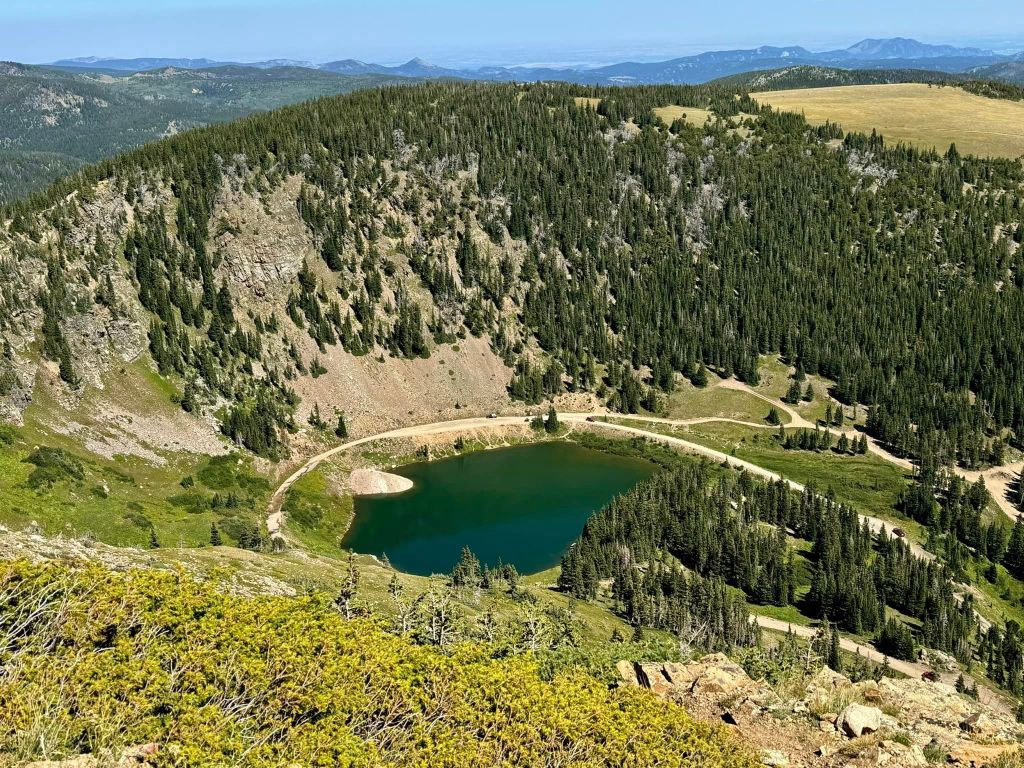
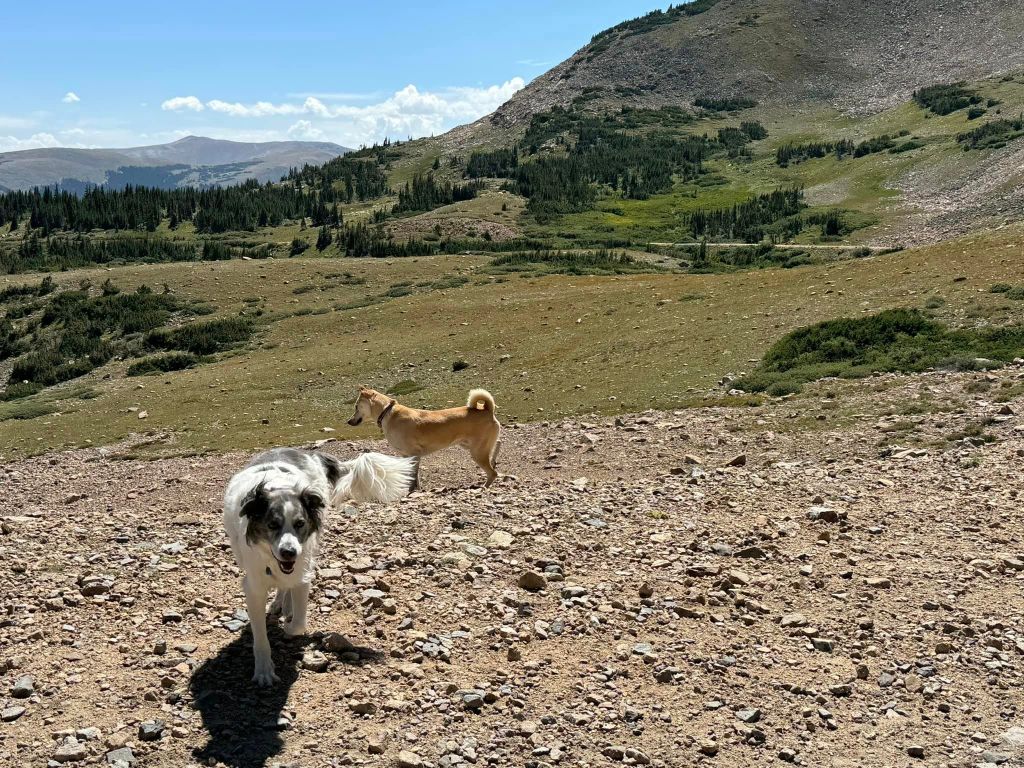
Bill and I made our first trip in early June, but the road was snow-covered and impassable near the summit. Despite the setback, we ventured as far as we could, and our dogs had a blast playing in the snow. Our second trip in late August, however, was a success, and we finally made it to the top to visit the iconic Needle’s Eye Tunnel. Along the way, we took in every bit of the beautiful scenery, from serene lakes to remnants of the old railroad.

Spring Trip: A Snowy Mountain Adventure
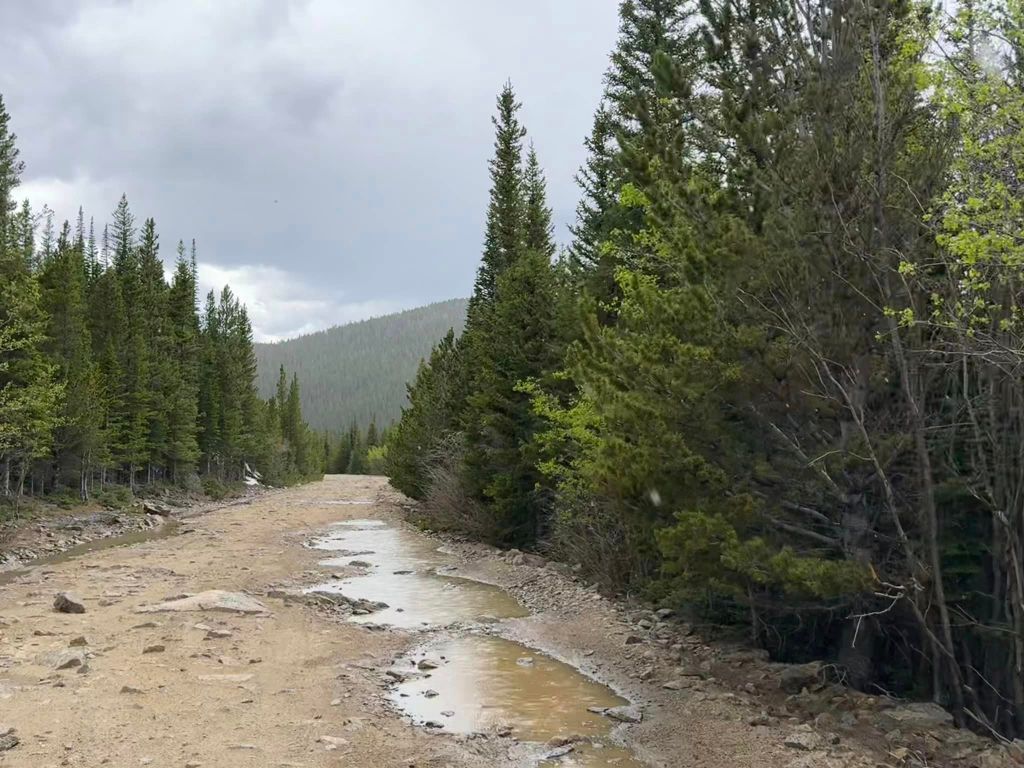
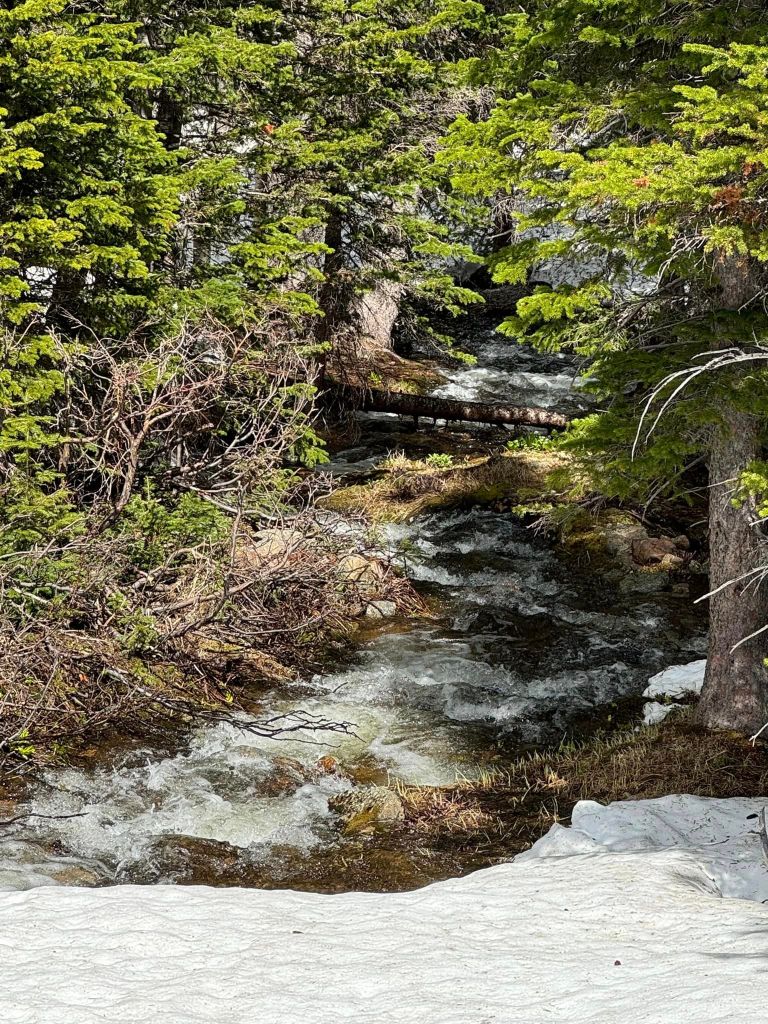
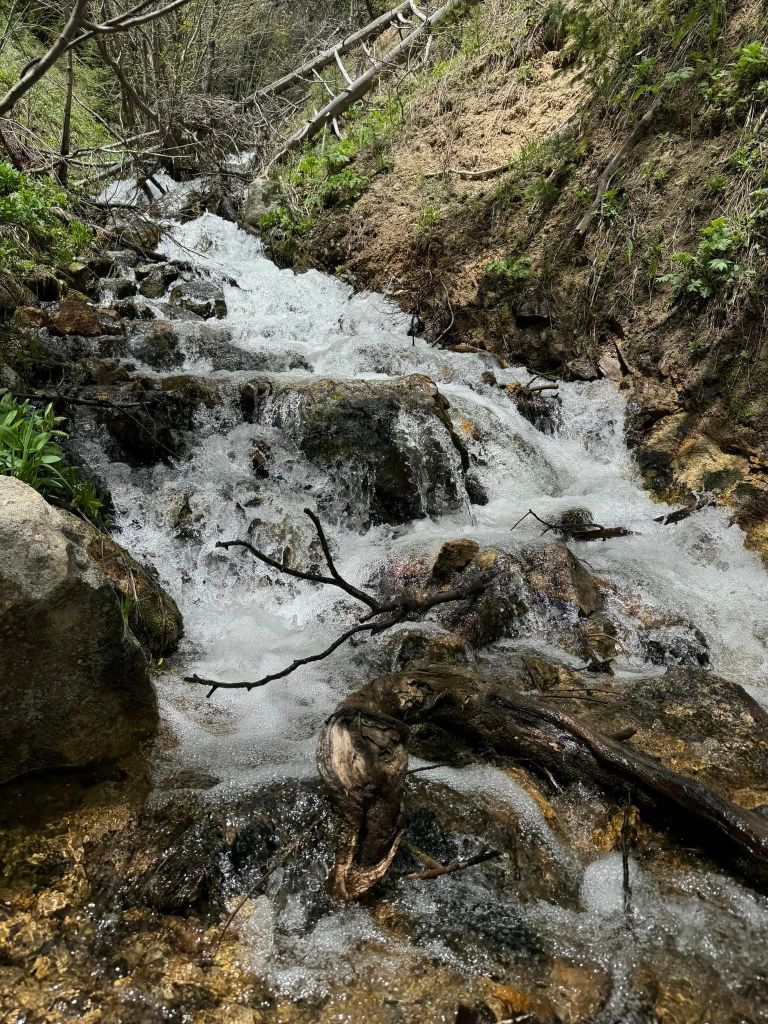
Bill and I decided to change things up and head for the mountains with the dogs in tow. The drive to Rollinsville was filled with anticipation, and as we climbed Rollins Pass, we found ourselves surrounded by gorgeous spring waterfalls, cascading down the mountain slopes. The dogs were in heaven, frolicking in the cooler air. At 10,430 feet, the temperature had dropped to a brisk 50 degrees, a welcome change from the warmer valley below.
Snow still covered much of the upper sections of the road, making it impossible to reach the summit. But the detour didn’t disappoint. The dogs loved every moment of rolling in the snow, their paws crunching over the icy surface. Lennon was especially content, lounging in snow patches as the sun peeked through the clouds. It was a refreshing day in the high country, leaving us eager to return and complete the journey once the snow had melted.






Summer Trip: Reaching the Needle’s Eye Tunnel
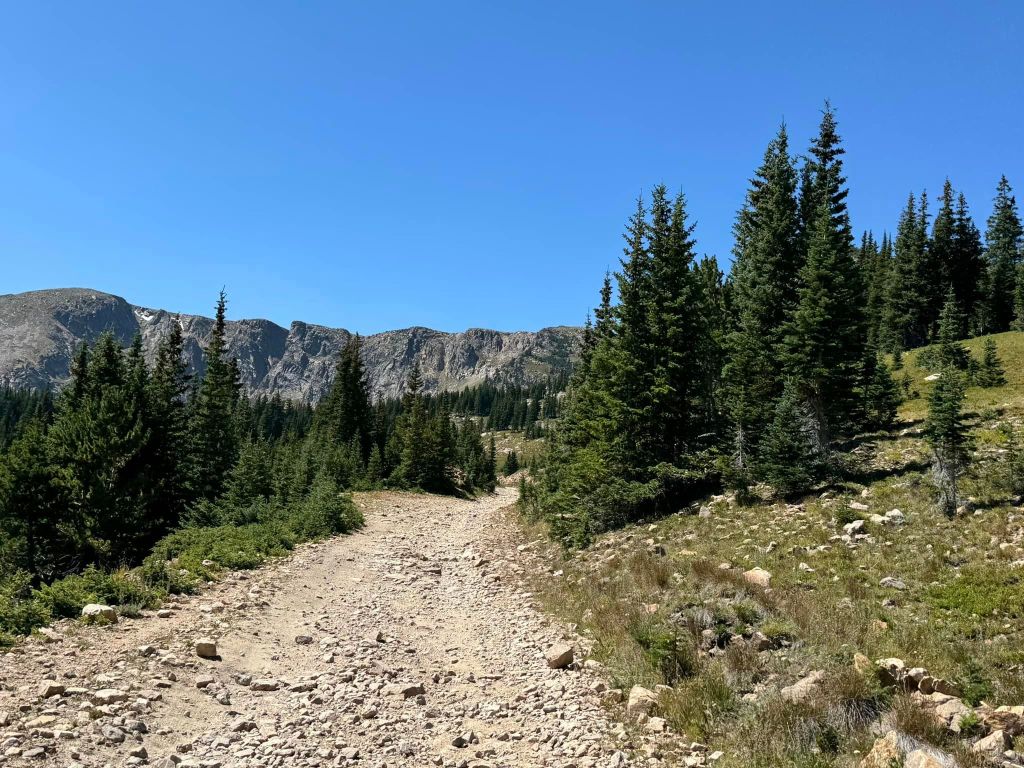
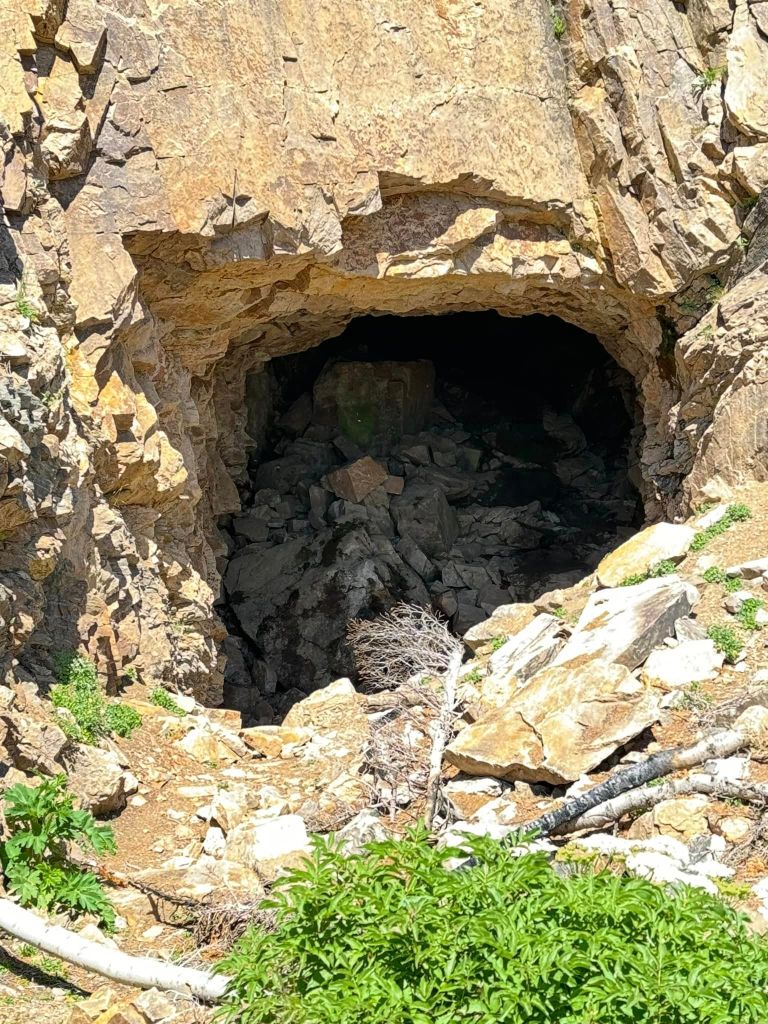
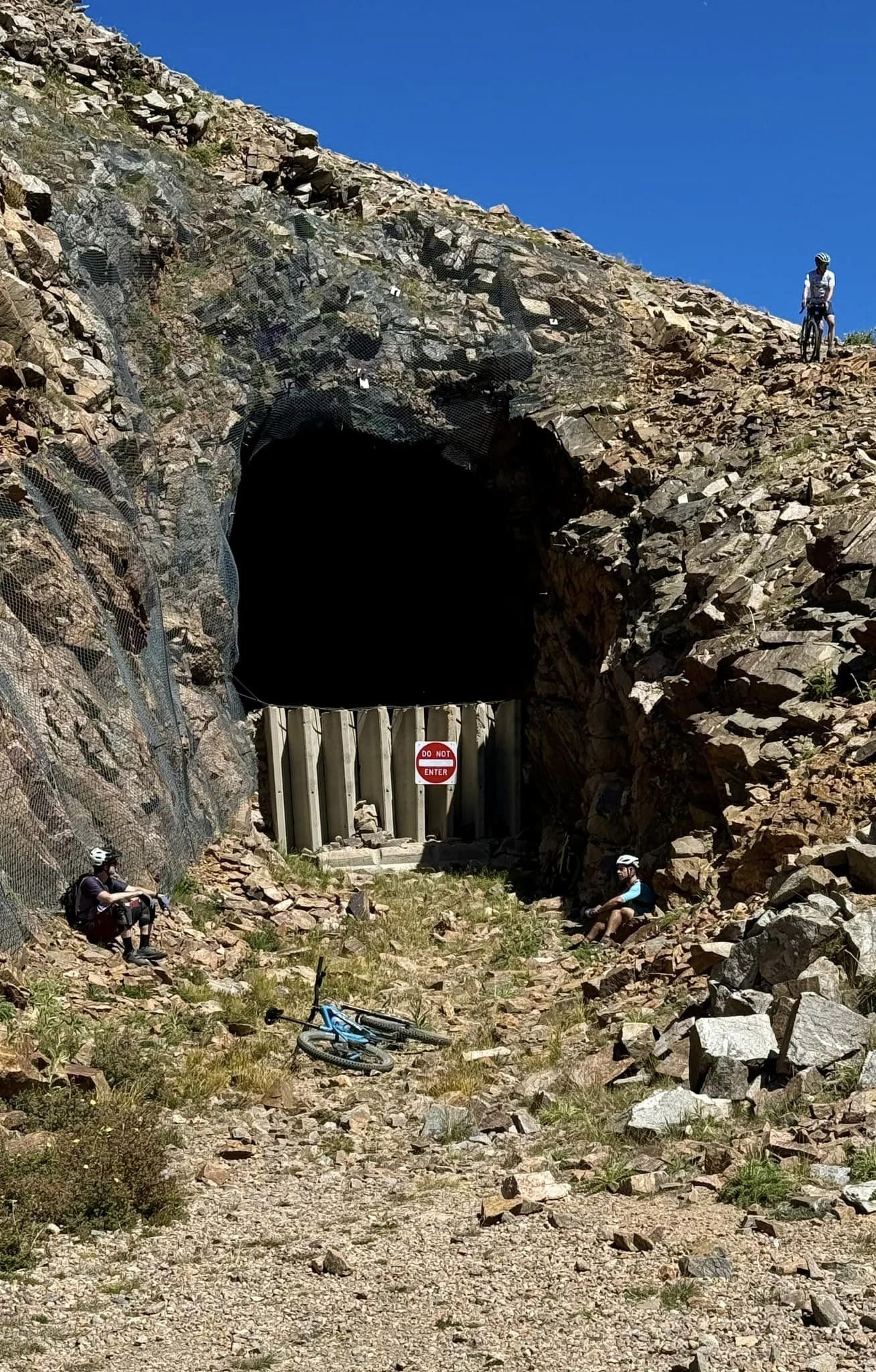
By late August, the conditions had improved, and we were back on Rollins Pass East road, this time under clear skies. The snow was long gone, and we were able to make it all the way to the summit, where we explored the historic Needle’s Eye Tunnel. Carved through solid rock, this 75-foot tunnel was once a critical passage for trains crossing the Continental Divide. Though closed to rail traffic in the 1920s due to dangerous rockfalls, today it serves as a point of interest for hikers and off-road adventurers.
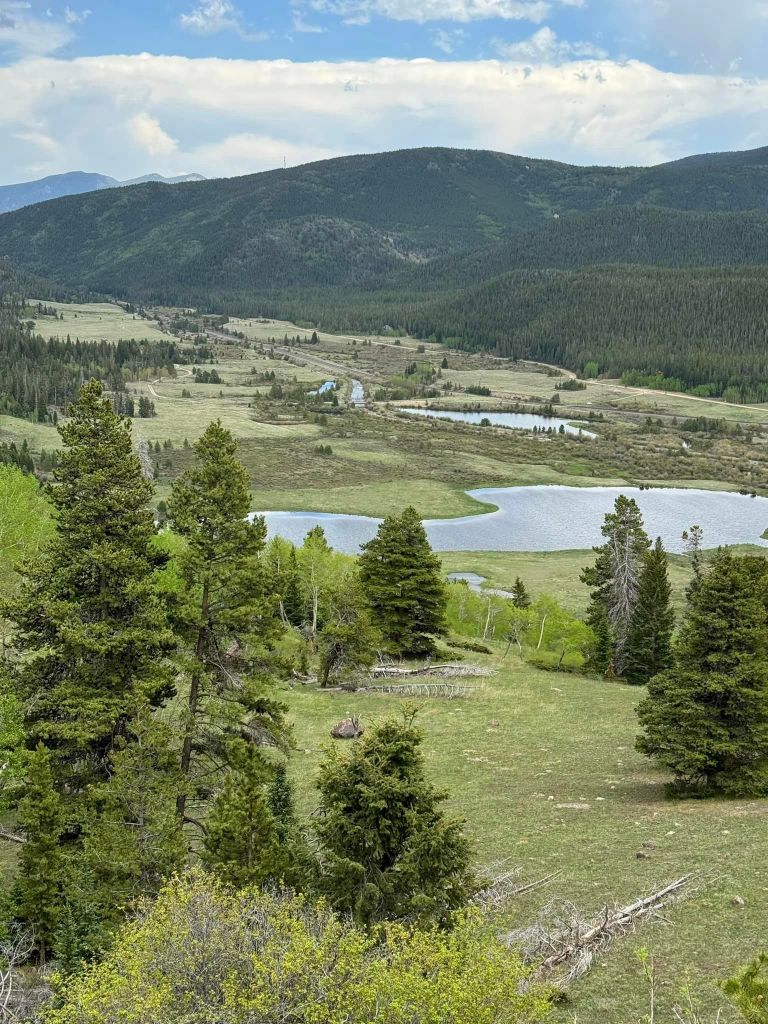
The hike revealed stunning lakes like Jenny and Yankee Doodle, which mirrored the surrounding peaks in their still waters. Marmots scurried across the rocks, much to the fascination of Dasher, one of our dogs. The cool alpine breeze was welcoming as we made our way back, with the dogs thoroughly worn out after a full day of adventure. Autumn was starting to make its presence known, with hints of yellow beginning to creep into the aspen leaves. By the time we returned to the car, we had two sleepy, content pups and an unforgettable day behind us.






The Rich Railroad History of Rollins Pass
Rollins Pass has a fascinating history tied to Colorado’s early railroad ambitions. In the early 1900s, David Moffat, a Denver businessman, envisioned a rail line that would cross the Continental Divide, connecting Denver to Salt Lake City. The project began in 1902, and by 1904, the railroad over Rollins Pass, also known as the Moffat Road, was completed.
This railroad was a marvel of early 20th-century engineering but came with significant challenges. The steep grades, high altitudes, and harsh weather made maintaining the line difficult, especially in winter. Avalanches, snowdrifts, and rockfalls were constant threats, and workers relied on rotary snowplows to keep the line open.
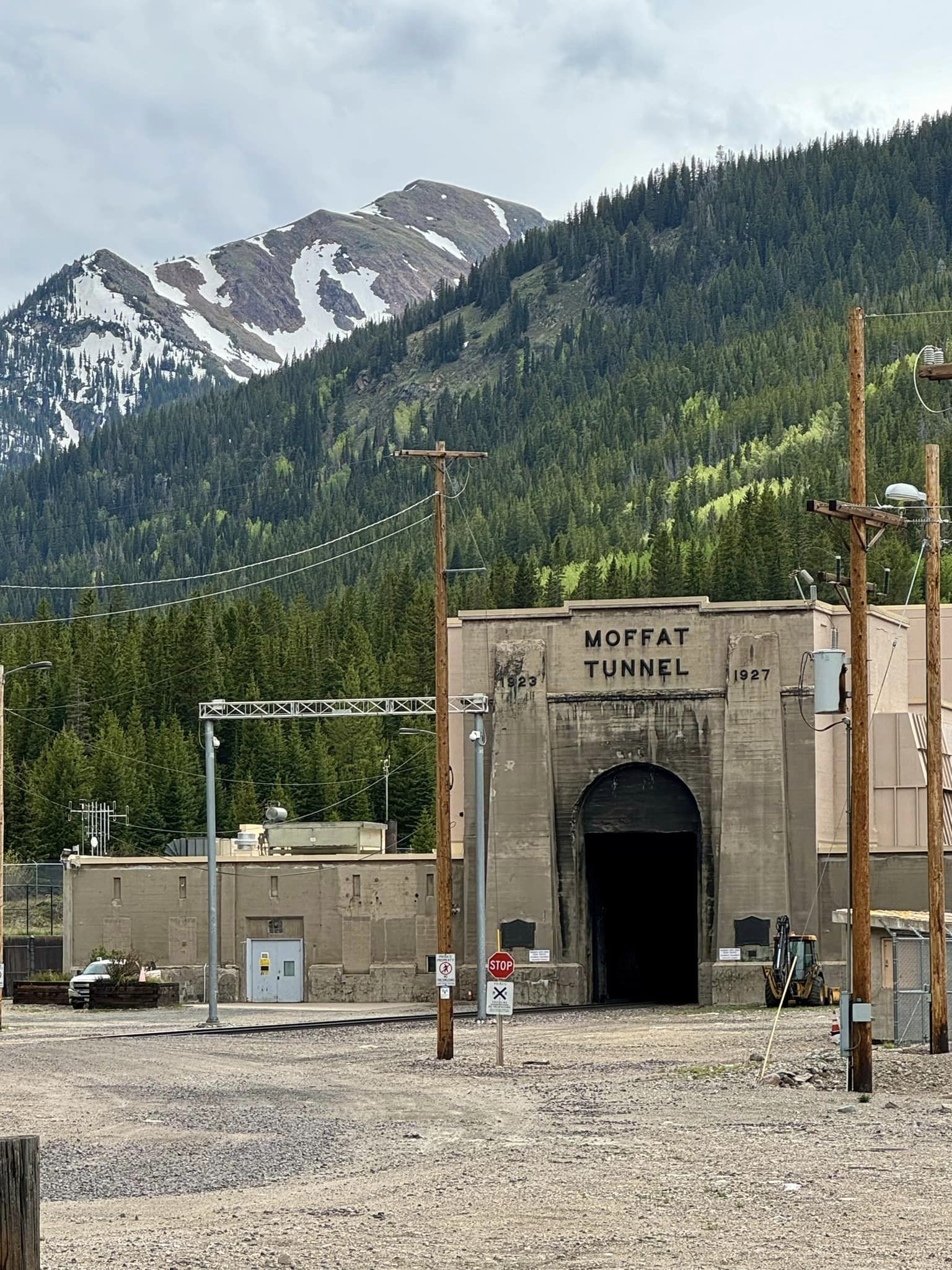
Despite these challenges, Moffat’s vision didn’t stop at Rollins Pass. By 1928, the 6.2-mile-long Moffat Tunnel, which passed under the Continental Divide, was completed. This tunnel replaced the difficult and dangerous route over Rollins Pass, providing a safer, year-round rail connection.
With the Moffat Tunnel’s opening, the Rollins Pass railroad route was abandoned, but its history remains a vital chapter in Colorado’s transportation development. Today, the old trestles, tunnels, and remnants of the railway attract off-road enthusiasts and history buffs, keeping the spirit of adventure alive in the Rockies.
Legacy of Rollins Pass and Needle’s Eye Tunnel
The Needle’s Eye Tunnel, though closed to vehicles due to instability, remains a striking landmark of the region’s rich railroad past. In the 1990s, the tunnel was closed after rockfalls made it too dangerous for vehicle traffic. While there have been efforts to restore it, the cost and environmental concerns have left the project in limbo.
The tunnel, along with the rest of Rollins Pass, stands as a testament to the bold ambition and engineering feats of the early 20th century. Even today, it continues to captivate those who seek adventure and history in Colorado’s mountains.
Explore More: Our West Side Adventure
To see our adventure on the west side of Rollins Pass, be sure to check out our earlier trip at Off-Road Adventure to Rollins Pass: A Day of Exploration and History. On that journey, we explored the west side of the pass, encountering even more fascinating historical remnants and jaw-dropping scenery. It’s a great companion read if you’re interested in seeing both sides of this stunning and historic route!
Have you ventured up Rollins Pass? Let us know about your experience or any tips you have for future adventurers in the comments below!



 Western Wanderlust Chronicles
Leave a comment