


Why Care About Leave No Trace?
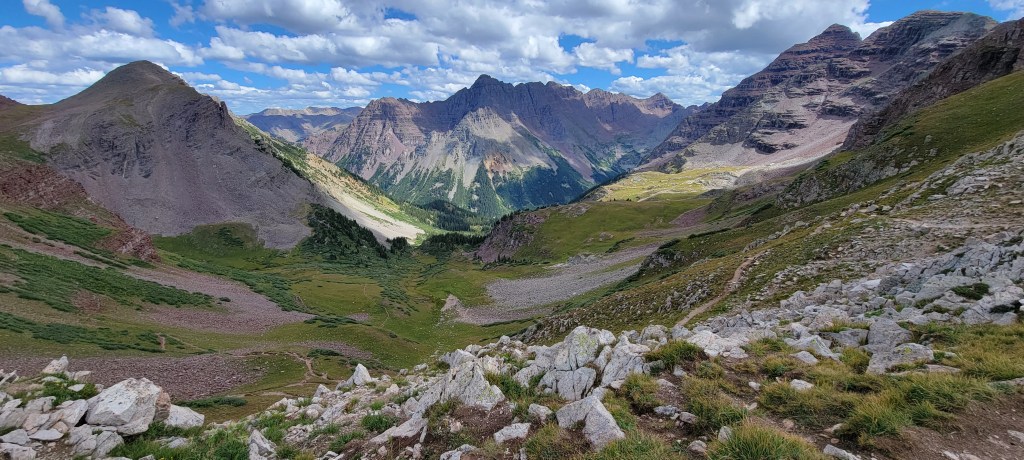
Whether it’s a quiet alpine lake, a sunlit canyon, or a windswept summit, nature gives us so much. As adventurers, it’s our job to give something back—by doing our part to preserve the wild beauty we explore. That’s where the Leave No Trace principles come in.
Leave No Trace (LNT) isn’t just about picking up your trash—it’s a whole mindset designed to minimize our impact on the natural world. Developed by the Leave No Trace Center for Outdoor Ethics, this set of seven principles helps guide how we prepare, travel, and behave in nature.
Here’s a breakdown of what each principle means and how to put it into practice:

1. Plan Ahead and Prepare
Good planning reduces your chances of getting lost, damaging fragile areas, or getting caught in unsafe conditions.
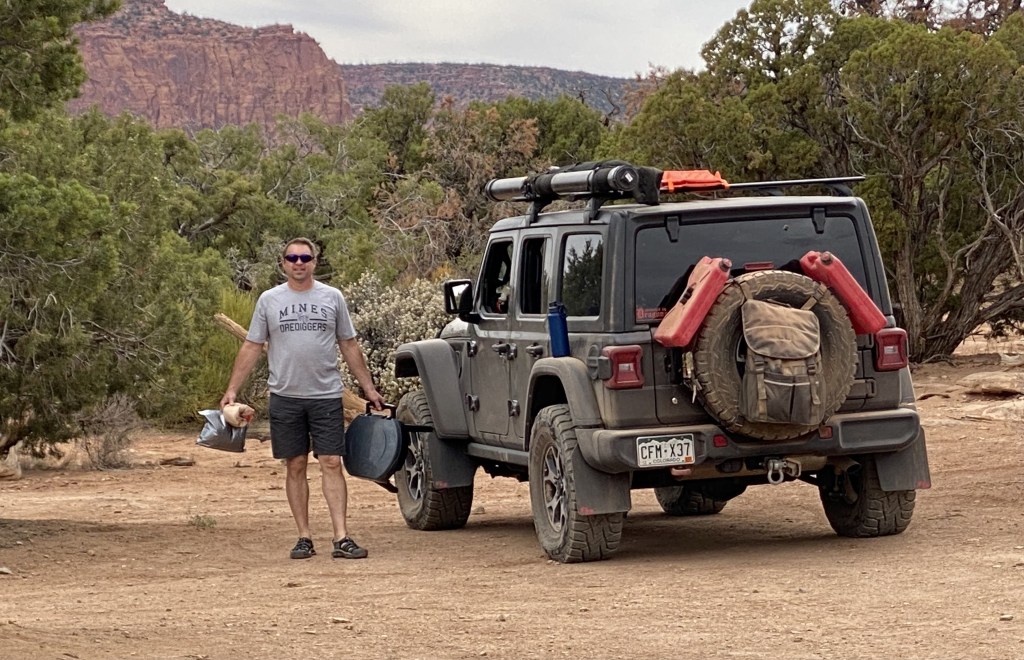
- Know the regulations and special concerns for the area you’ll visit. Some locations—like narrow canyons or high-use desert areas—require you to pack out human waste using wag bags. Plan ahead and bring what you need. The same goes for pet waste: don’t assume it can be left behind, even in remote areas.
- Prepare for extreme weather, hazards, and emergencies.
- Schedule your trip to avoid times of high use.
- Visit in small groups when possible. Consider splitting larger groups into smaller groups.
- Repackage food to minimize waste.
- Use a map and compass or GPS to eliminate the use of marking paint, rock cairns, or flagging.
2. Travel and Camp on Durable Surfaces
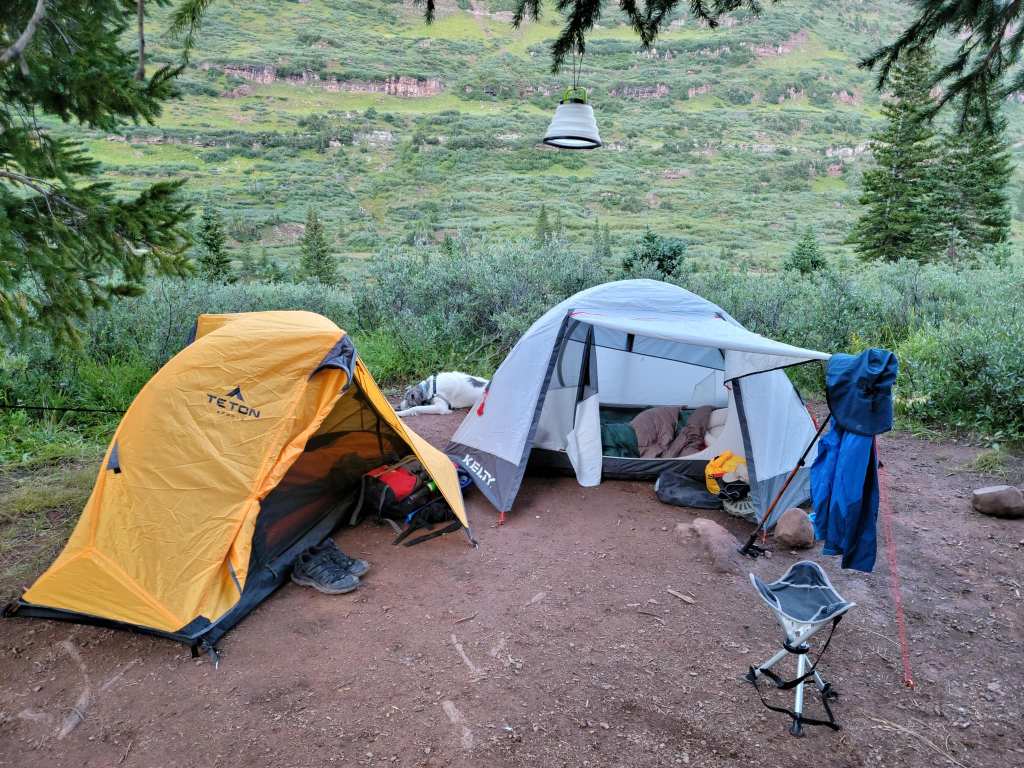
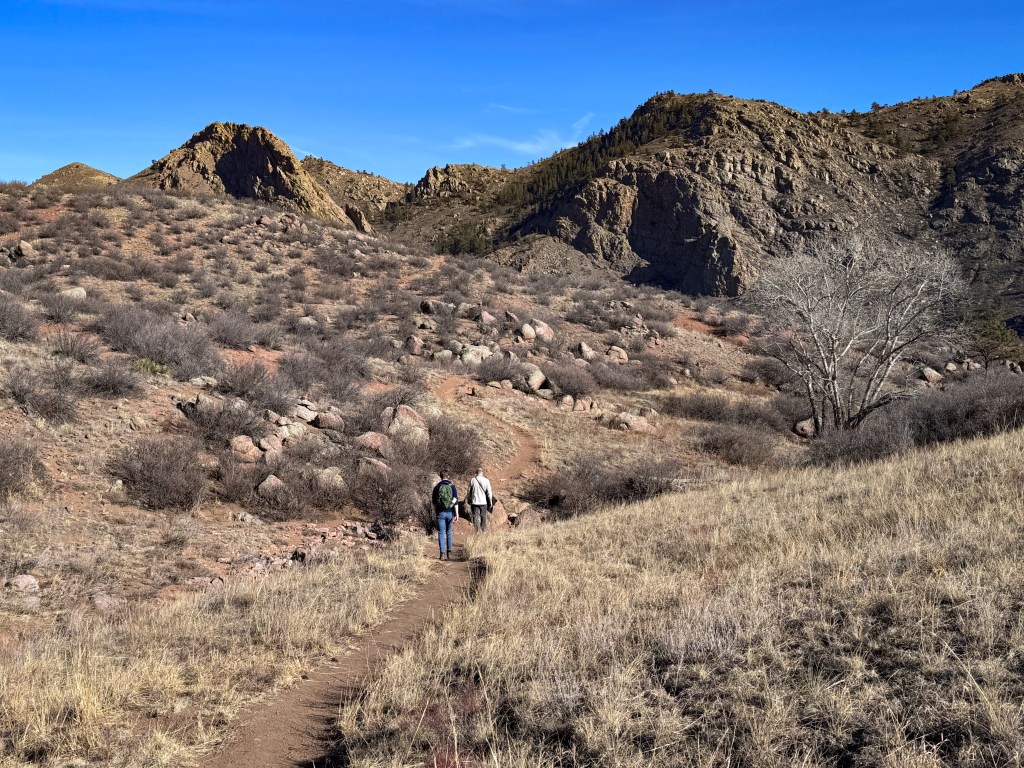
Stick to established trails and campsites whenever possible to protect fragile ecosystems.
- Durable surfaces include maintained trails and designated campsites, as well as rock, gravel, sand, dry grasses, or snow.
- Avoid trampling vegetation or creating new paths.
- Camp at least 200 feet from lakes and streams to protect water sources.
- In pristine areas, disperse use to prevent creating new campsites or trails.
3. Dispose of Waste Properly
“Pack it in, pack it out” is the golden rule.
- Carry out all trash, leftover food, and litter.
- Utilize toilet facilities whenever possible. Otherwise, deposit solid human waste in catholes dug 6 to 8 inches deep, at least 200 feet from water, camp, and trails.
- In areas where catholes are not allowed—such as fragile alpine zones, narrow canyons, or some desert environments—use a wag bag (waste alleviation and gelling bag) and pack it out.
- Pack out used toilet paper—or use natural alternatives like smooth stones or snow.
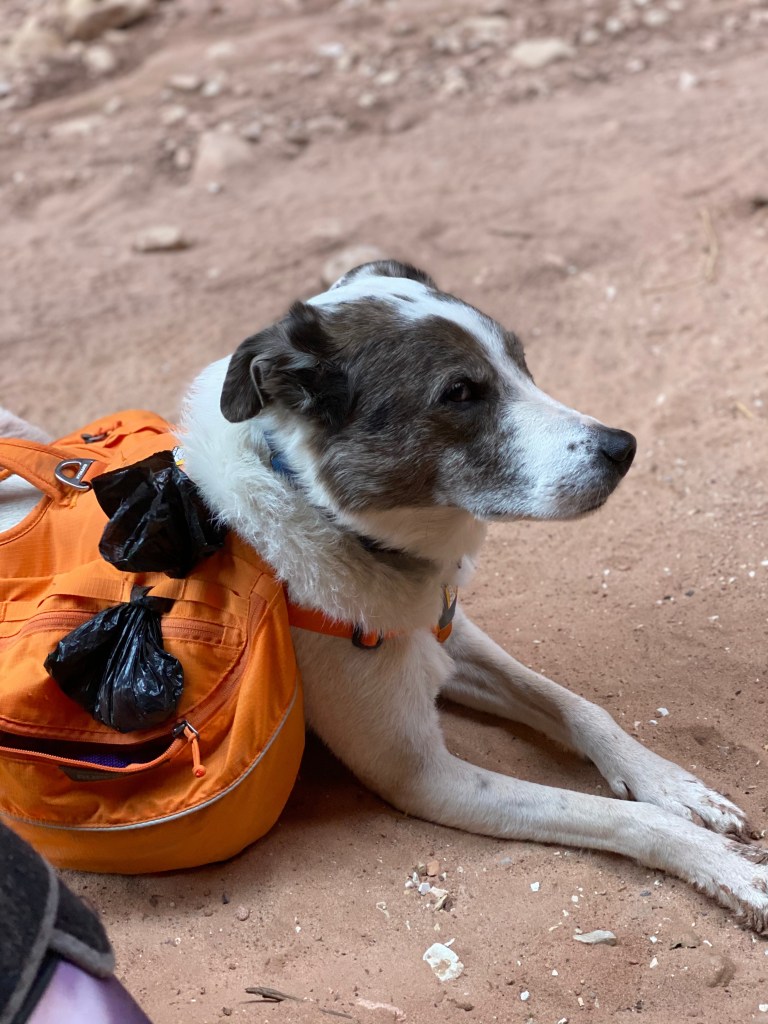
- Don’t forget your pets! Pet waste should always be picked up and packed out, even in remote areas. It’s not natural to the environment and can pollute water sources and spread disease.

4. Leave What You Find
Nature has a story to tell—let it speak for itself.
- Preserve the past: examine, photograph, but do not touch or disturb cultural or historic structures and artifacts.
- Don’t take natural souvenirs like rocks, plants, antlers, or flowers. Leaving them ensures others can enjoy the same sense of discovery.
- Avoid building cairns, digging trenches, or altering the landscape. Even small changes can lead to long-term impact.
- Do not carve, scratch, or write on rocks, trees, or canyon walls. Graffiti—no matter how small—permanently damages the natural environment and disrespects both nature and future visitors.
- Let wild places look wild. The best mementos are photos, stories, and memories—not objects removed from their place.
5. Minimize Campfire Impact
Campfires can leave long-lasting scars on the land—sometimes it’s better to skip them entirely.
- Use a camp stove for cooking; they leave no trace and work in all weather.
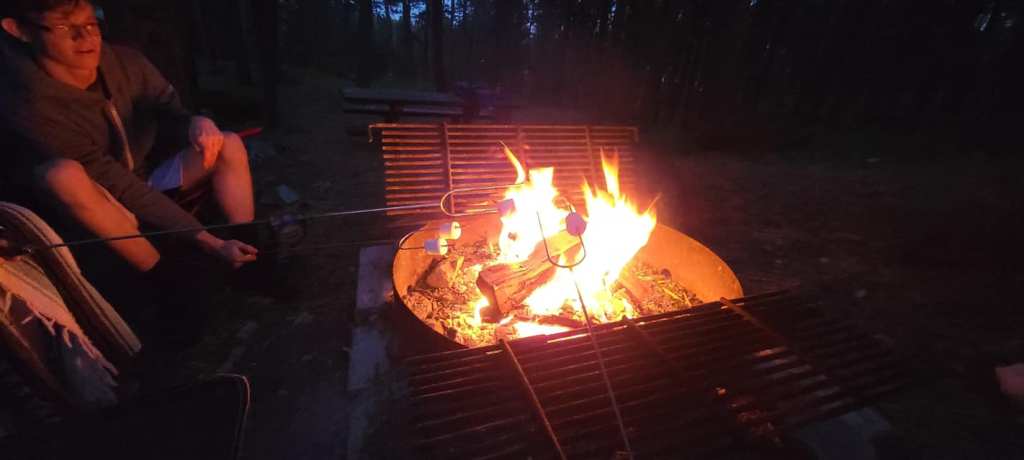
- If fires are allowed, use established fire rings, fire pans, or mound fires.
- Keep fires small and burn only sticks found on the ground that can be broken by hand.
- Put out campfires completely—until the ashes are cool to the touch. Never leave a fire unattended.
- Consider skipping the fire altogether in fragile environments or during high fire danger.

6. Respect Wildlife
Our presence can stress animals, even if we mean no harm.
- Observe wildlife from a distance. Do not follow or approach them.
- Feeding wildlife damages their health, alters natural behaviors, habituates them to humans, and exposes them to predators and other dangers.
- Store food and trash securely to avoid attracting animals.
7. Be Considerate of Other Visitors
We’re all out here to enjoy nature—let’s make it better for each other.
- Respect other visitors and protect the quality of their experience.
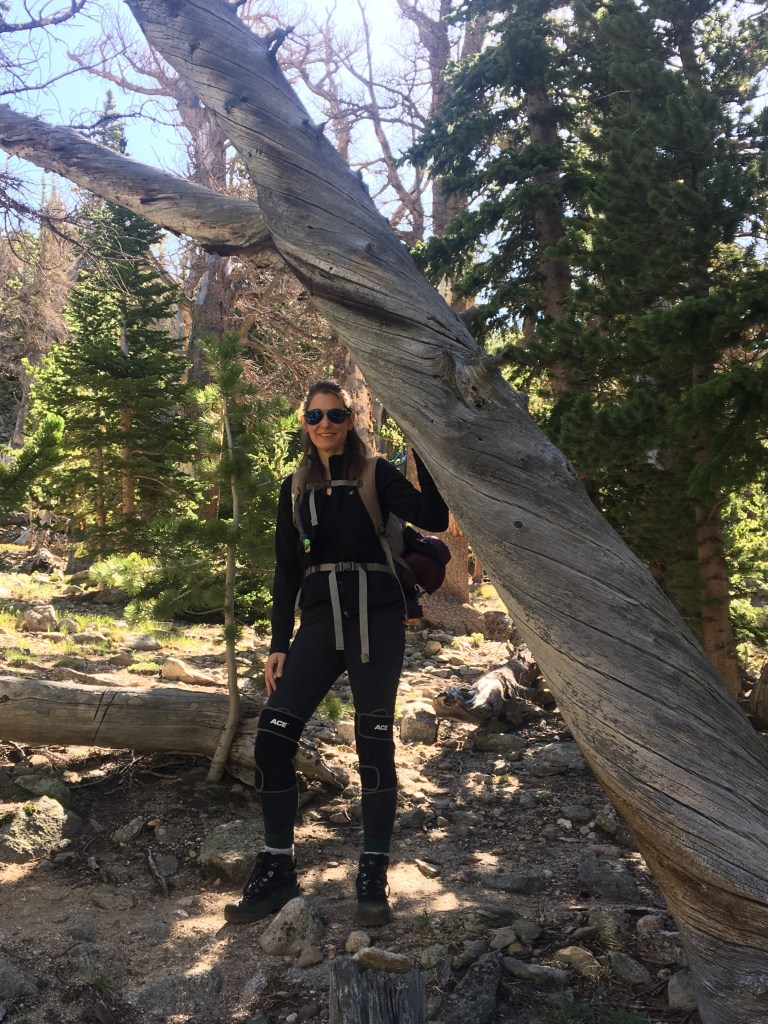
- Be courteous. Yield to other users on the trail. Uphill hikers have the right of way.
- Keep noise levels down and let natural sounds prevail.
- Give others space and respect their solitude, especially in quieter or more remote areas.
- Avoid blocking trails or viewpoints when taking breaks or photos.
Final Thoughts
Leave No Trace isn’t about being perfect—it’s about being aware. Every small action adds up, and the more we practice these principles, the more likely we are to preserve the places we love for future generations of explorers.
So next time you hit the trail, paddle down a river, or set up camp under the stars, remember:
How we adventure matters.
Wild ready, always.



 Western Wanderlust Chronicles
Leave a comment