


Whether you crave off-grid solitude or a cozy setup at a developed campground, your camping style is as unique as you are. From sleeping under the stars in a hammock to towing a travel trailer packed with creature comforts, there’s no one “right” way to camp—just the one that fits your adventure and comfort level. While there are countless ways to get outside and sleep under the stars, this post focuses on the types of camping that Bill and I have personally done and learned from over the years. These are our go-to setups based on real-world experience, tested on everything from rocky trails to beach sand, quiet forests to desert mesas.
Why We Love Camping
Camping connects us to nature, slows us down, and gives us a chance to unplug and reconnect—with ourselves, each other, and the places we explore. Whether it’s the simplicity of a hammock by a creek or the comfort of curling up in our trailer after a long trail day, each setup has created unforgettable memories. For us, camping is more than just where we sleep—it’s how we experience the wild.
1. Tent Camping
Tent camping is one of the most classic and versatile ways to enjoy the outdoors. Whether you’re setting up at a developed campground or trekking deep into the backcountry, tents offer a simple, lightweight solution that lets you stay close to nature. Packed tents take up little space and are easy to carry, especially for hikers or those with limited vehicle access. Plus, they allow you to reach places that larger rigs simply can’t—remote alpine lakes, quiet forest clearings, or hard-to-reach canyons.
Backpacking Tents
Designed for lightness and durability, these compact tents are perfect for multi-day hikes or remote camping spots. They may be small, but they get the job done when every ounce counts.
Our Experience:
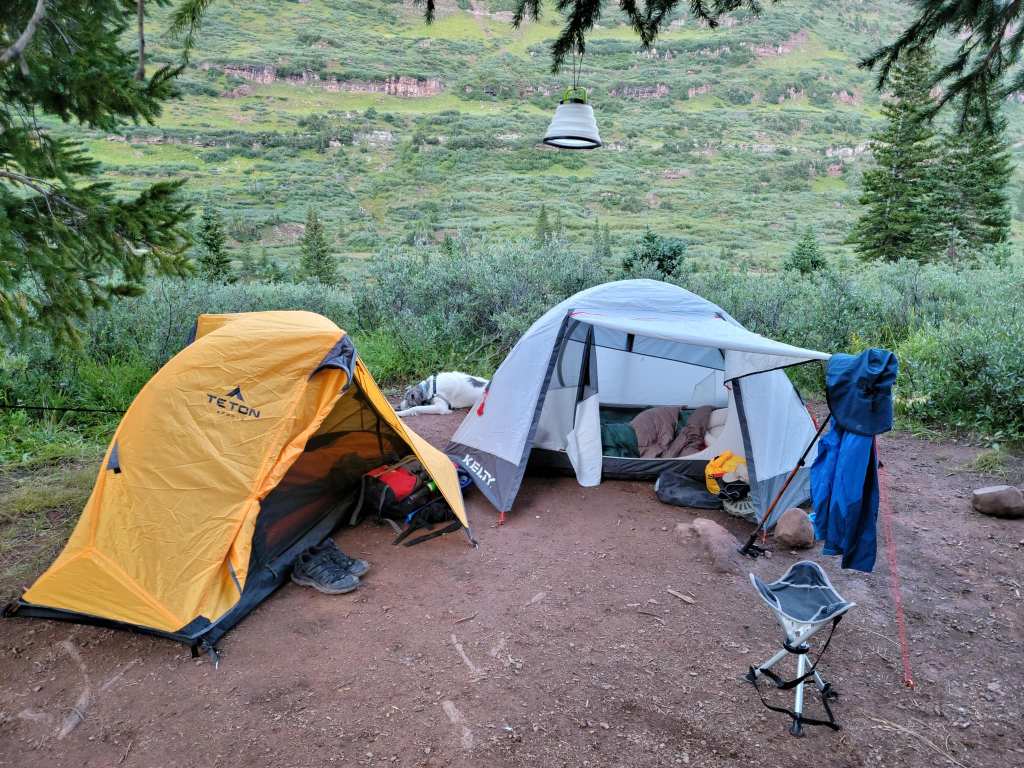
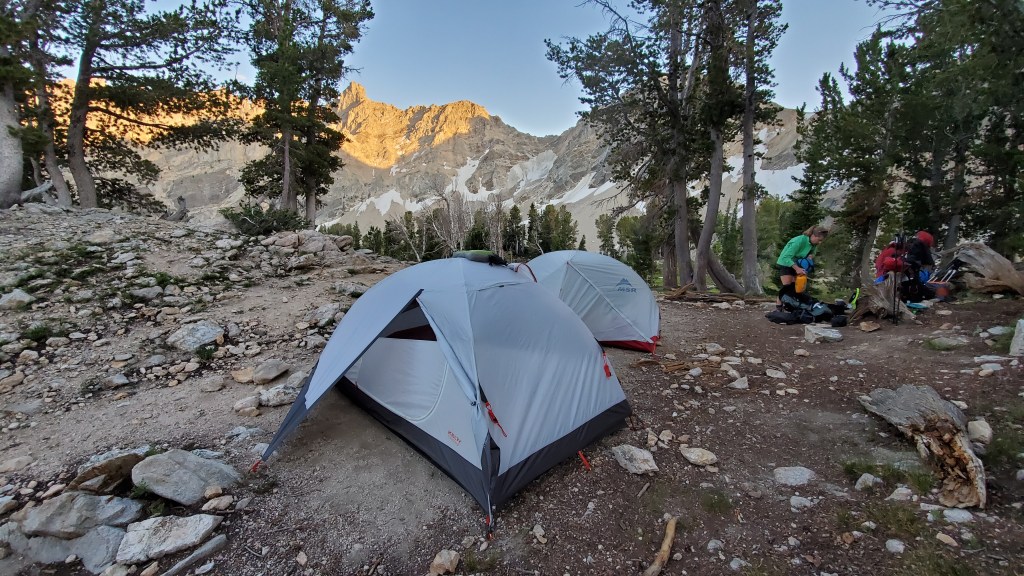
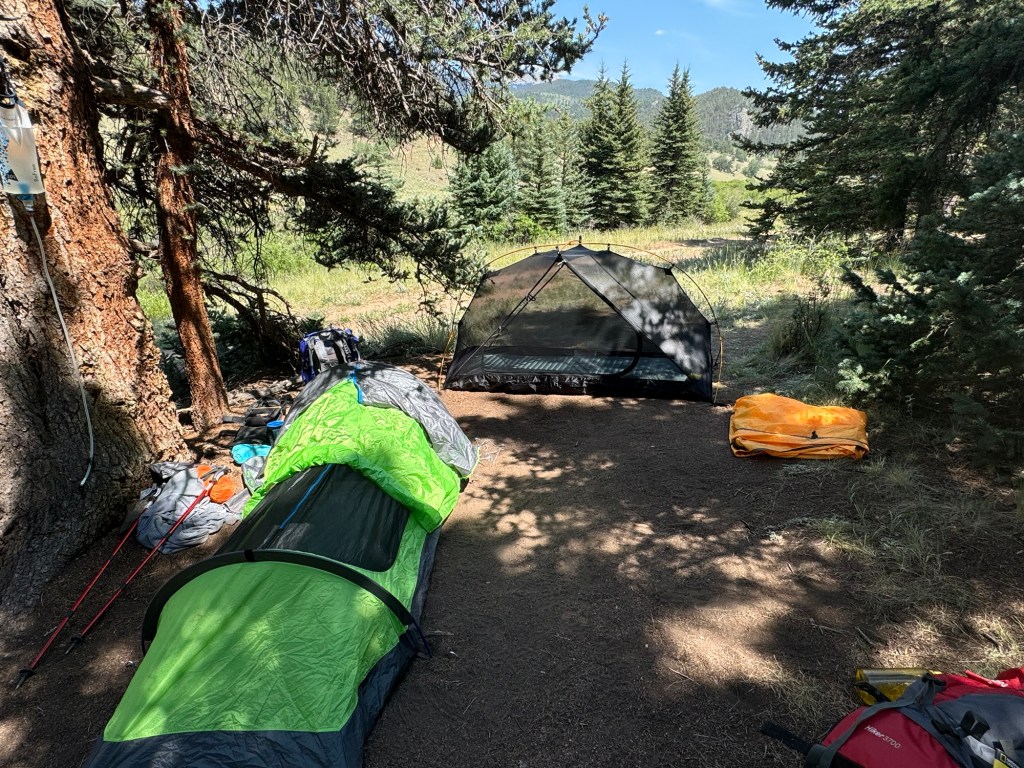
Bill and I still use our backpacking tents for a lot of our adventures. We actually have two styles—a Teton one-person tent that works well for solo trips or when a friend joins us, and a Kelty two-person tent that we’ve used extensively together. Both have held up incredibly well over the past seven years. When we take the Kelty on hikes, we split the weight between us—one of us carries the poles and stakes, while the other takes the body and rainfly. There are so many great options for backpacking tents; the key is finding one that matches your comfort level and pack weight. For us, reliability and ease of setup have been the biggest wins.
Standard Tents
Roomier and easier to move around in, these are great for car camping or multi-night stays at a single site. They come in a wide range of sizes and layouts—from basic domes to multi-room models. One big advantage is that you can set it up and leave it behind while you’re out exploring for the day. Whether you’re hiking, kayaking, or just heading into town, your gear stays safe and your spot remains claimed.
Our Experience:
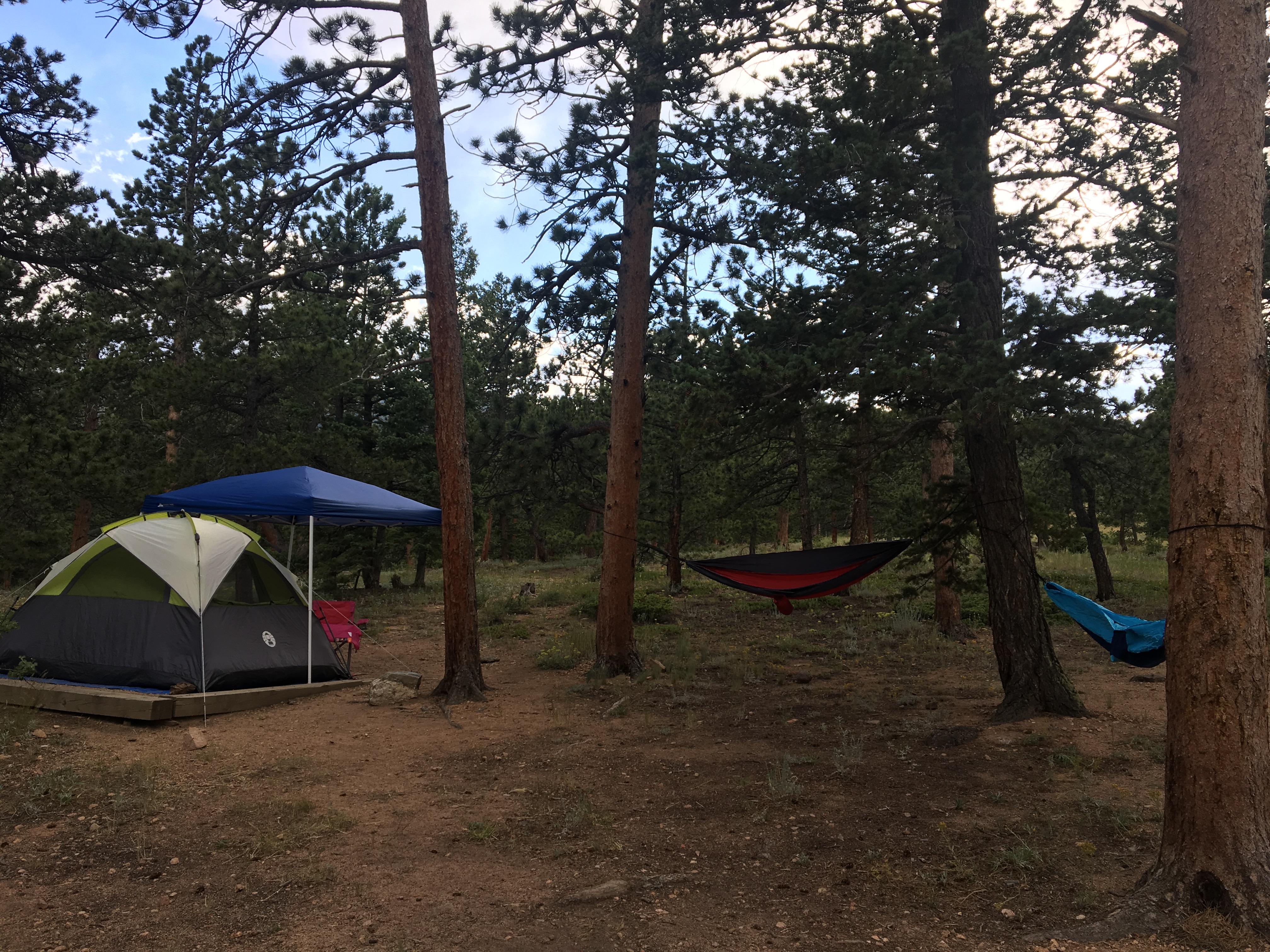
When we’re camping at a single location or want more space, we’ll often bring along a standard four-person tent. It gives us extra room for the dogs, or if Greg’s with us and we’re using the travel trailer, it becomes his own space. It’s also nice to carry a standard tent as a backup in case friends join us—everyone gets their own private sleeping quarters without overcrowding the trailer or vehicle.
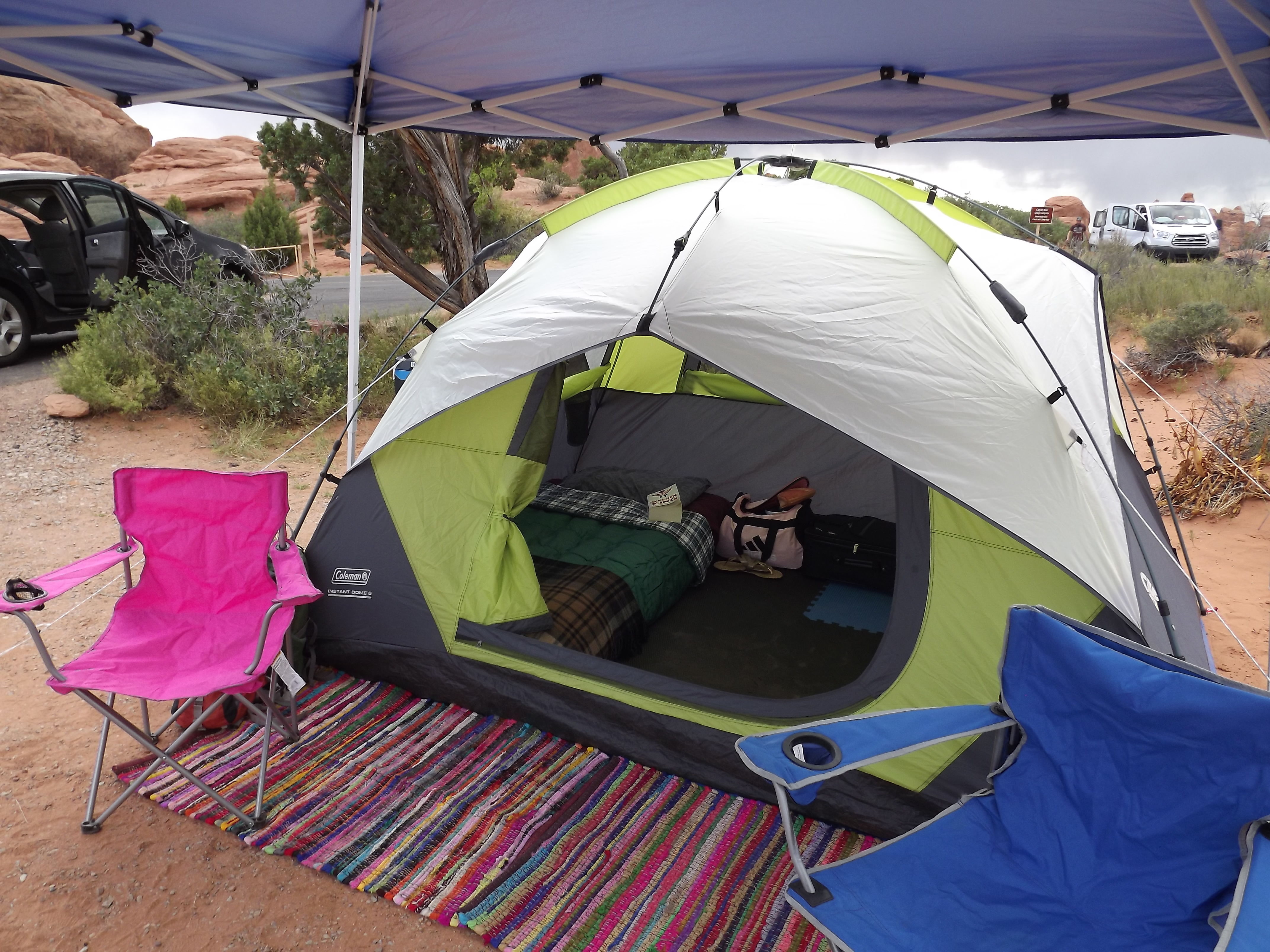
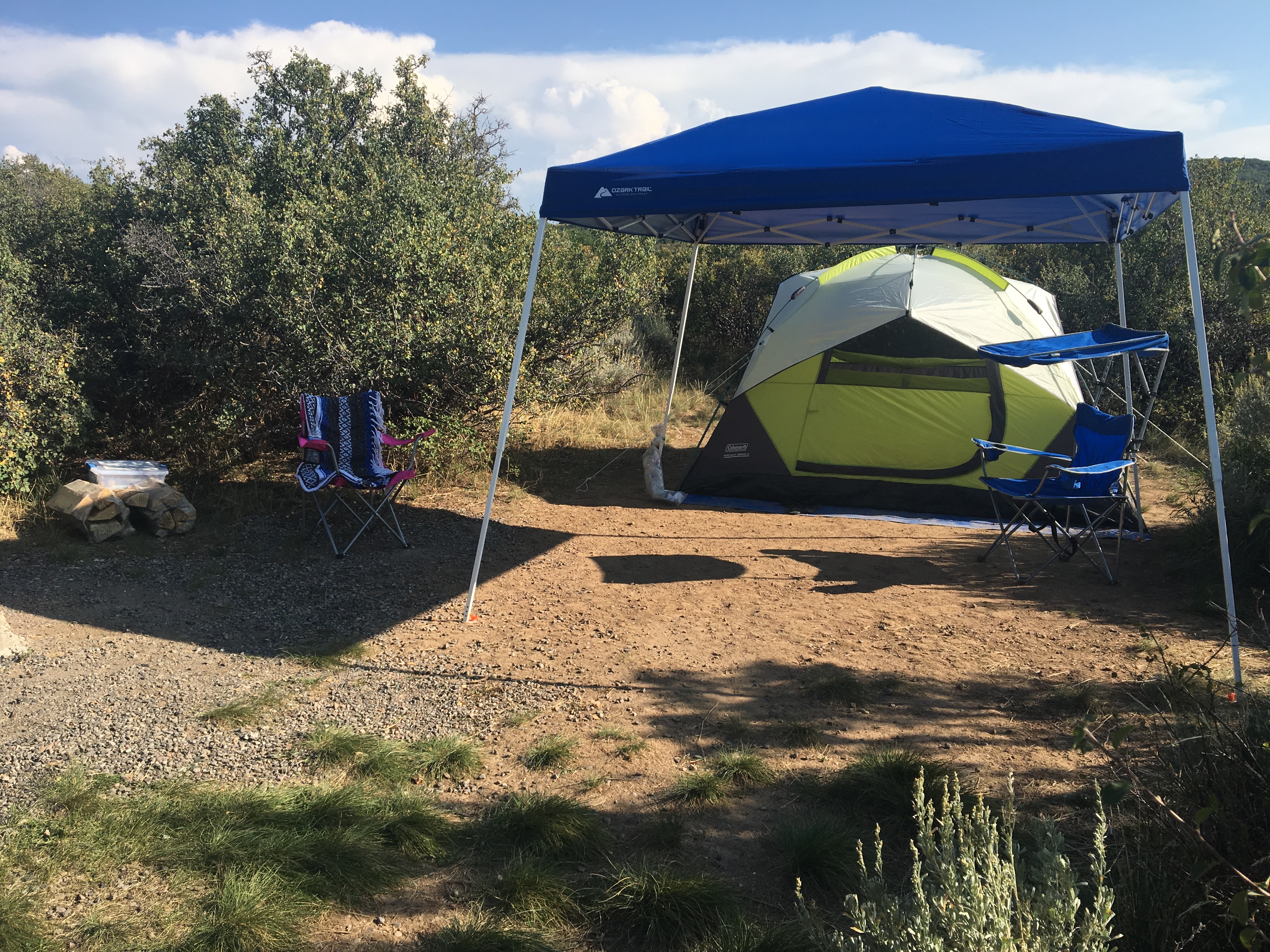
Best for: Minimalists, hikers, families, and traditionalists
Pro tip: Invest in a quality sleeping pad—it can make or break your night, especially on uneven ground or colder temps. Look for tents with good ventilation and quick setup if you’re frequently on the move.
Other things to consider:
- Site selection matters: Choose a flat, dry area—preferably slightly elevated—to avoid water pooling during rain. Avoid setting up under dead branches or in low-lying spots.
- Weather awareness: Even the best tents can be vulnerable in high winds or heavy rain. Use guy lines and stakes properly, and bring a tarp or groundsheet for extra protection.
- Leave it behind: One of the best perks of a tent is being able to set it up and leave it while you’re out adventuring. Just be sure to store valuables in your vehicle and weigh down the tent if wind is in the forecast.
- Condensation control: Proper ventilation is key to keeping the inside of your tent dry and comfortable—especially in cooler weather.
- Critter safety: Keep food and scented items out of your tent to avoid attracting wildlife. Use bear-proof storage if you’re in bear country.
- Packing efficiently: Tent camping gear can be compact, but don’t forget essential add-ons like a footprint, rainfly, repair kit, and an extra set of stakes.
- Comfort upgrades: A good sleeping pad, camp pillow, and a warm sleeping bag can make all the difference—especially if you’re camping for more than one night.
2. Hammock Camping
Hammock camping offers a lightweight, minimalist alternative to a traditional tent—making it a great option for backpackers or anyone looking to save space and weight. They pack down small, set up quickly, and keep you off the ground—ideal in wet, rocky, or uneven terrain. Plus, the gentle sway and open-air feel can make for an incredibly relaxing night under the stars. Just make sure your destination has trees or other strong anchor points—and check for any local regulations, as some areas restrict hammock use to protect tree health.
Our Experience:
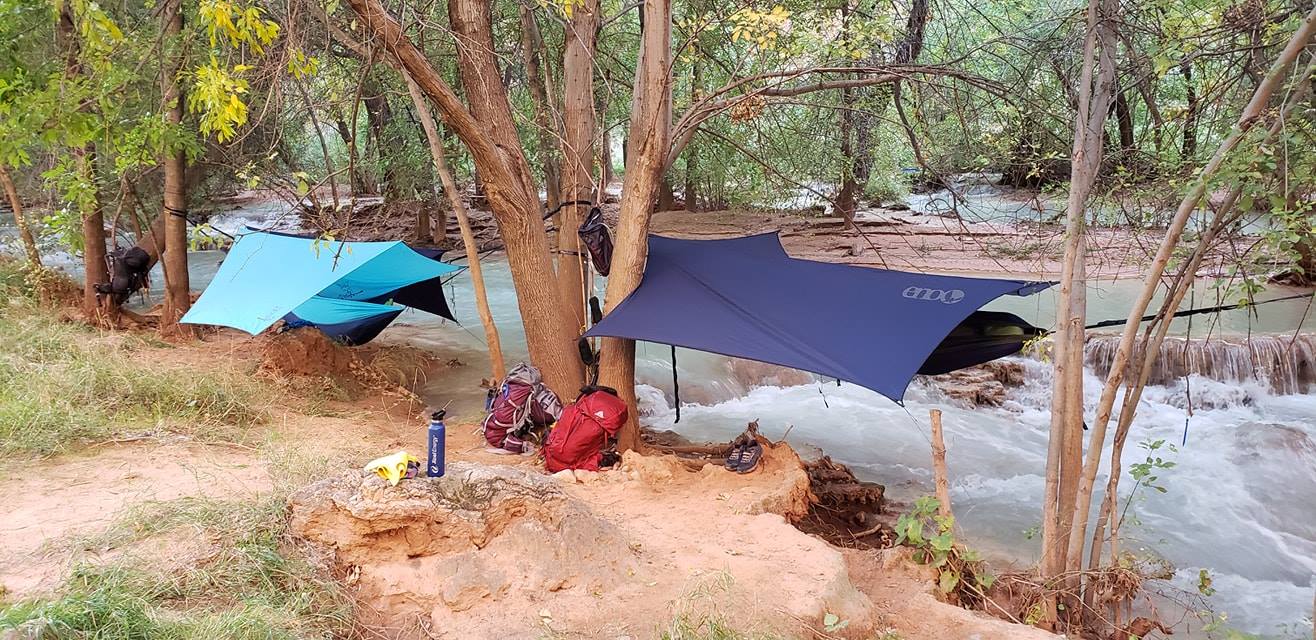
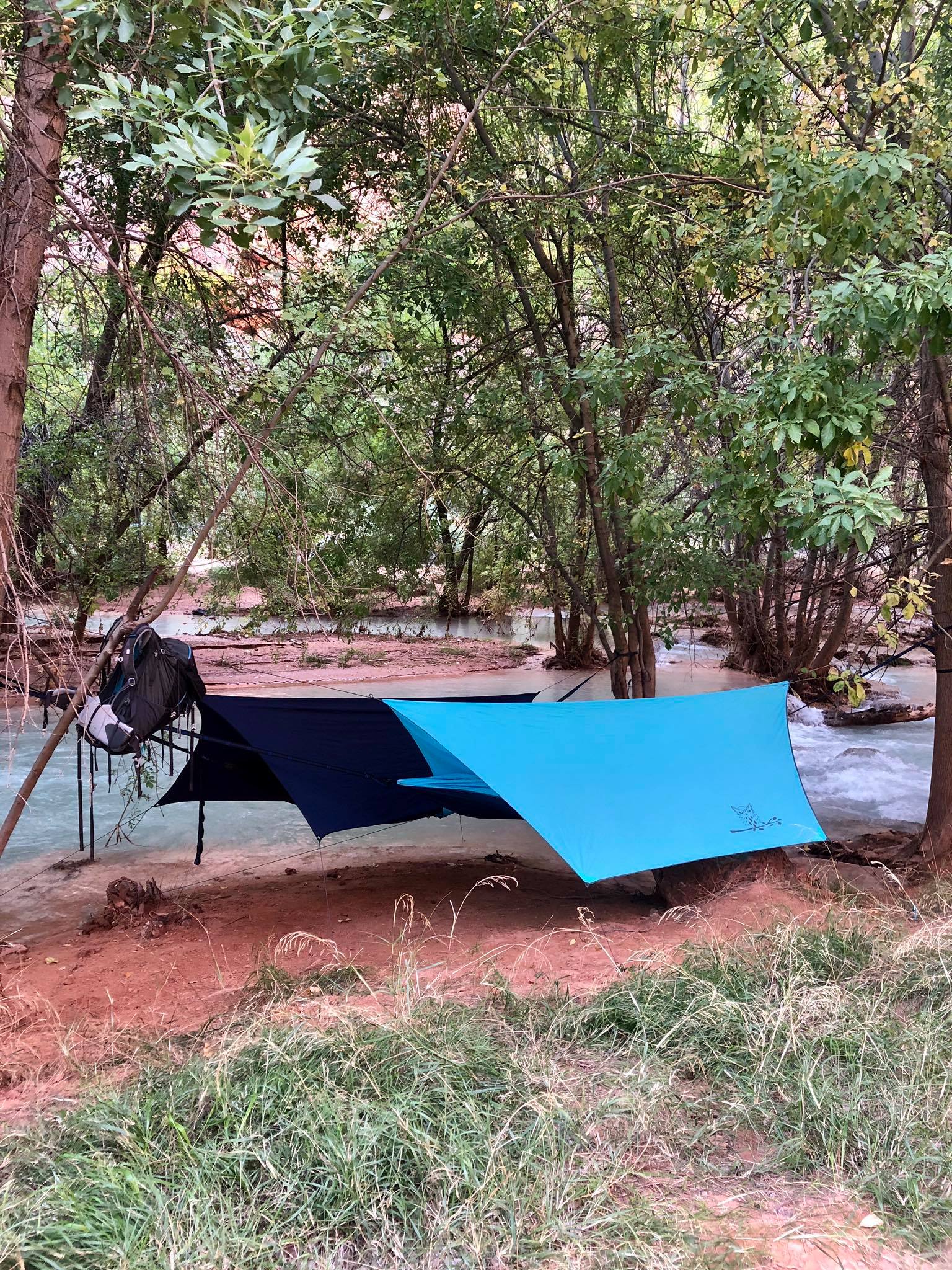
The first time Bill and I hammock camped was during our trip to Havasupai, Arizona. We brought a hammock, a bug net, and—thankfully—a tarp, which ended up being a lifesaver. The setup was super easy, and it packed down small enough to barely take up any room in our pack. We found a perfect spot by the creek, and the sound of the flowing water made it incredibly easy to fall asleep. I also loved being off the ground after a long day of hiking—it really helped ease the soreness in my hips. The tarp came in handy not just for rain and debris from critters above, but also for some privacy when changing clothes. While a special hammock sleeping pad can help keep you warmer and more stable, I found it wasn’t necessary for that trip. The biggest challenge we’ve run into with hammock camping is finding the right trees—some places don’t allow it, and others just don’t have the right spacing or sturdy options. Always check the rules and plan ahead.
Best for: Ultralight backpackers, warm-weather adventurers, and hammock lovers
Pro tip: Bring a bug net, tarp, and tree-friendly straps. Check local regulations before your trip—some areas restrict hammocks to protect trees.
Other things to consider:
- Tree availability: Not every site will have ideal trees. Always scout in advance or bring a backup shelter if you’re unsure.
- Weather protection: Tarps offer rain and sun protection but can also provide privacy and keep debris from falling on you overnight.
- Temperature control: It can get cold underneath you—even in warmer temps—so consider an underquilt or hammock-compatible sleeping pad.
- Privacy and space: Hammocks are solo setups. If you’re camping with a partner, plan for two separate systems or a double hammock with proper support.
- Leave No Trace: Use wide, tree-safe straps to prevent damaging bark. Avoid hanging from young or fragile trees.
3. Car or SUV Camping
Perfect for spontaneous overnights or quick getaways. Just pull into a campsite, flatten the back seats, unroll your sleeping pad, and you’re set. Car camping offers a nice balance of comfort and convenience with weather protection and the ability to lock your gear away safely.
Our Experience:
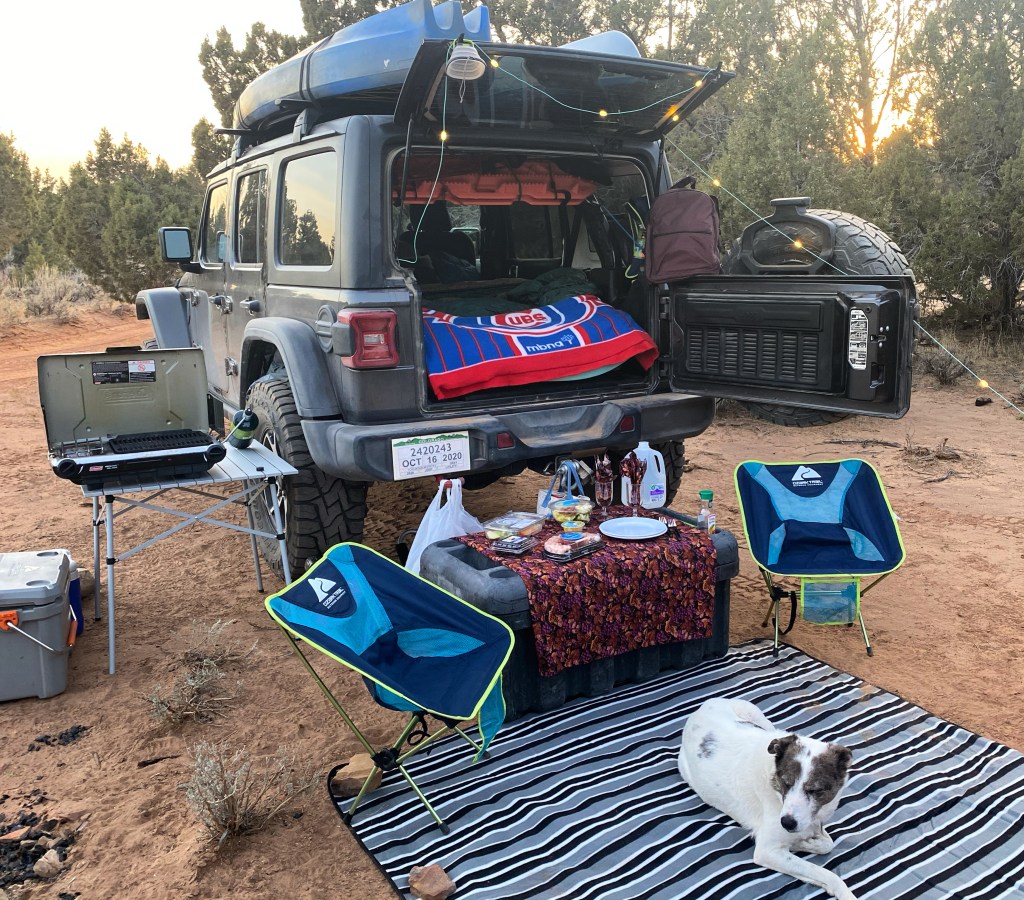
Bill and I have camped out of our Jeep many times, especially when we first started overlanding. It was our go-to setup for trips where we moved camp each day because it was so quick to set up and break down. One of our first experiences sleeping in the Jeep was during a trip to Havasupai, Arizona. We arrived at a dispersed campsite with a group of friends around 10:30 p.m., well after dark. While others wrestled with setting up tents—and avoiding cactus—we simply pulled out our gear bins, rolled out our sleeping pads and bags, and were cozy in the back of the Jeep before anyone else was done. It was simple, efficient, and surprisingly comfortable.
Best for: Weekend warriors, road trippers, and first-time campers.
Pro tip: Use a sunshade or blackout curtains for privacy and insulation. Bring along a portable power station or high-capacity battery pack to keep your devices, lights, or even a small fan running—especially if you don’t plan to start your vehicle overnight.
Other things to consider:
- Ventilation is key: Crack your windows slightly (rain guards help) to allow for airflow and prevent condensation buildup inside your vehicle. A small battery-powered fan can also make a big difference.
- Stay organized: Use storage bins or drawer systems to keep your gear accessible and reduce the need to unpack everything at each stop.
- Keep it level: A slight slope can make for an uncomfortable night. Use leveling blocks or scope out flat ground before settling in.
- Bug protection: Magnetic or mesh window screens can keep mosquitoes out while still letting air in.
- Privacy matters: DIY window covers or reflective sunshades offer privacy and help regulate temperature—especially in hot or cold climates.
- Weather aware: Your vehicle can act like a greenhouse in the sun and a fridge in cold temps. Plan your bedding and ventilation accordingly.


4. Rooftop Tents (RTTs) & RTT Trailers
Rooftop tents have become one of the most exciting additions to modern adventure gear, especially for overlanders and weekend explorers. Designed to handle rugged terrain, they allow you to camp in places where RVs and traditional trailers can’t go. Mounted on a vehicle or a dedicated off-road trailer, RTTs keep you elevated off wet, rocky, or uneven ground and offer excellent protection in rough weather—often better than ground tents. Their quick setup and built-in mattresses make them a comfortable and convenient option for remote travel. With a wide range of styles—soft-shell, hard-shell, low-profile, or extended models with annexes—there’s an RTT setup for just about every kind of adventurer.
Our Experience:
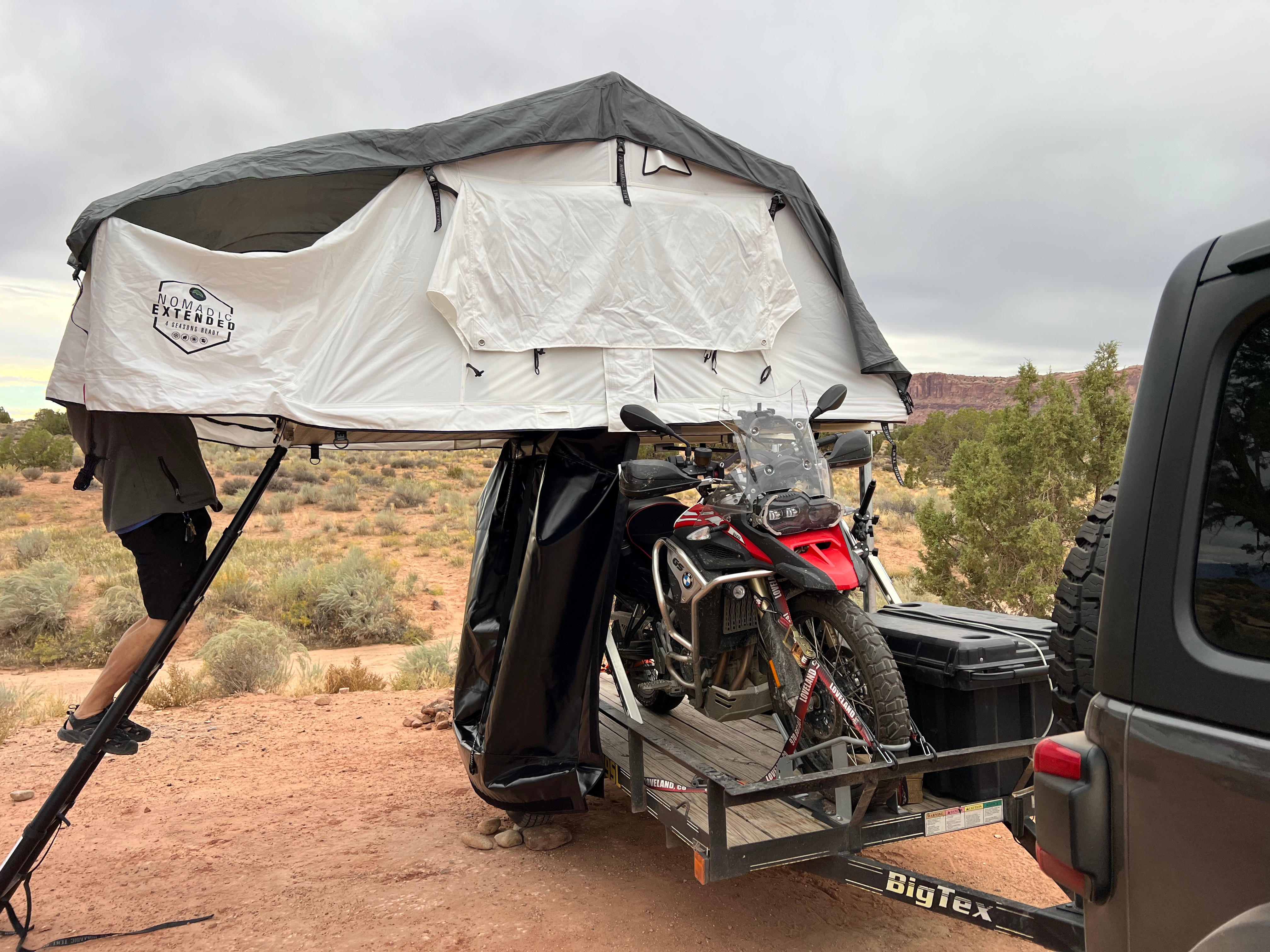
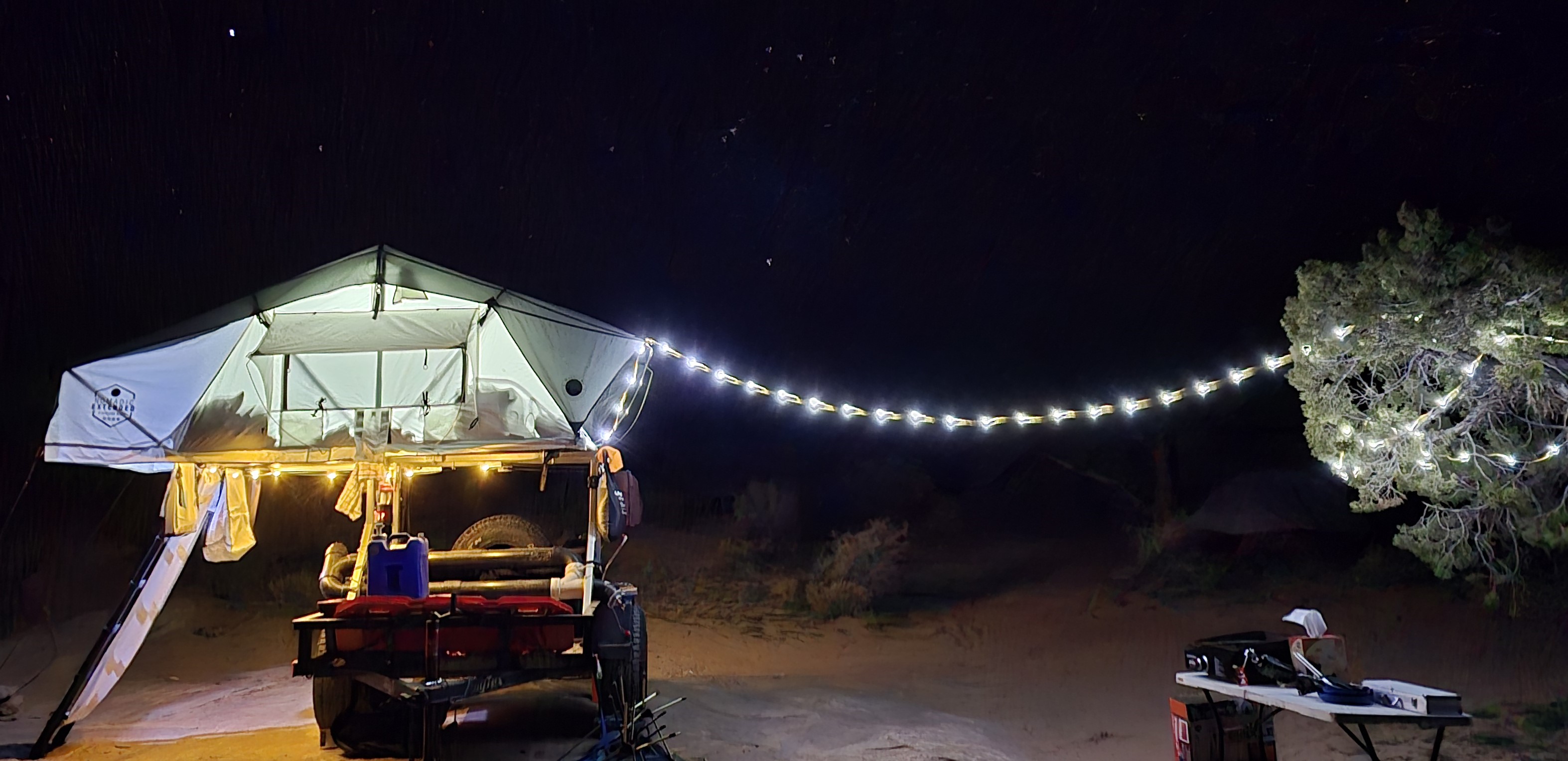
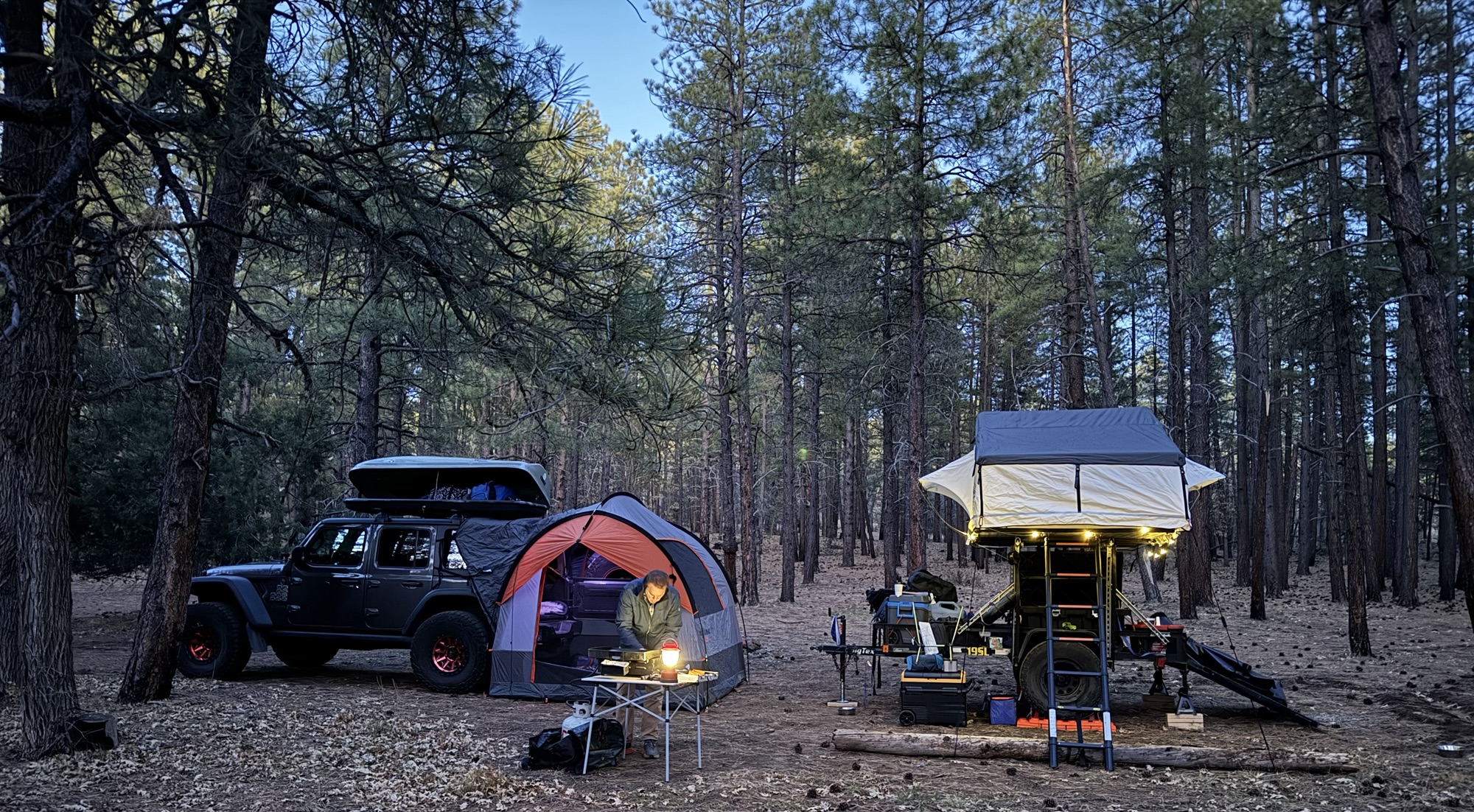
When Bill and I traded in our pop-up camper for a travel trailer, we still wanted something we could take on more rugged trails—places the trailer simply couldn’t (or shouldn’t) go. While we love our Kelty tent, we were looking for something with heavier construction and a faster setup especially for our overland trips. That’s when we chose the Overland Vehicle Systems HD Nomadic 3 Extended rooftop tent. One of my favorite features is the built-in skylight—perfect for stargazing in the Utah desert. I love crawling in at night, wrapping myself in a cozy blanket, and falling asleep under the stars.
To make the setup even more versatile, we decided to mount our RTT to an overlanding trailer rather than directly on the vehicle. This way, we can disconnect the trailer for daily adventures and always come back to a ready-to-go home base. Bill customized the trailer with off-road tires, a sturdy unistrut frame, a beefier axle for better clearance, and even a pivoting frame that allows him to tow his adventure motorcycle underneath. He also added a water tank for easy rinsing after hikes or cleaning up around camp. Mounting the RTT on a trailer has made a huge difference—it gives us extra storage space, frees up room inside the vehicle for dogs, friends, or family, and makes our entire setup more comfortable and self-sufficient.
Best for: Overlanders, off-road adventurers, and campers who want fast setup and weather protection
Pro tip: Make sure your roof rack or trailer is rated for the weight of the RTT and your gear. Practice setup before your first trip, and consider a boot bag or drop mat to keep the dirt outside your sleeping space.
Other things to consider:
- Vehicle clearance: RTTs increase height—watch for low branches, garages, and uneven bridges.
- Storage access: When the tent is open, roof storage is harder to reach—plan ahead.
- Climbing in and out: Ladder access is efficient but may not be ideal for pets or in heavy rain.
- Fuel economy: A mounted RTT can affect your vehicle’s aerodynamics and mileage.
- Privacy: You’re more visible when elevated. Annex rooms or changing spaces can help.
- Weight distribution: Know your dynamic (driving) and static (parked) load limits.
- Customization potential: RTT trailers can be highly customized—extra gear storage, water tanks, motorcycle mounts, and more.

5. Pop-Up Campers
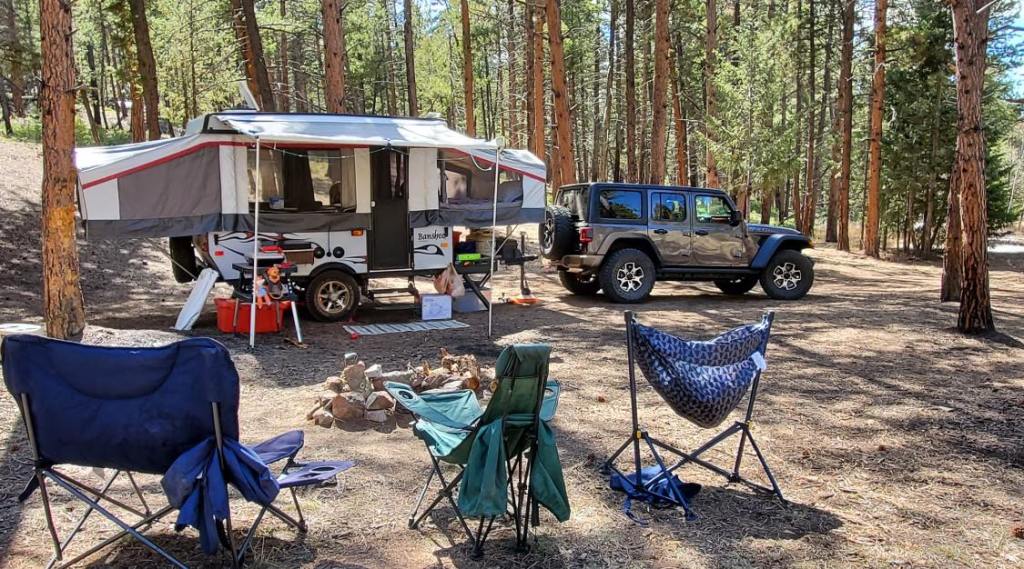
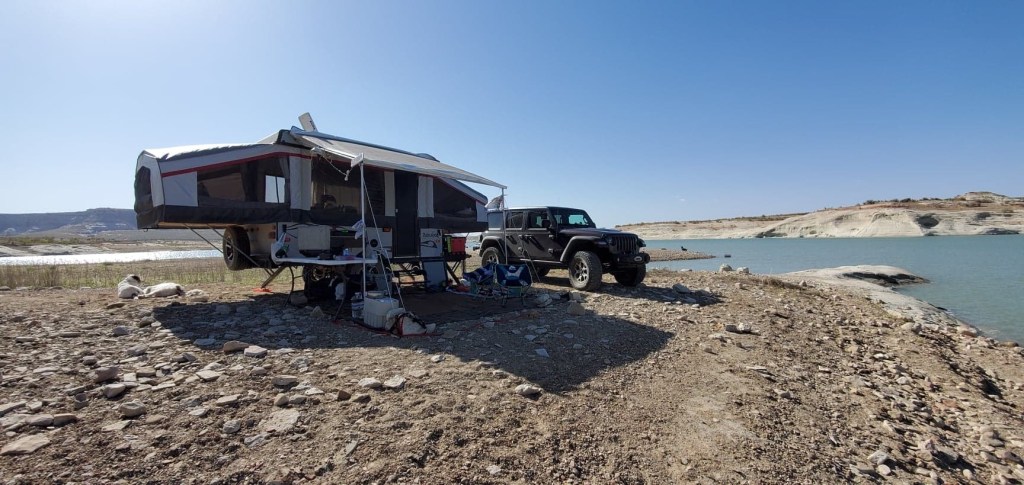
Pop-up campers are a fantastic option for those who want a step up from tent camping without going full RV. Lightweight and easy to tow with most SUVs or trucks, they collapse down for travel and expand at camp to offer a surprisingly spacious and comfortable interior. Many models include beds, small kitchens, and even heaters, giving you just enough comfort while still keeping you close to nature. They’re especially great for folks who want to get off the beaten path but still have a cozy place to crash at night.
Our Experience:
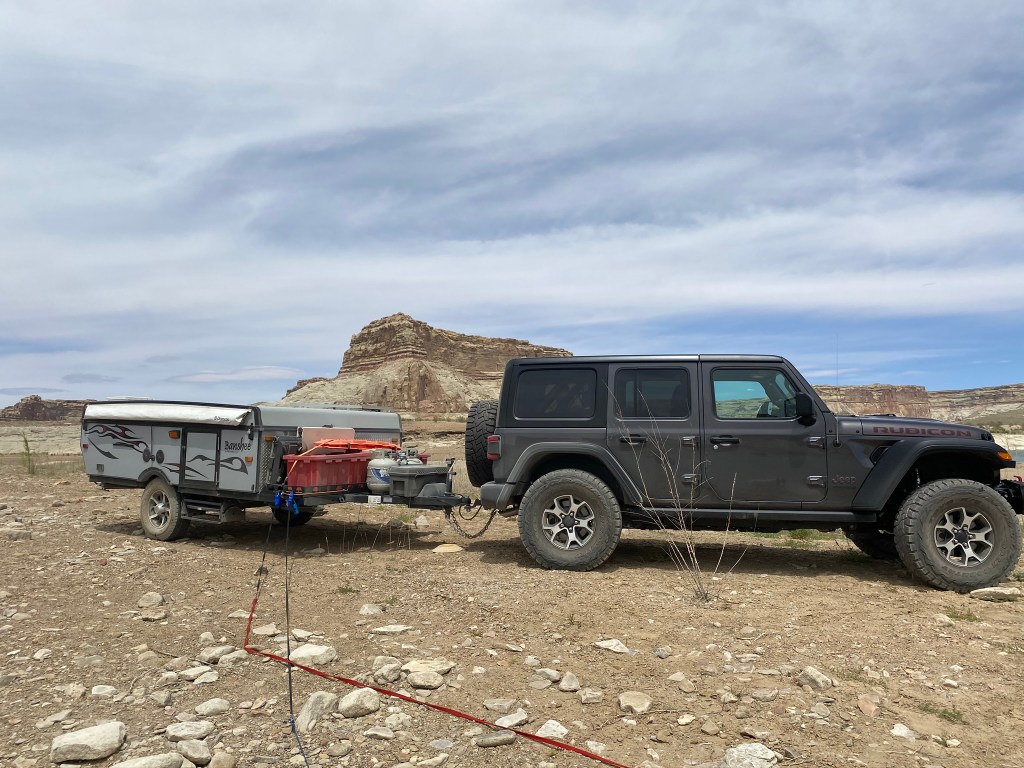
Bill and I had a pop-up camper for about two and a half years, and it made for some memorable trips. It towed easily behind the Jeep, and once we had our setup routine down, we worked as a great team to get it ready quickly—even if the process could be a bit of a chore at times. With the slides out, it felt surprisingly roomy—plenty of space for us and the dogs, and a comfortable retreat from the wind, rain, or heat. We never had issues with staying too cold or too hot, especially when we were hooked up to power and could use the heated mattresses. What really sold us was its ability to go where most campers can’t. We took it off-road, through canyons, over uneven mountain trails, all the way to the shores of Lake Powell and even across deep sand to the beaches at Lake McConaughy. Of course, it came with a bit more maintenance than tent camping, but the comfort and versatility were worth it.
Best for: Campers who want comfort without sacrificing mobility.
Pro tip: Practice setup and teardown at home—it makes campground life so much easier. Keep up on maintenance to avoid surprises in the middle of nowhere.
Other things to consider:
- Weather setup time: If you arrive in the rain or strong winds, setup can be a bit more challenging than with a hard-sided trailer. Plan ahead and try to beat bad weather when possible.
- Canvas care: The tent-style walls are breathable but require maintenance. Always dry out the canvas before storing to prevent mold or mildew.
- Security & insulation: While pop-ups offer some protection, they’re not as secure or insulated as hard-sided campers. Bring extra blankets in colder temps and secure valuables when away.
- Storage limitations: Space is limited inside most pop-ups. Use exterior bins or roof storage for bulkier gear and organize frequently used items for easy access.
- Crank & lift systems: These require occasional maintenance and lubrication. It’s worth learning how to do simple fixes in case of issues in remote areas.
- Battery & power planning: Know how much your camper can run off-grid. Heated mattresses and lights are great—but they’ll drain your battery fast if you’re not connected to shore power or using solar.
- Wildlife awareness: With soft sides, you’re more exposed to outdoor noises (and smells), which can attract curious animals. Store food securely and follow Leave No Trace principles.
6. Travel Trailers
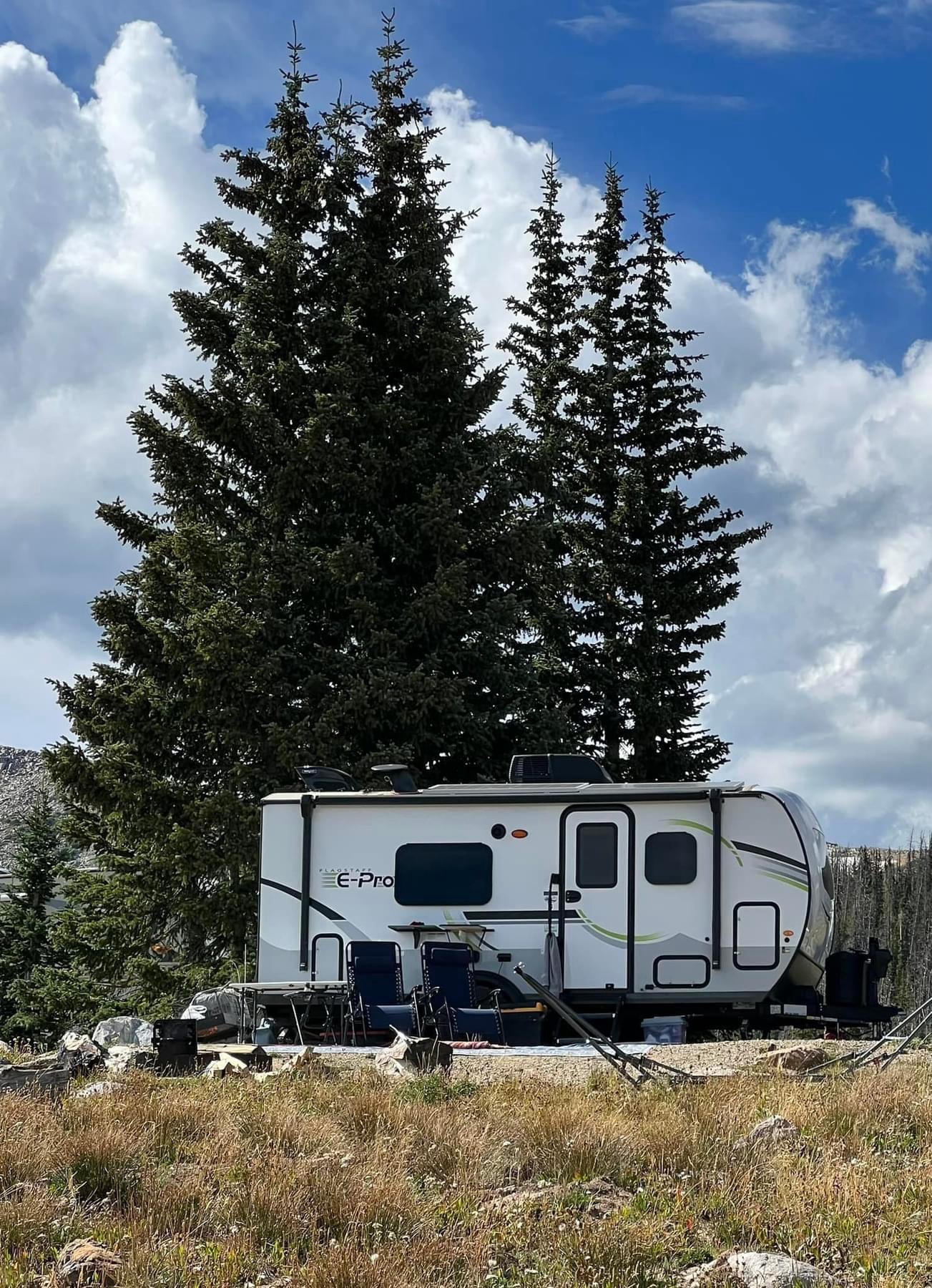
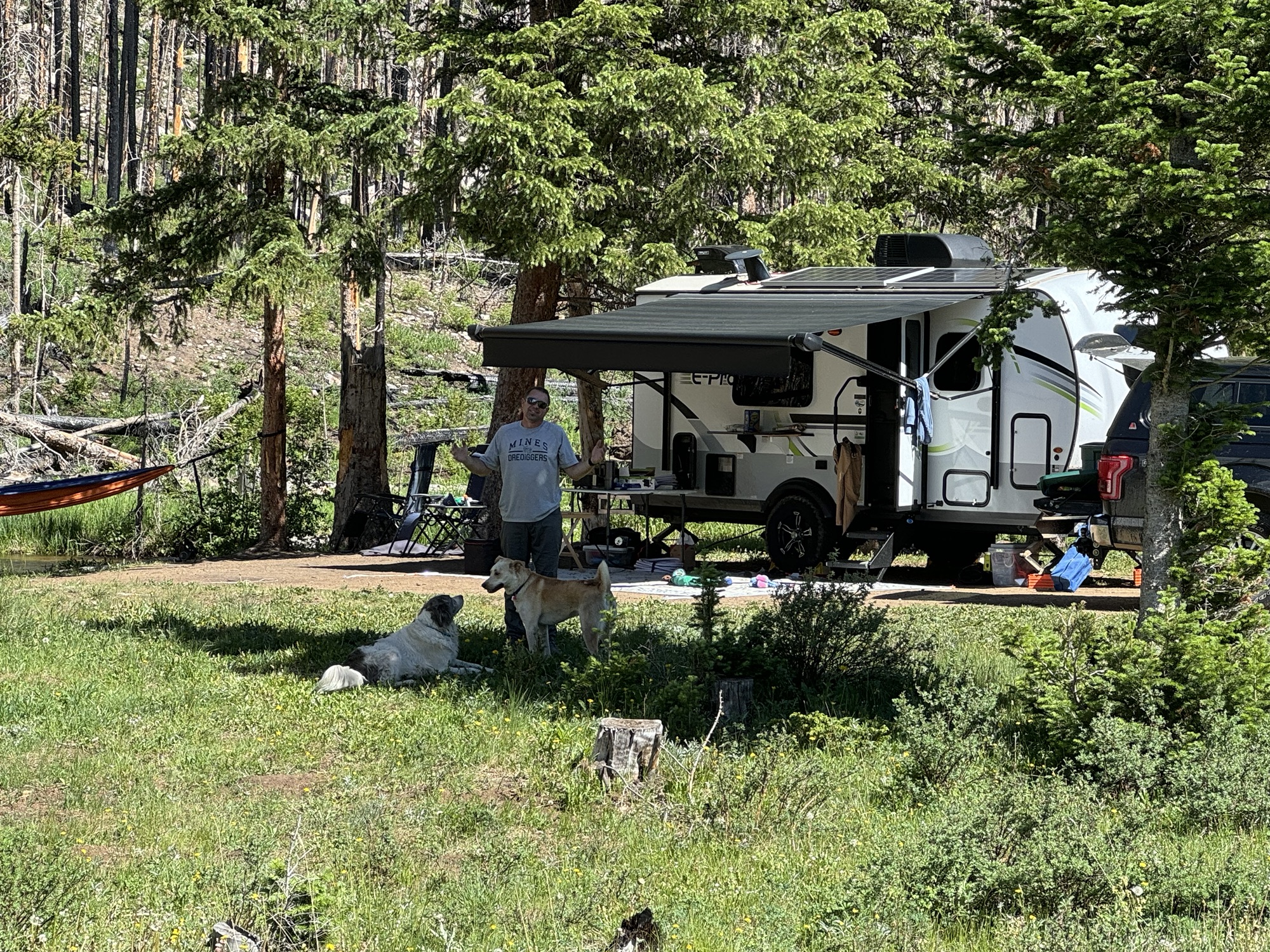
Travel trailers offer a flexible and affordable way to experience the RV lifestyle, giving you the comforts of home with the freedom to roam. With solid walls, ample storage, and features like kitchens, bathrooms, and climate control, they’re perfect for longer trips or those who prefer not to “rough it.” You can find everything from compact, off-road-ready models to spacious rigs with slide-outs and bunk rooms—whatever suits your camping style. Plus, you can unhitch at camp and still have a vehicle to explore the area.
Our Experience:
When Bill and I upgraded to a truck with higher towing capacity, we moved into the travel trailer world and chose a lightweight, off-road-capable model that’s 22 feet in length from tongue to tail. It’s just the right size—spacious enough to be comfortable but still nimble enough for maneuvering into smaller campgrounds. We still have the option to tow with the Jeep, but we’ve come to appreciate the power and stability the truck provides, especially on longer or rougher trips.
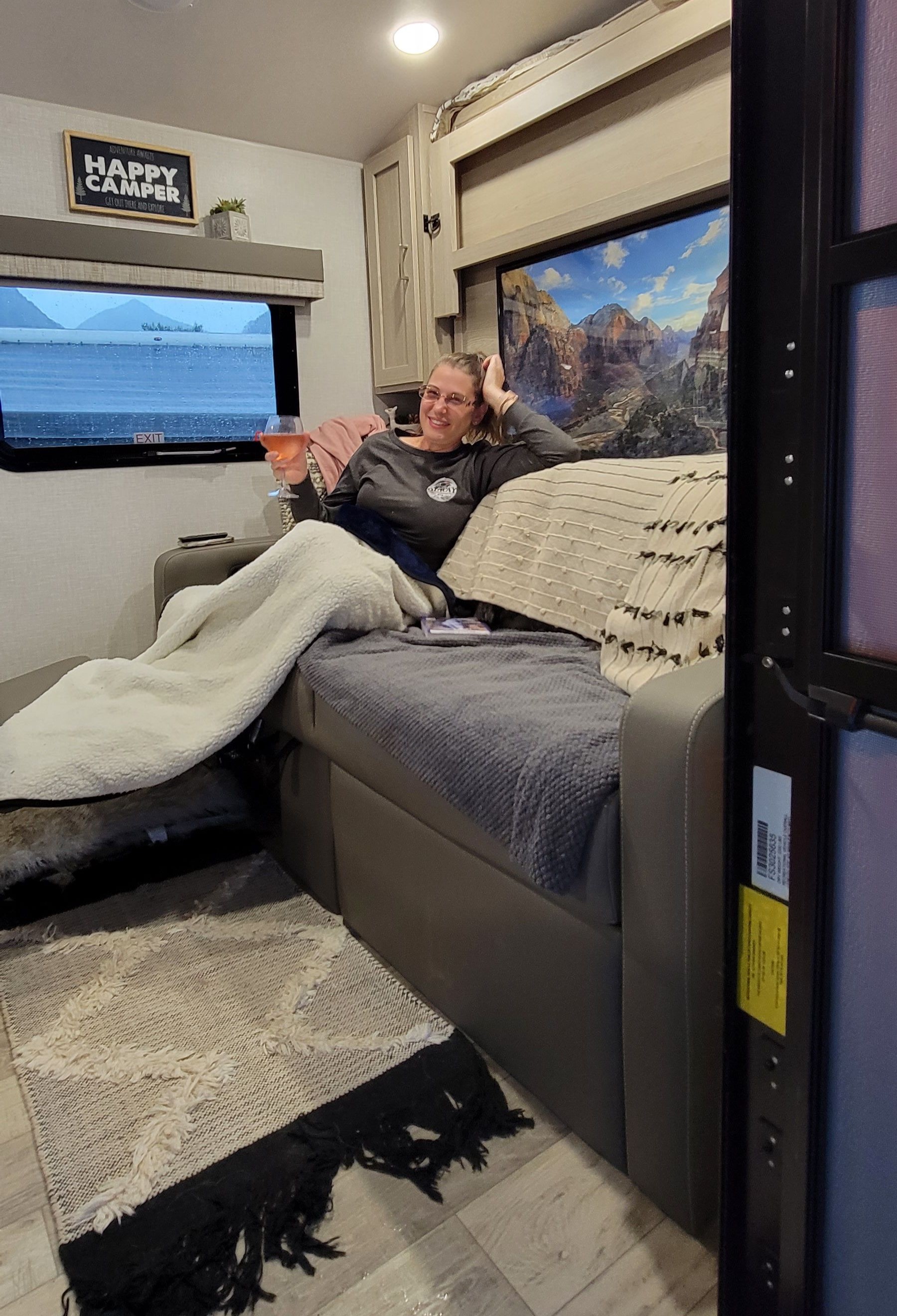
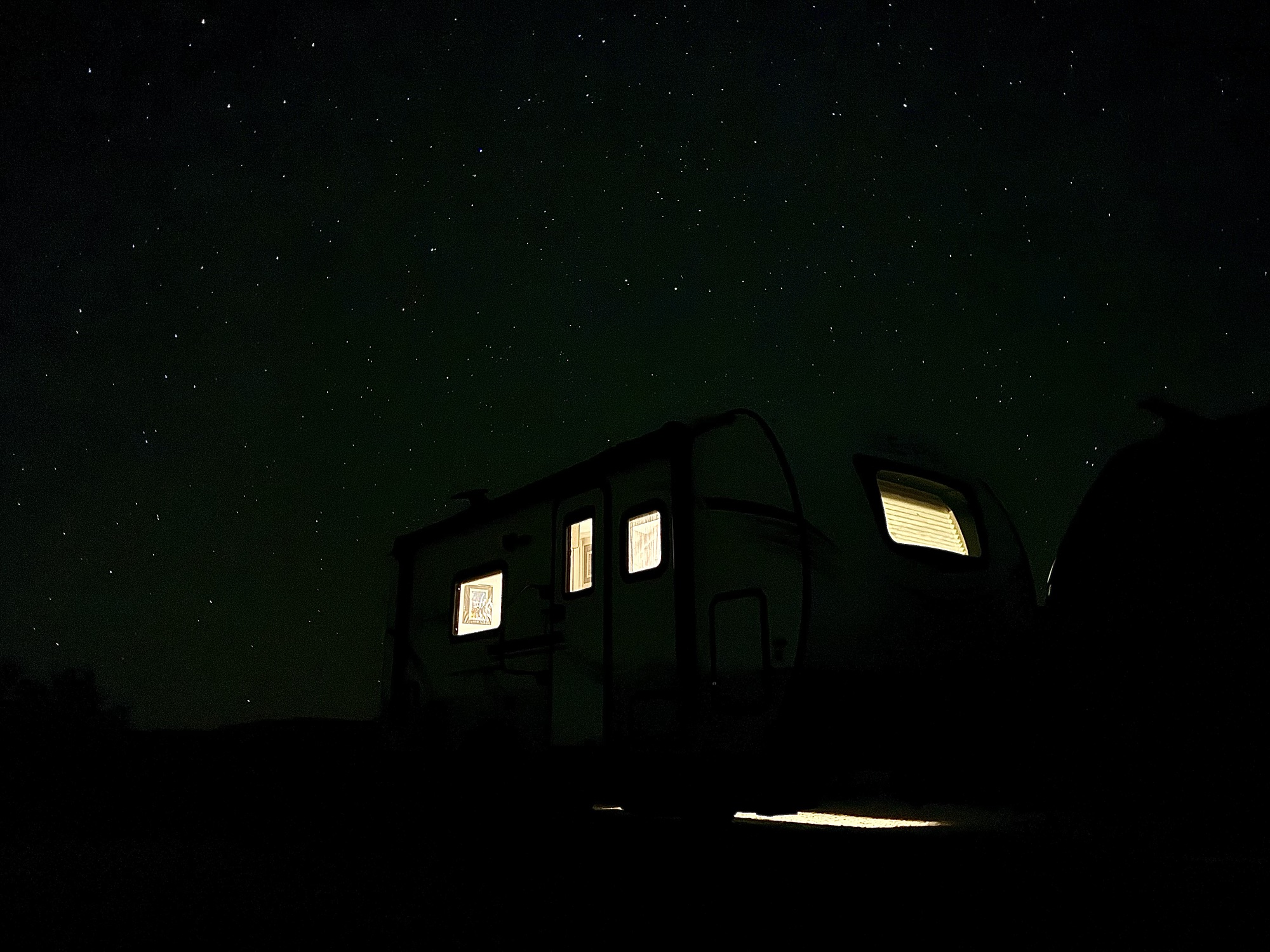
Our trailer is designed for boondocking and off-grid use, with two 200-watt solar panels on the roof and the option to add a third through a side port. It’s wired with a 1,000-watt inverter and powered by two 100-amp lithium batteries, so we can stay out longer without hookups. Setup is quick and easy, which is perfect for spontaneous stops or longer stays. I especially love having access to a bathroom on cold mornings or rainy nights, and when the weather turns, it’s a cozy escape—we’ve spent a few evenings curled up on the couch watching movies while storms rolled through. It’s also been great for shoulder-season camping, where the temps drop but we stay warm inside.
Having a backup camera has been a game-changer for navigating tight campground sites and gas stations, and our tire monitoring system gives us peace of mind on long drives. We’ve learned that taking a trailer off-road adds to the adventure—but also the maintenance. Harsh conditions can cause wear and tear on components that aren’t built for consistent rugged use, so we stay on top of inspections and upkeep regularly.
Best for: Campers seeking more space, comfort, and off-grid capability without giving up flexibility.
Pro tip: Look for a model with solar or inverter prep if you plan to boondock. A backup camera is incredibly helpful for tricky turns and tight spots. A tire pressure monitoring system is a must for safe, stress-free towing. And always check your clearance before heading down bumpy roads—trailers are tougher than you think, but they still have limits.
Other things to consider:
- Towing confidence: Make sure your tow vehicle is up to the task. Practice backing up and learn about weight distribution and sway control before hitting the road.
- Storage & security: Travel trailers can haul more gear, but that also means keeping it organized and safe from theft or weather.
- Campsite size: Some campgrounds have limited space for longer trailers—always check size restrictions when planning your stops.
- Maintenance matters: From seals and suspension to brakes and tires, trailers need regular care—especially after rugged trips.
- Fuel use: Towing can significantly affect gas mileage, so plan your fuel stops and budget accordingly.
- Creature comforts: Having a fridge, bathroom, and indoor space is a game changer—but you’ll need to monitor water levels, battery charge, and tank capacity if you’re off-grid.

7. Other Ways to Camp
- Bivy Sacks: A minimalist option for solo adventurers—just slide your sleeping bag in and zip up. Great for alpine or stealth camping.
- Tarp Shelters: Ultralight, flexible, and fast to set up. Ideal in dry climates or for survivalists.
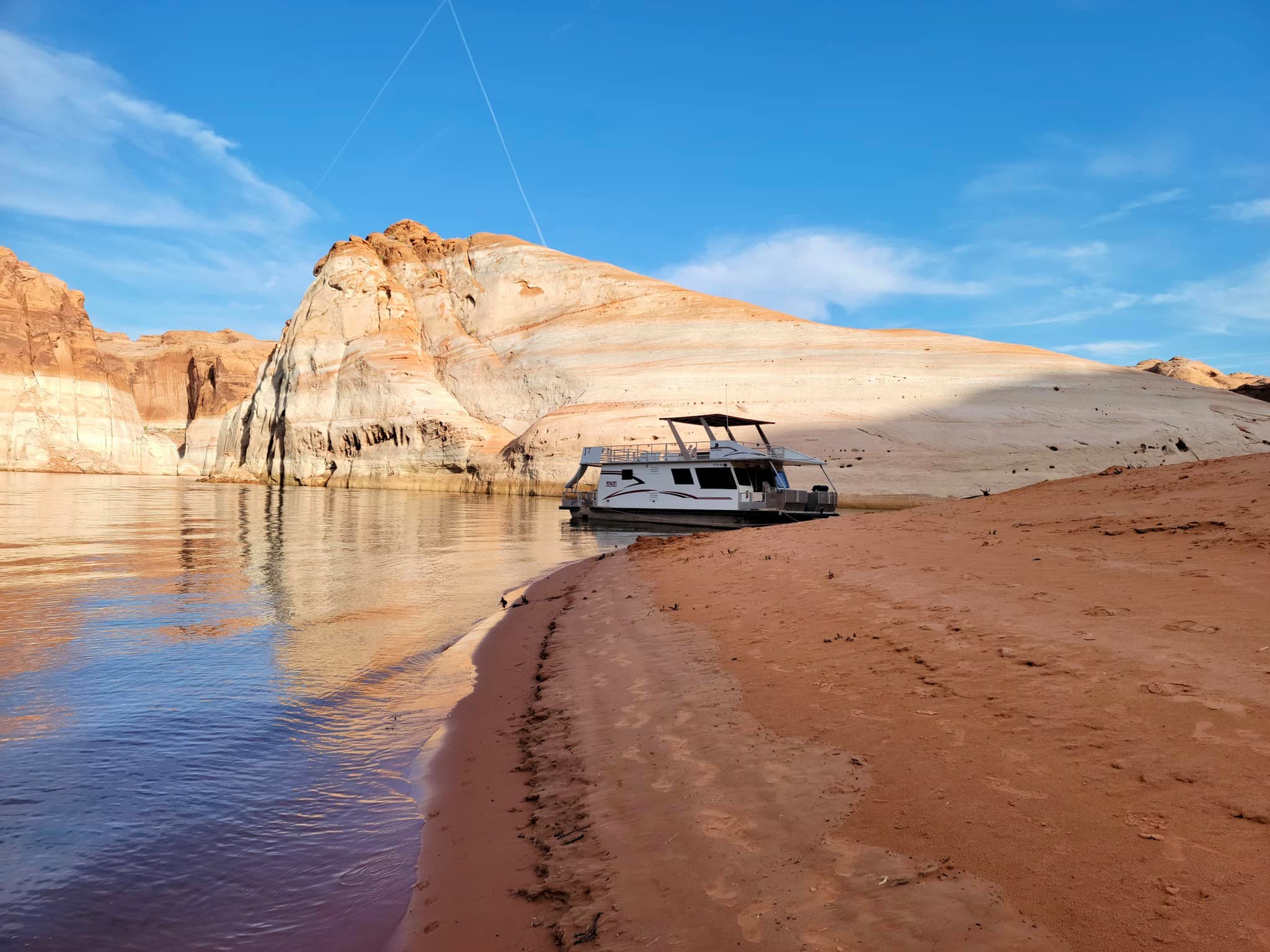
- Cabin Camping: Want nature without the hassle? Rent a cabin in a state park or national forest. Rustic, cozy, and a good intro for camping-curious folks.
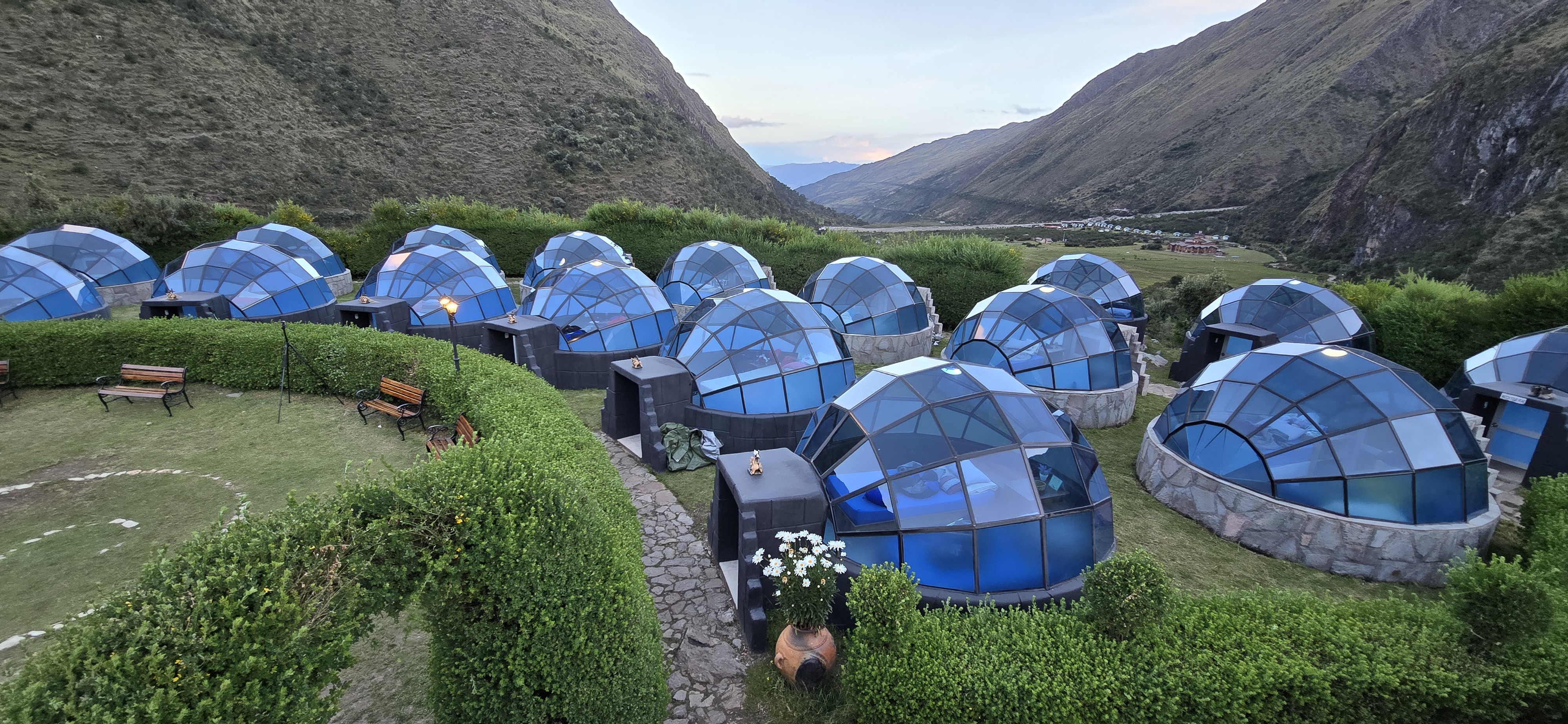
- Glamping: Glamorous camping with creature comforts. Think canvas tents with real beds, electricity, and gourmet meals.
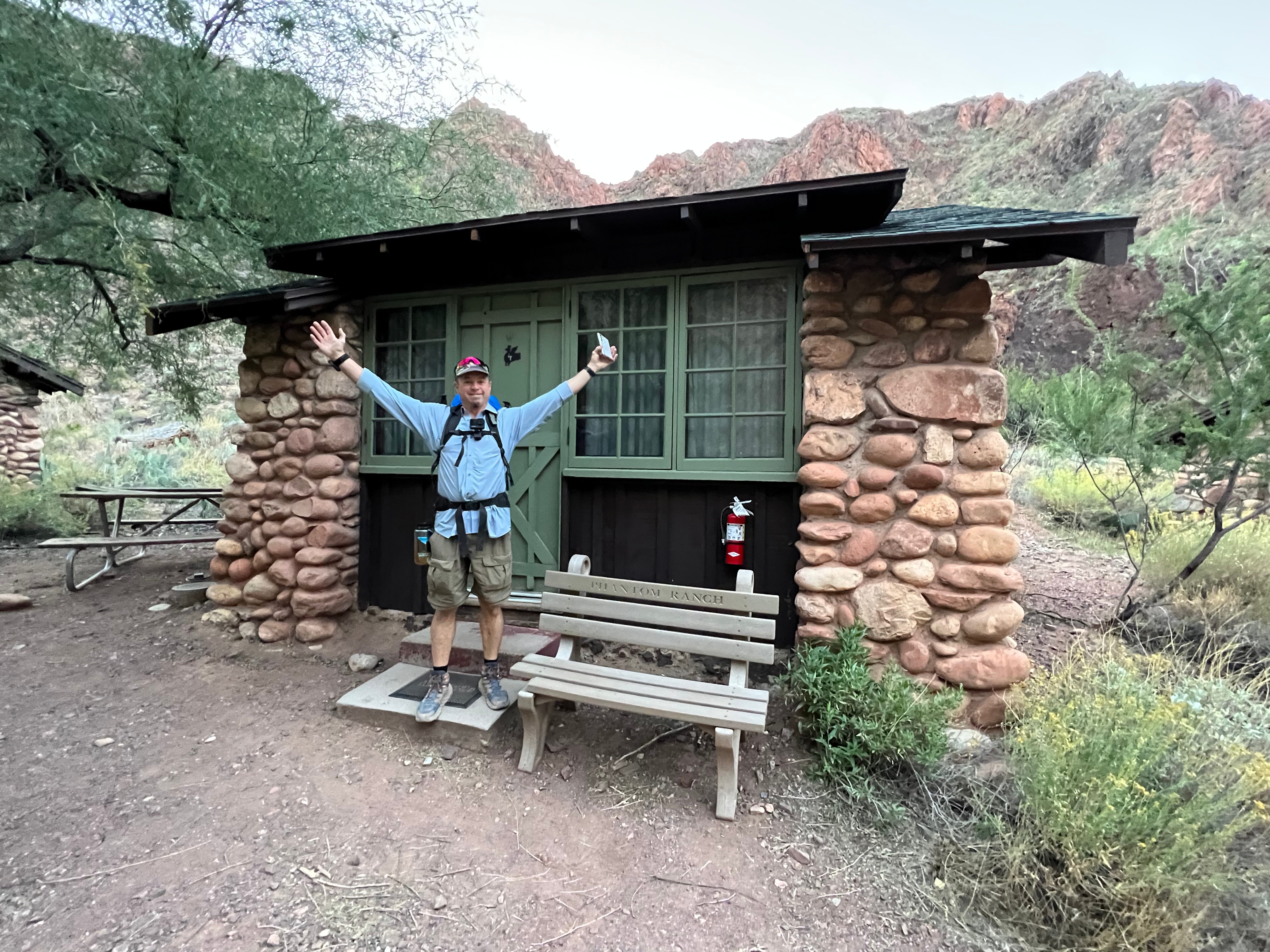
Final Thoughts: Mix, Match & Make It Yours
While we no longer have our pop-up camper, we still use each of these camping styles depending on the type of adventure we’re heading out on. There’s no one-size-fits-all approach when it comes to outdoor living, and one of the best things about camping is how flexible and adaptable it can be. Your ideal camping style may change with the season, location, or the company you keep. Sometimes it’s just the two of us and a backpacking tent deep in the backcountry; other times, it’s a comfy trailer setup for a longer trip—or something in between.
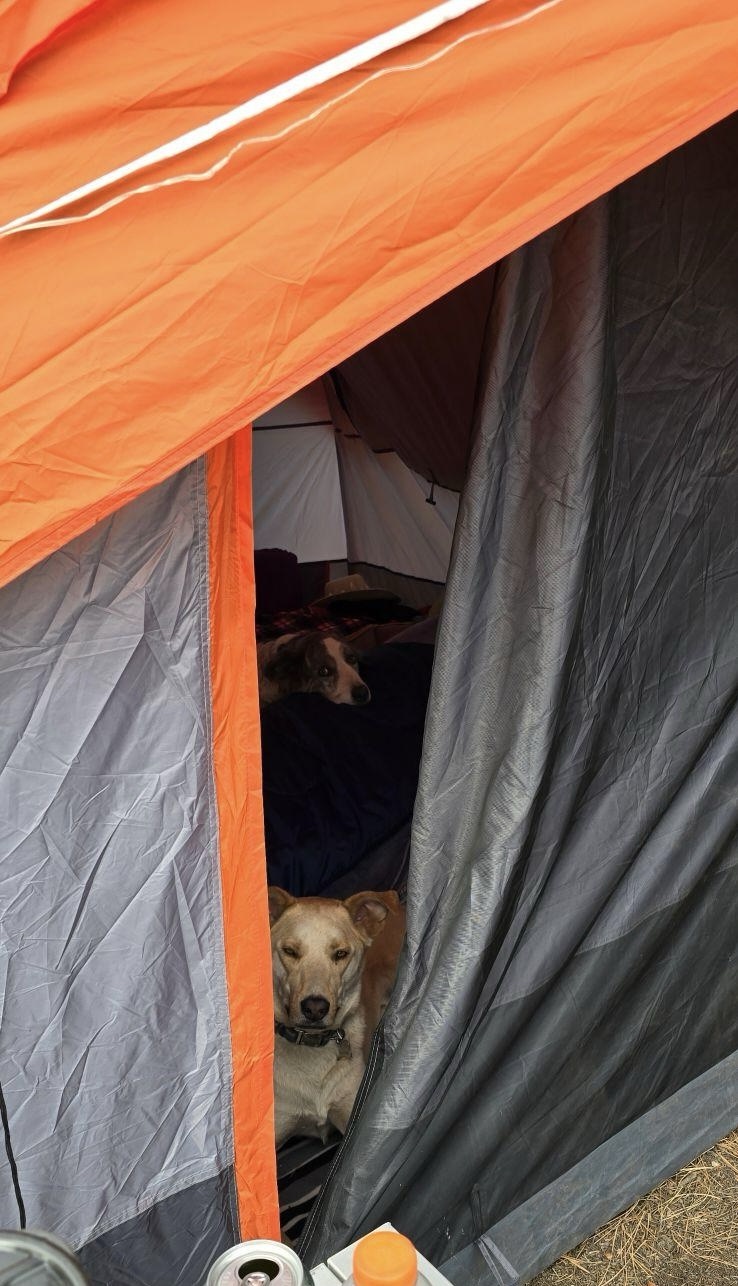
You can even create hybrid setups to meet your specific needs. For example, when we bring the dogs on an overlanding trip, our 100-pound Great Pyrenees mix can’t exactly climb into the rooftop tent—so we bring a standard tent that connects to the Jeep. It gives us a combination of car camping, tent camping, and RTT living all in one trip.
The important thing is to choose what feels safe, fun, and accessible to you. Try a few different methods—mix and match styles to suit the adventure at hand. No matter how you camp, if you’re outside and loving it, you’re doing it right.



 Western Wanderlust Chronicles
Leave a comment