


Prep smart. Pack light. Eat well—wherever you roam.
Cooking outdoors can be one of the most rewarding parts of any adventure… or one of the most frustrating. Whether you’re simmering soup on a backcountry stove or grilling next to your camper, your experience often comes down to preparation. Having delicious, nutritious meals ready to go—and a setup that fits your travel style—can make all the difference between loving or loathing your outdoor kitchen.
With a bit of thoughtful meal planning and repackaging at home, you can save time, reduce waste, eat better, and enjoy camp cooking without the stress.
Why Plan & Repackage?

Meal planning isn’t just for the ultra-organized. When you’re outside, it helps you:
- Stay fueled with the right amount of calories and nutrients.
- Avoid food waste and forgotten ingredients.
- Save valuable time after a long day on the trail or road.
- Streamline your packing—cutting weight, bulk, and cleanup.
- Make camp meals feel like something to look forward to.
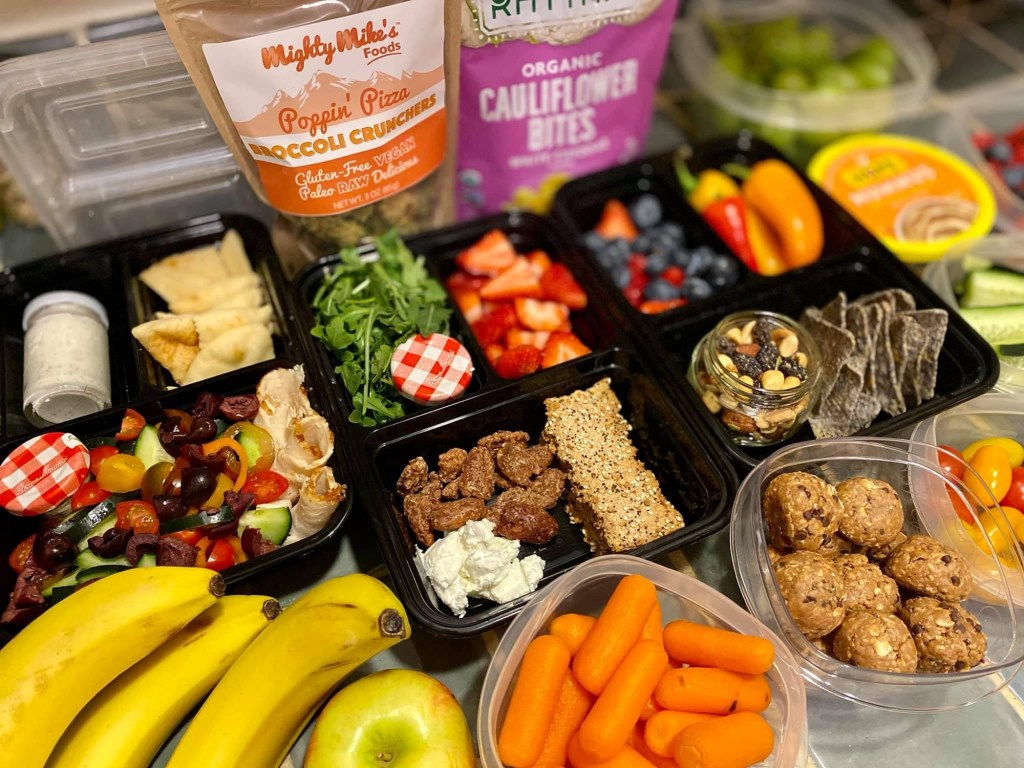
Repackaging lets you leave behind heavy or awkward containers, reduces trash, and makes your food easier to store, grab, and prep. From backpacking trips to overland tours, it’s one of the smartest things you can do before you even hit the road.
Travel Style & Kitchen Setup
The way you travel shapes how you cook—and how you plan.
Backpacking
You’re carrying everything, so every ounce counts. Minimalist meals, compact containers, and quick-cook ingredients are essential. You’ll likely have one small stove, limited cookware, and water that needs purifying.

Backcountry kitchen musts:
- Lightweight stove & fuel
- Small pot or cup
- Spoon or spork
- Bear hang or canister
- Repackaged, calorie-dense meals
RV Camping
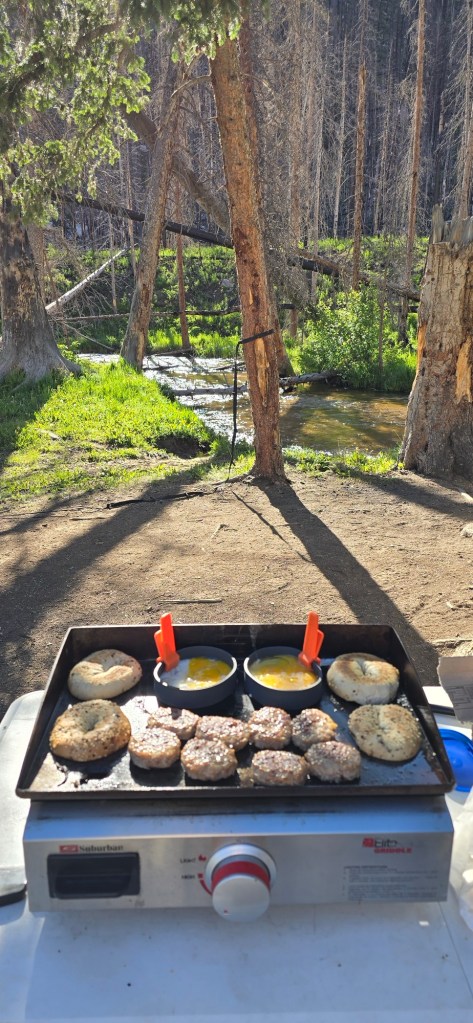
You’ve got more space, maybe even a fridge, a pantry, and a full stove. You can bring fresh ingredients, spices, and real cooking tools—perfect for comfort meals.
RV kitchen musts:
- Stackable bins or drawers
- Refillable spice jars
- Cooler or fridge
- Foil, cutting board, knives
- Meal plan for each day
Overlanding
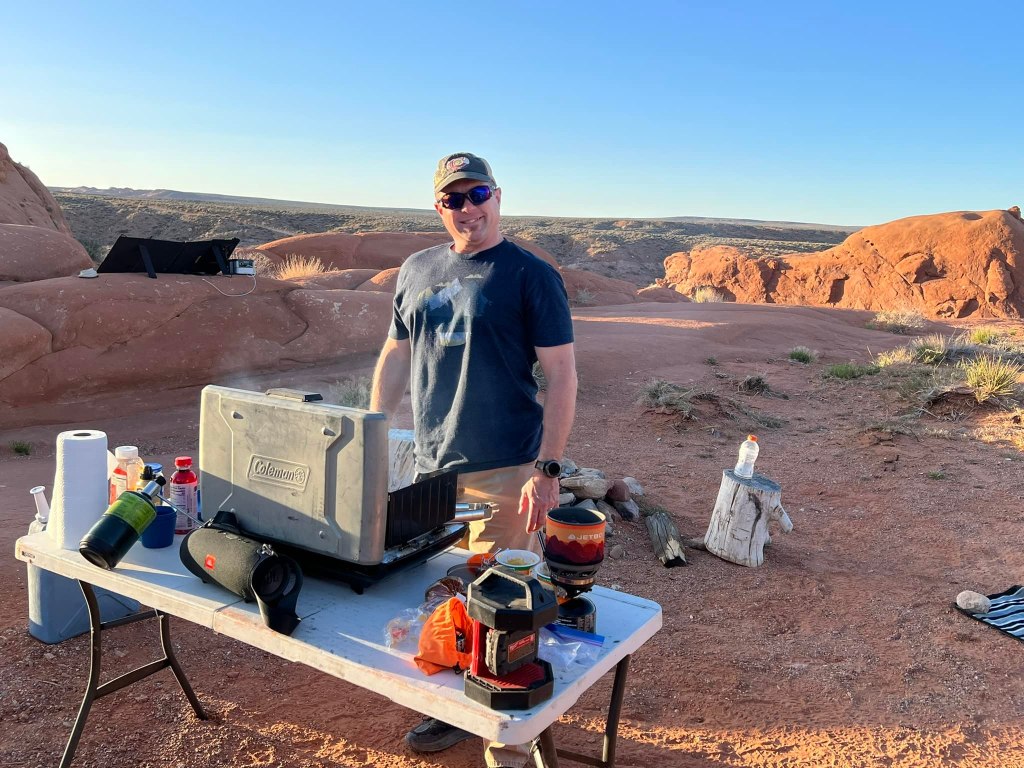
You’re often off-grid for days. Space is tight, and things bounce around. You need durability and convenience. Meals should be simple, hearty, and easy to prep with limited water and surfaces.
Overland kitchen musts:
- Sturdy, sealed containers
- Pre-marinated, vacuum-sealed meals
- One-pan cooking tools
- Compact spice and oil kits
- Trash management system
Smart Strategies for Meal Planning

- Plan by day and meal – Write out breakfast, lunch, dinner, and snacks for each day. It helps avoid overpacking and ensures variety.
- Choose versatile ingredients – Tortillas, rice, oats, cheese, and nut butters go a long way.
- Double-up ingredients – Use the same spice mix or protein in different ways over multiple meals.
- Think prep-to-plate – What tools will you need? What will cleanup involve? Choose meals that fit your energy level and time frame.
- Consider nutrition – Especially on strenuous trips. Aim for balanced meals with protein, carbs, and fats to keep you energized.
Best Practices for Repackaging
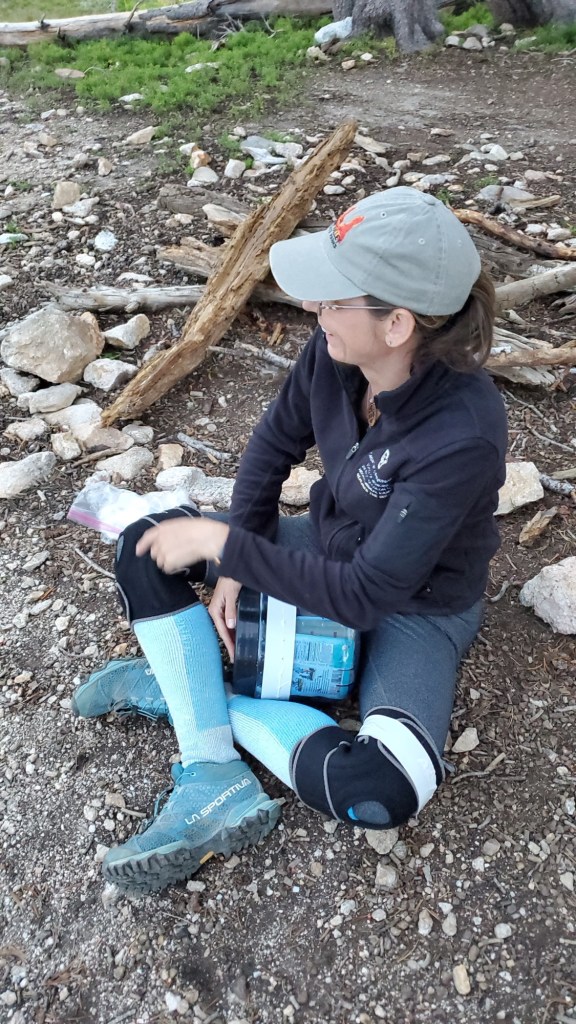
Backpacking: Think Light & Compact
When every ounce matters, efficient packing is essential. Lightweight, compact meals reduce bulk and trash while keeping your pack manageable and your bear bag tidy.
- Ditch the boxes – Move food from cardboard into zip-top bags or reusable pouches. Label with a Sharpie (meal + date).
- Use individual meal bags – One bag per meal: breakfast, lunch, dinner, and snacks.
- Vacuum seal if needed – Great for dense foods like jerky, dried fruit, and cheese.
- Pre-mix ingredients – Combine oatmeal mix-ins, rice seasonings, or spice blends at home to save time on the trail.
- Portion smart – Measure your calories or servings per day to avoid overpacking.
- Label with instructions – Especially for freeze-dried or homemade mixes: add water amount, cook time, etc.
RV Camping & Overlanding: Think Efficient & Organized
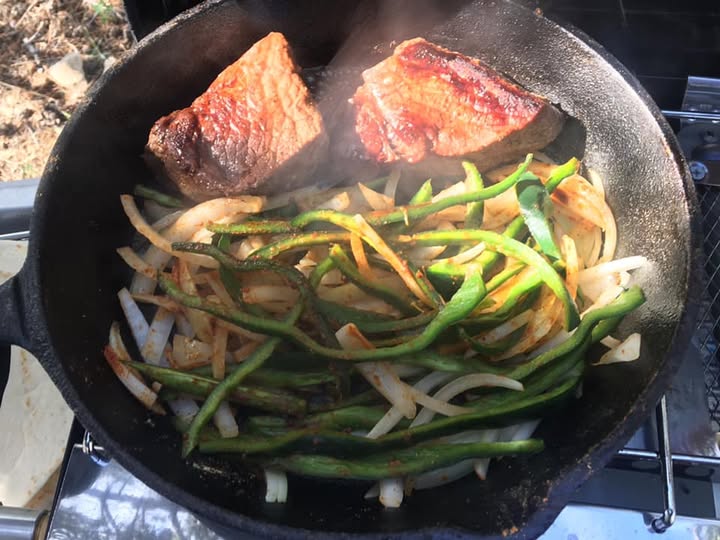
When you’ve got limited counter space or your kitchen rides on rough trails, smart packing goes a long way. Your setup should support quick meals, minimal cleanup, and secure storage.
- Pre-marinate meats – Vacuum-seal marinated proteins at home. Freeze to extend shelf life and help keep coolers cold.
- Pre-chop veggies – Chop and portion into reusable containers or vacuum-seal to save time at camp.
- Modular storage – Stackable bins, magnetic spice tins, and nesting cookware maximize galley or tailgate space.
- Condense condiments – Use small squeeze bottles or refillable tubes for oils, sauces, or spreads.
- Portion dry goods – Divide oats, rice, pancake mix, and coffee into meal-sized bags or jars.
- Group by meal – Especially handy when you’re boondocking or managing limited water. Prepping by meal minimizes rummaging.
- Durability counts – Overlanding means bounce and rattle—sturdy containers prevent cracked lids or surprise spills.
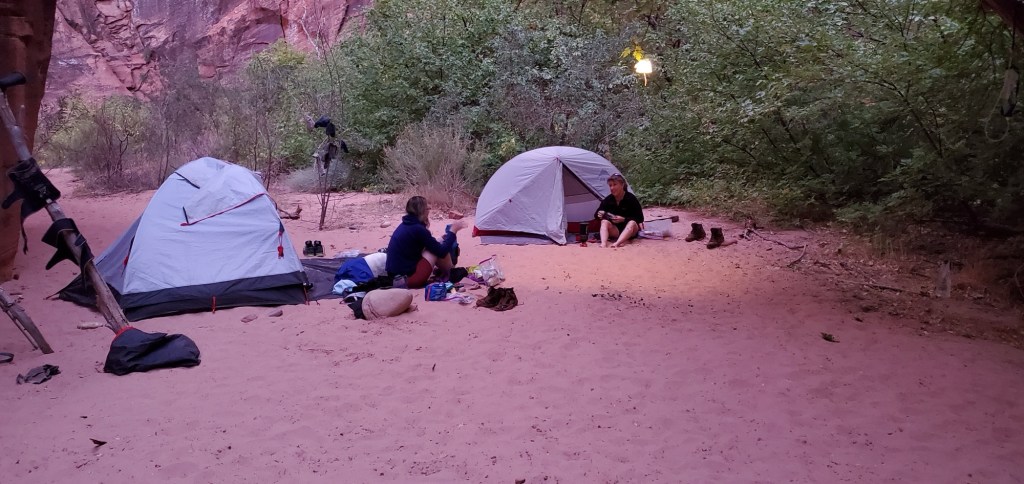
🌟 Crystal’s Trail-Tested Packing Tips
These little tricks have made a big difference on my backcountry and overland adventures:
- Silicone pouches are a lifesaver when a freeze-dried meal is too much for one sitting. I split the meal and save the rest for the next day—no leaks, no mess, and easy to reuse.
- Need more space in your bear canister or hang bag? I’ll carefully poke a tiny hole in a zip-top bag to release the air, then quickly reseal it. It flattens the bag and helps squeeze in those extra snacks.
- Organize by day with a gallon zip-top bag. I group all of that day’s meals and snacks into one. It makes planning easy and, bonus—it doubles as a trash bag for packing out food scraps or wrappers.
Sometimes it’s the small adjustments that make outdoor cooking more manageable—and a lot more enjoyable.

Sample Day: Backpacking
- Breakfast: Instant oats and coffee—just add hot water. I love starting the day with Cinnamon Apple oats and a cup of Trader Joe’s instant coffee. It’s simple, warm, and exactly what I need before hitting the trail.
- Lunch: “Pizza on the go” with pita bread, tomato paste, Babybel cheese, and pepperoni. I thought I was going to have to fight off Bill to keep my lunch—it was that good.
- Dinner: Dehydrated chicken fajita bowl wrapped in a tortilla. I pair it with a packet of spiced apple cider for a warm, comforting end to the day.
- Snacks: Dried fruit, cheese cubes, a Snickers bar (a favorite of mine), or protein energy bites for sustained fuel between meals.
Sample Day: Overlanding or RV Camping
- Breakfast: Breakfast sandwich with a toasted bagel, egg, cheese, and sausage or bacon (or both if we’re feeling extra hungry). It’s quick, filling, and always a favorite.
- Lunch: Lunchtime can be an excellent opportunity to take a break from driving or exploring and enjoy a satisfying meal. When Bill and I are deep in the backcountry—sometimes a hundred miles from the nearest town—I usually keep it simple with sandwiches. But simple doesn’t mean boring. We like trying different combinations, like apple, brie, and turkey on whole grain, or a crusty baguette layered with ham, Gruyère cheese, Dijon mustard, and tiny pickles. It’s a quick meal that feels gourmet, even when we’re parked in the middle of nowhere.
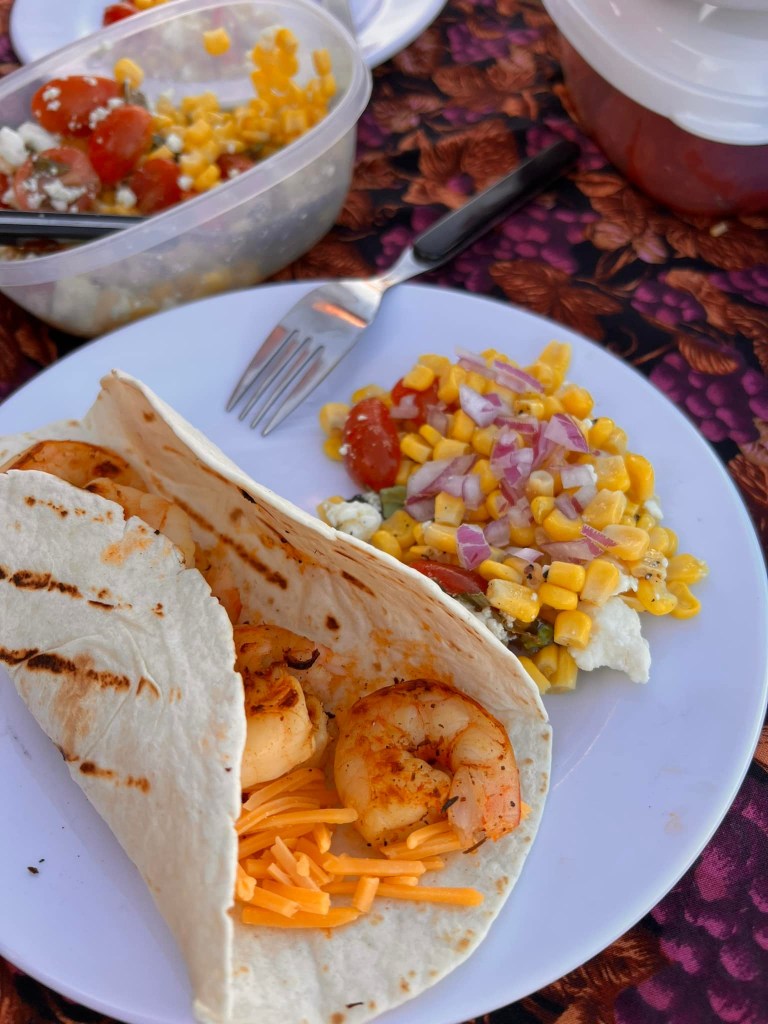
- Dinner: Shrimp tacos with corn salad. I pre-marinate the shrimp at home and vacuum-seal them for freshness. We grill or sauté them at camp and serve with tortillas, crunchy slaw, and a corn salad made with lime, cilantro, and black beans.
- Extras: Campfire s’mores kit and a post-hike lemonade.
Trail-Tested Sandwich Combos

When you’re far from town and craving something fresh, sandwiches hit the spot. They’re quick to assemble, easy to pack, and full of flavor. Here are a few of our favorites:
- Apple, Brie & Turkey – Sweet and savory with a satisfying crunch. Great on whole grain or a crusty roll.
- Ham, Gruyère & Dijon – A French-style twist with tangy mustard and tiny pickles on a split baguette.
- BLT with Pre-Cooked Bacon – Classic and camp-friendly. Layer crisp lettuce and tomato just before eating.
- Salami, Provolone & Arugula – Bold and hearty, perfect with a swipe of pesto or red pepper spread.
- Classic Club – Bacon, turkey, cheddar, and Dijon stacked on your bread of choice. Satisfying and travel-ready.
Pro Tip: Keep bread and fillings separate until you’re ready to eat if you’re concerned about sogginess—especially on hot or humid days.
Final Thoughts
Delicious camp meals don’t happen by accident—they start at home with a plan. Whether you’re hauling gear through alpine passes or parking your trailer in a pine grove, prepping ahead makes outdoor cooking something to enjoy, not just endure.
Over time, your meal system will evolve. You’ll figure out which tools are worth bringing, what meals feel like comfort food in the wild, and how to cook with ease even when the wind is howling or the firewood’s wet. Repackaging and thoughtful planning give you the freedom to eat well, stay organized, and spend more time doing what you came to do—explore.
In the wild, your kitchen moves with you. Make it count.



 Western Wanderlust Chronicles
Leave a comment