


From Utah’s dusty desert trails to Colorado’s wild alpine ridgelines, I have spent this summer chasing every kind of landscape. And even after more than a decade of hiking in Rocky Mountain National Park, it still surprises me.
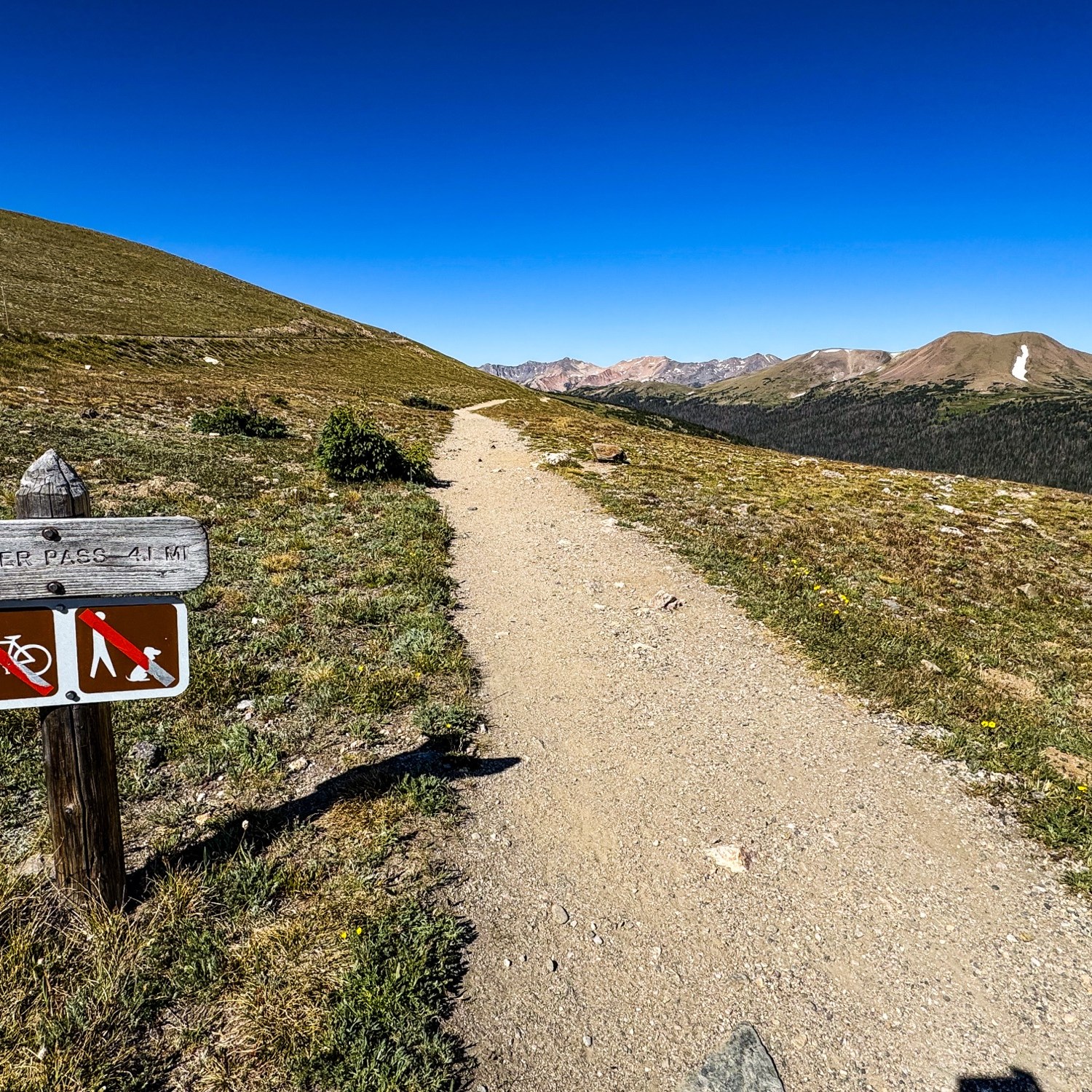
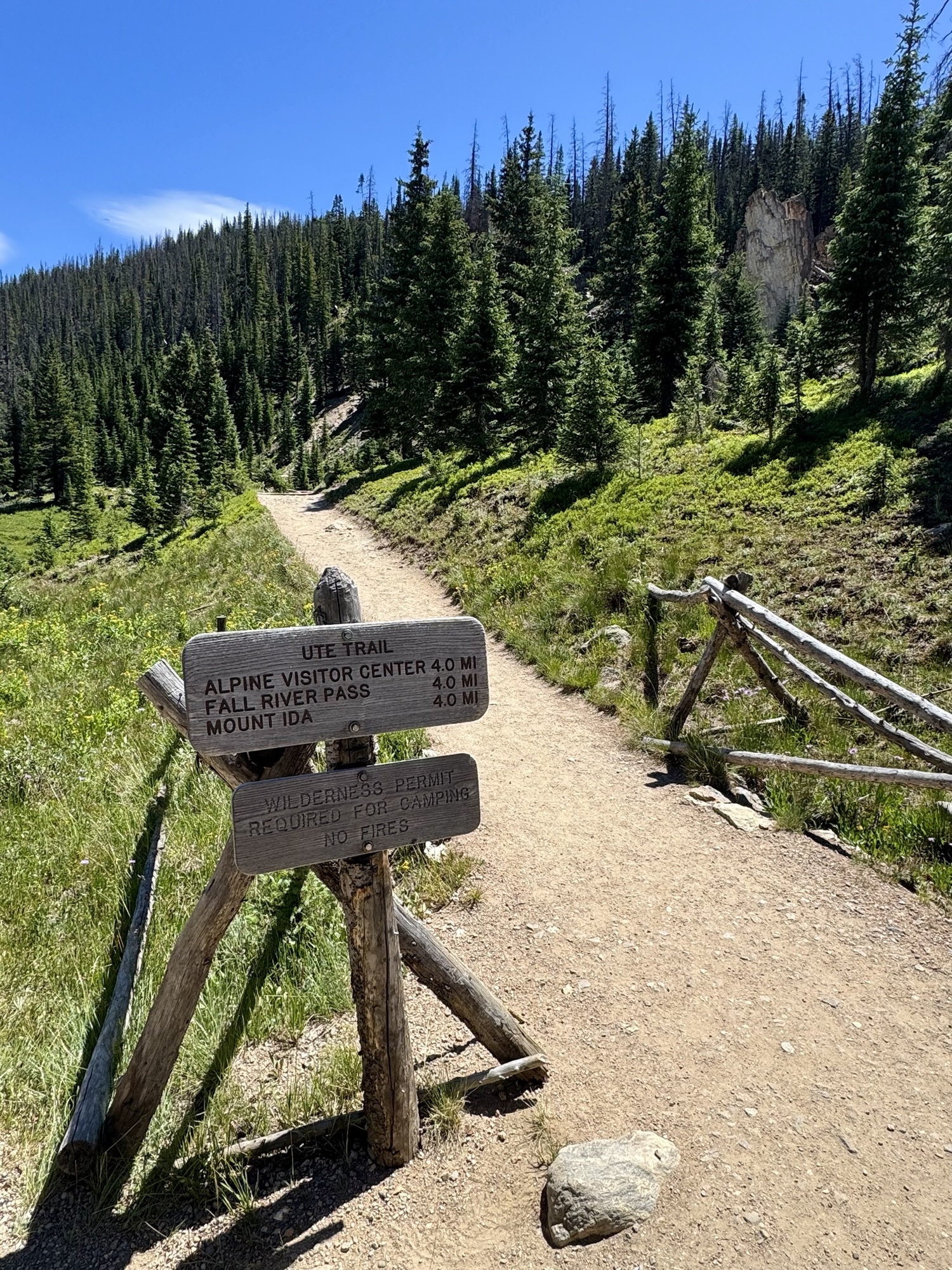
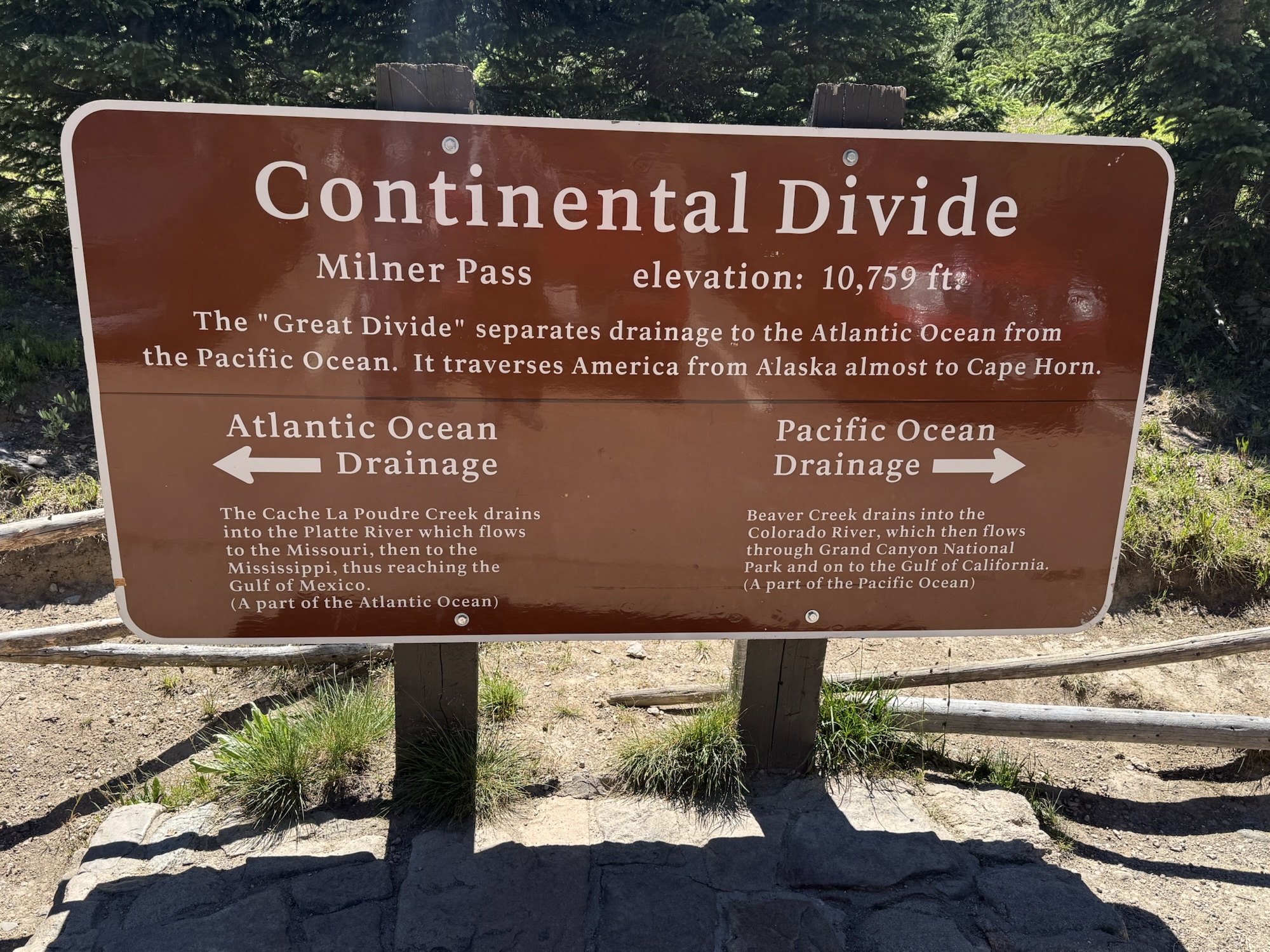
Last weekends adventure took Greg and I to the high country—starting on the Ute Trail, one of RMNP’s most scenic stretches of alpine tundra. We began at the Alpine Visitor Center, perched above 11,700 feet, and followed the well-marked path as it gently wound its way across the ridge toward Milner Pass.
Above the Trees, Beneath the Sky
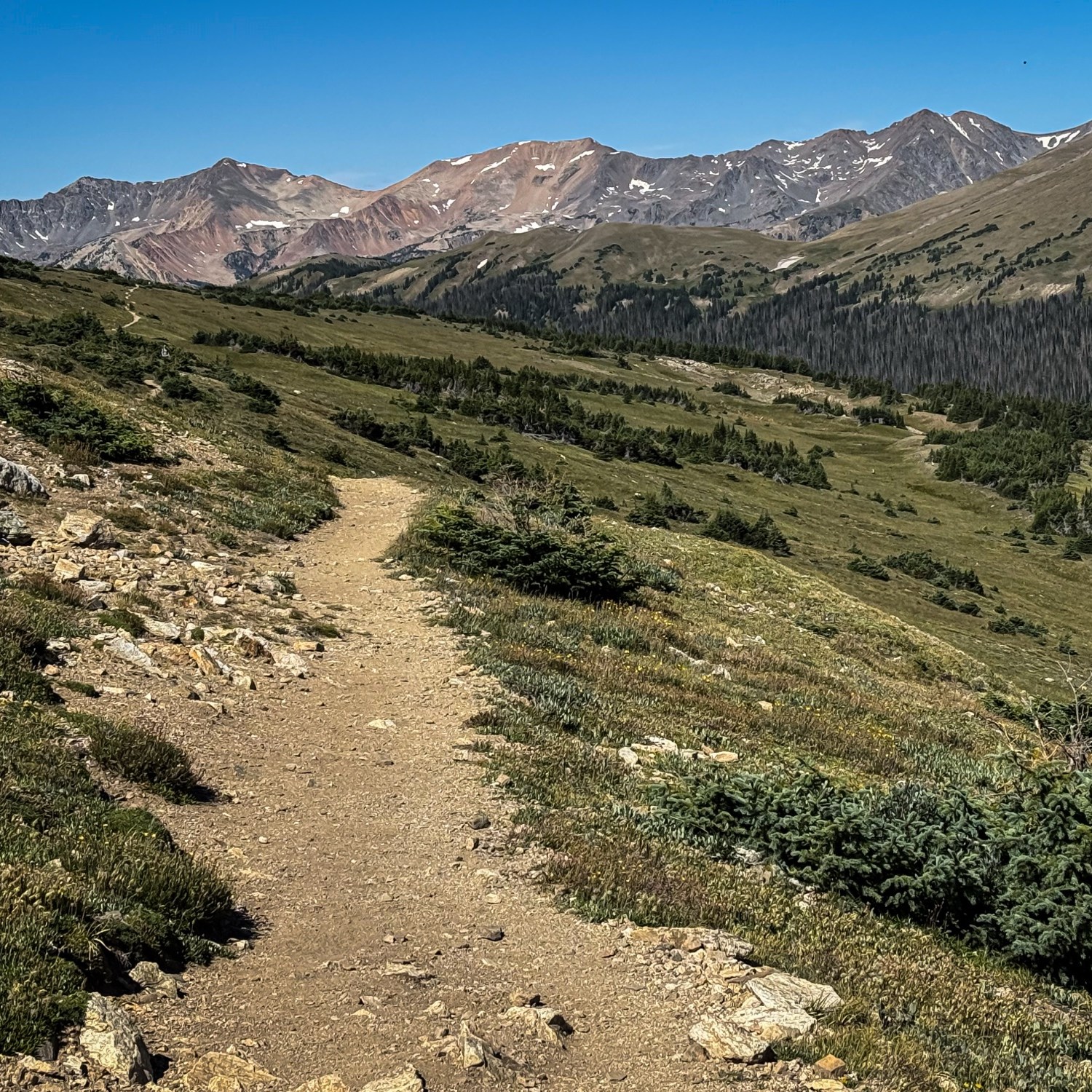
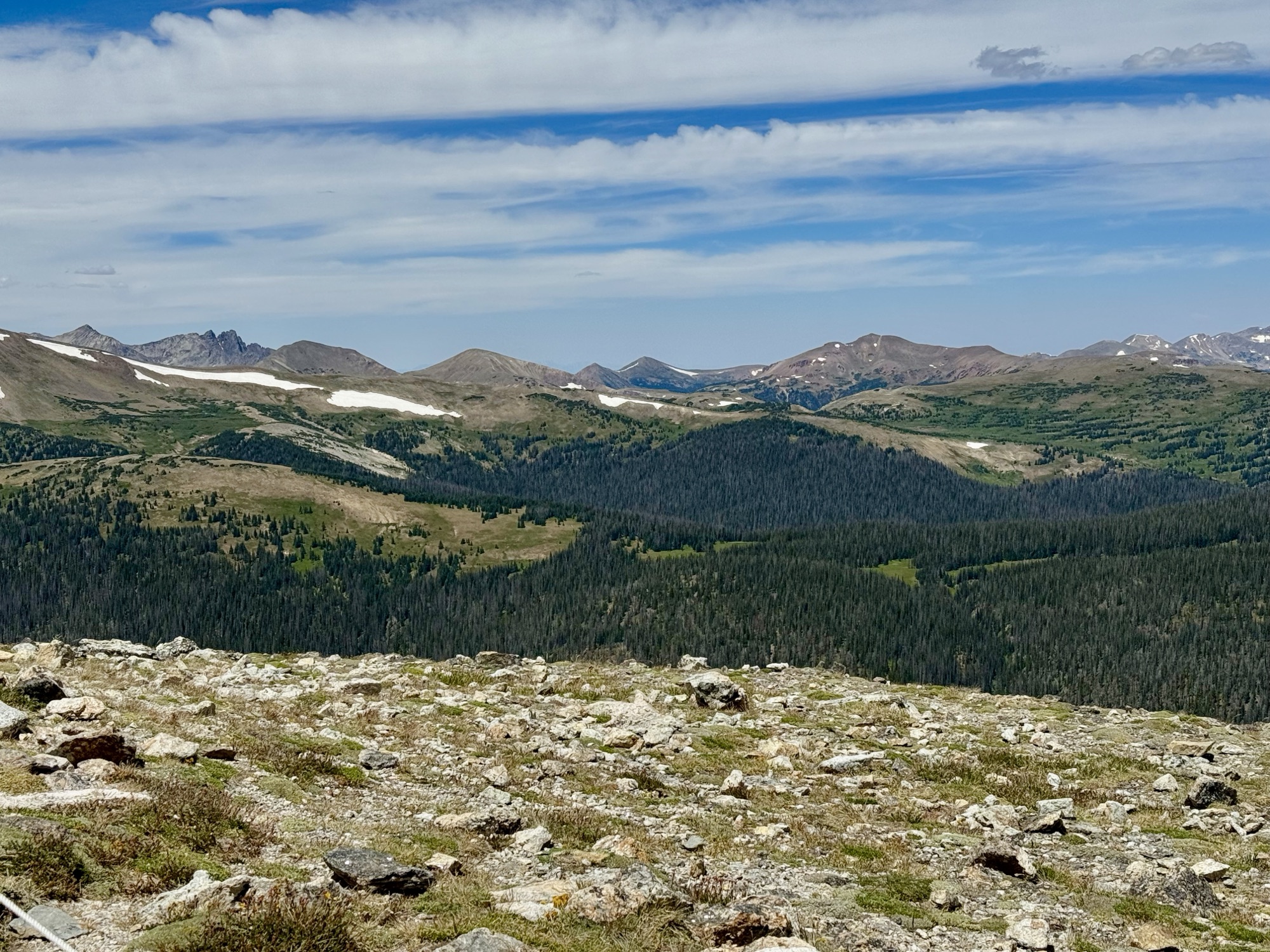
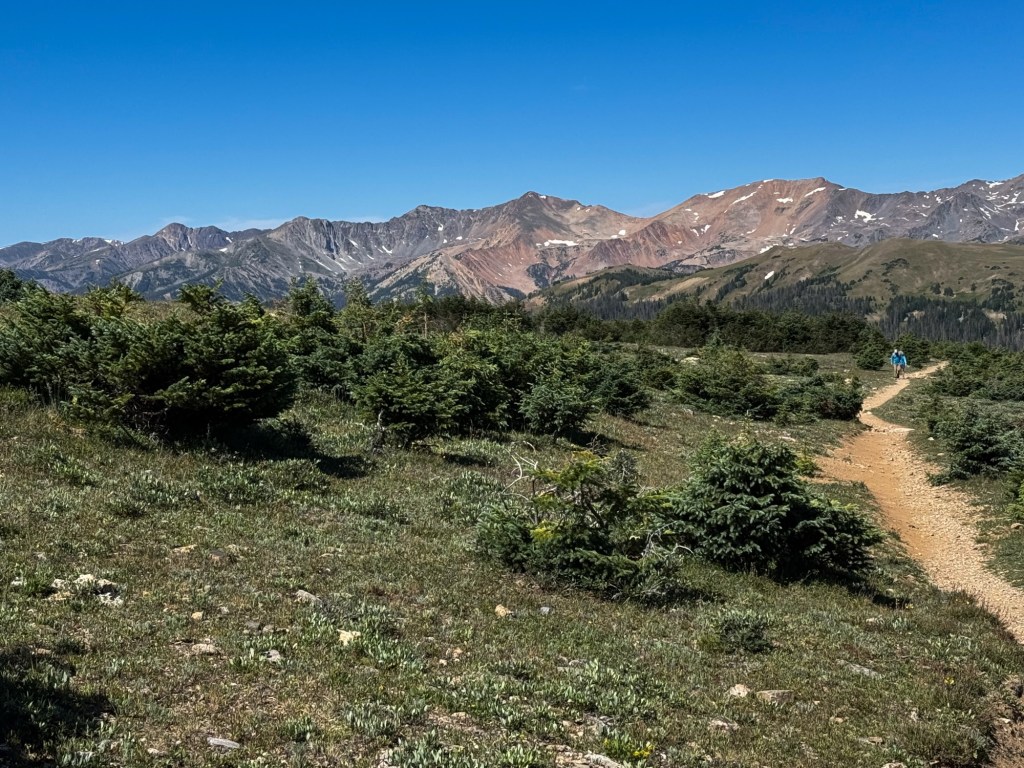
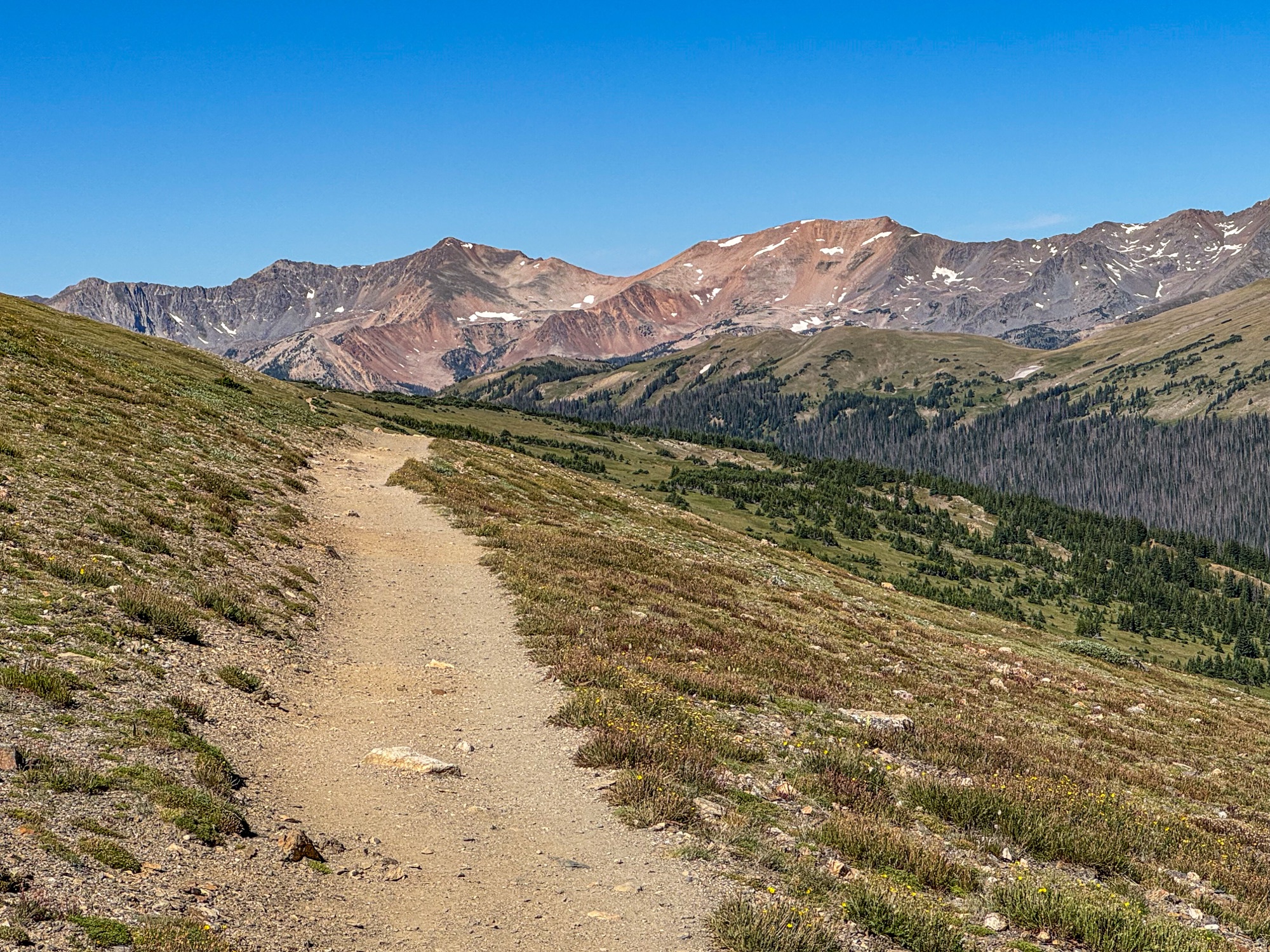
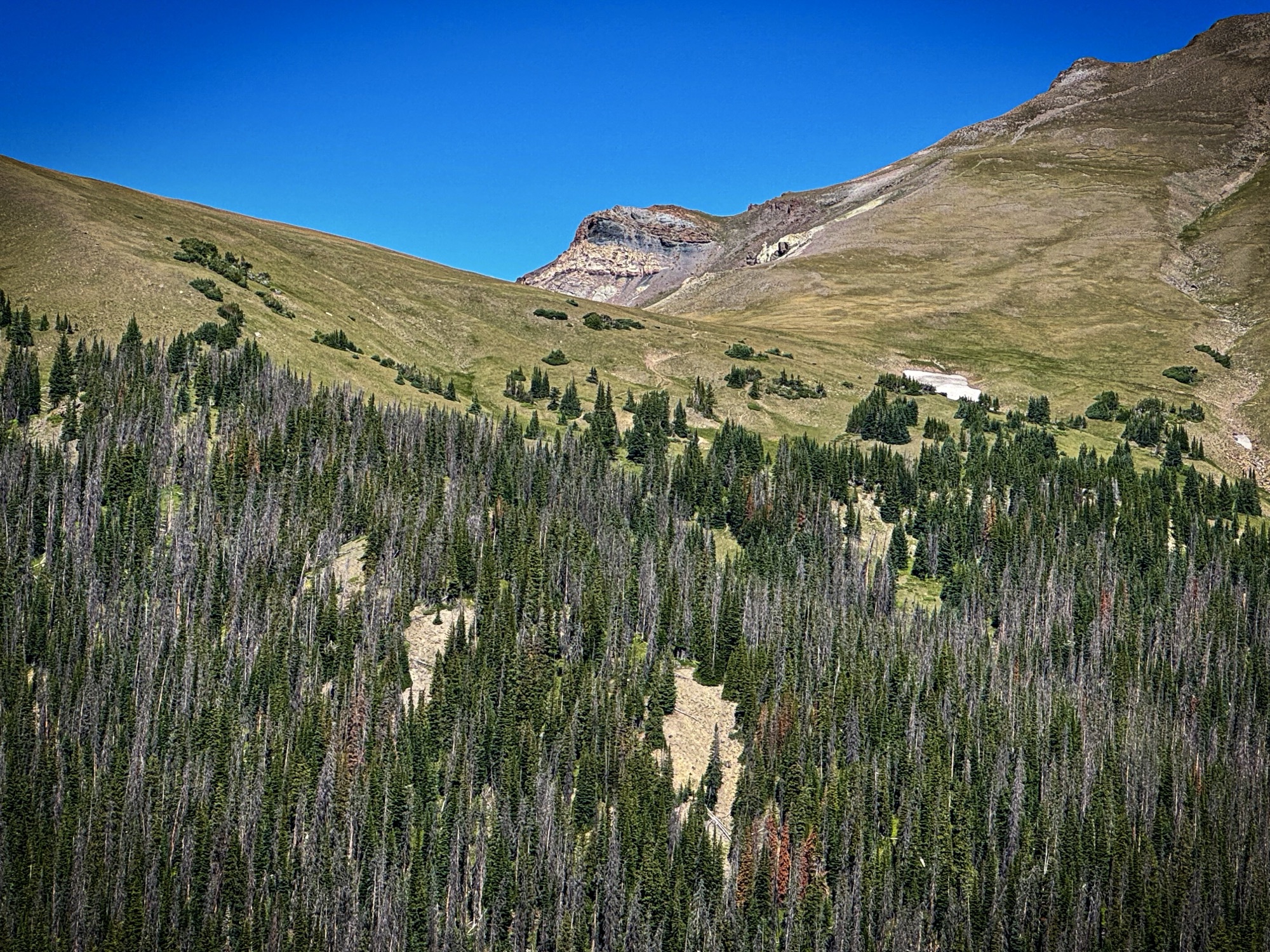
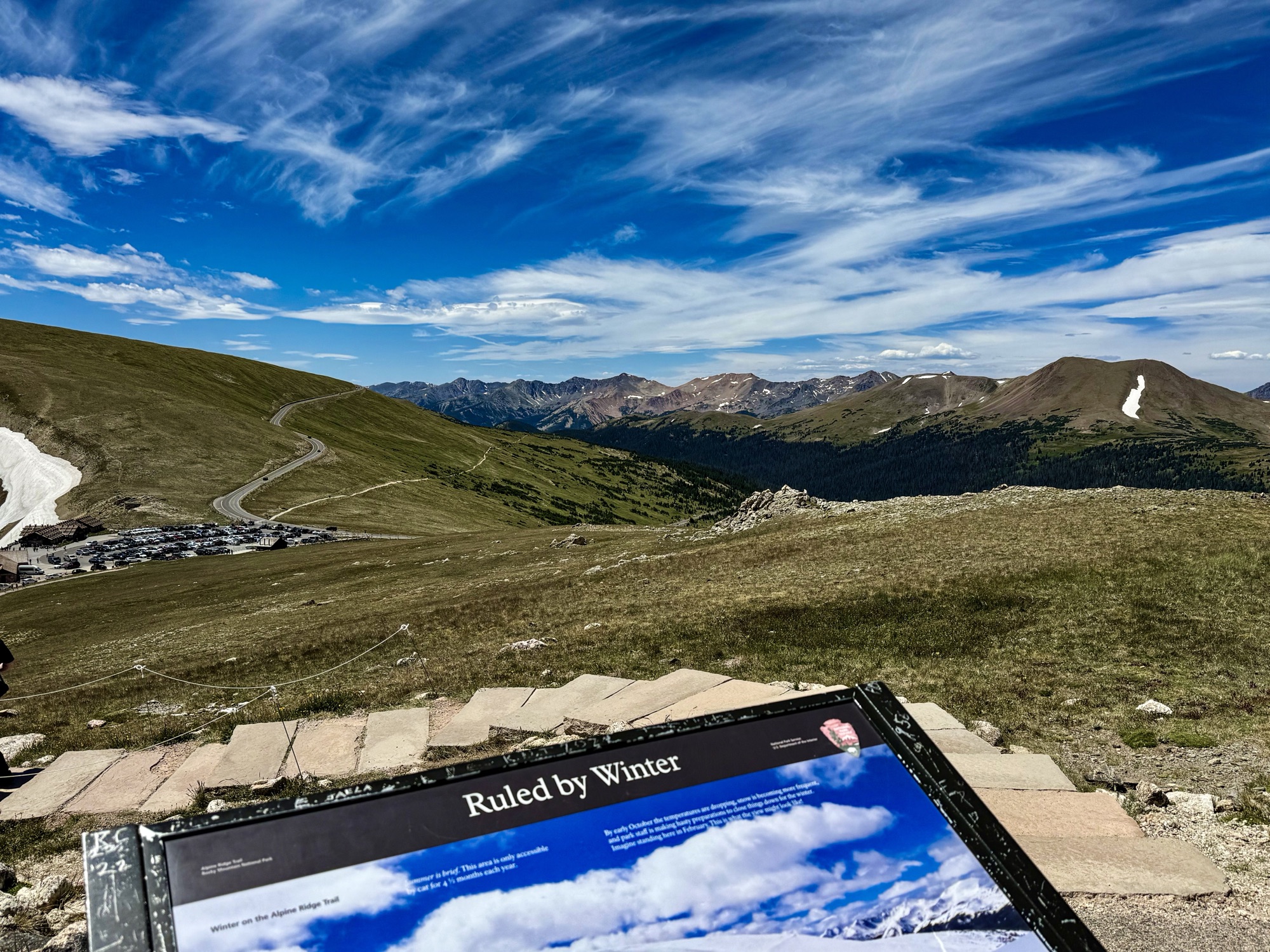
The moment we stepped onto the trail, we were greeted with sweeping, 360-degree views of the Never Summer Mountains, a rugged range with jagged peaks and volcanic origins. Their rust-red tones and patches of summer snow made them impossible to look away from—and thankfully, we didn’t have to. The trail gives you nearly uninterrupted views as it gently dips and climbs across the tundra.
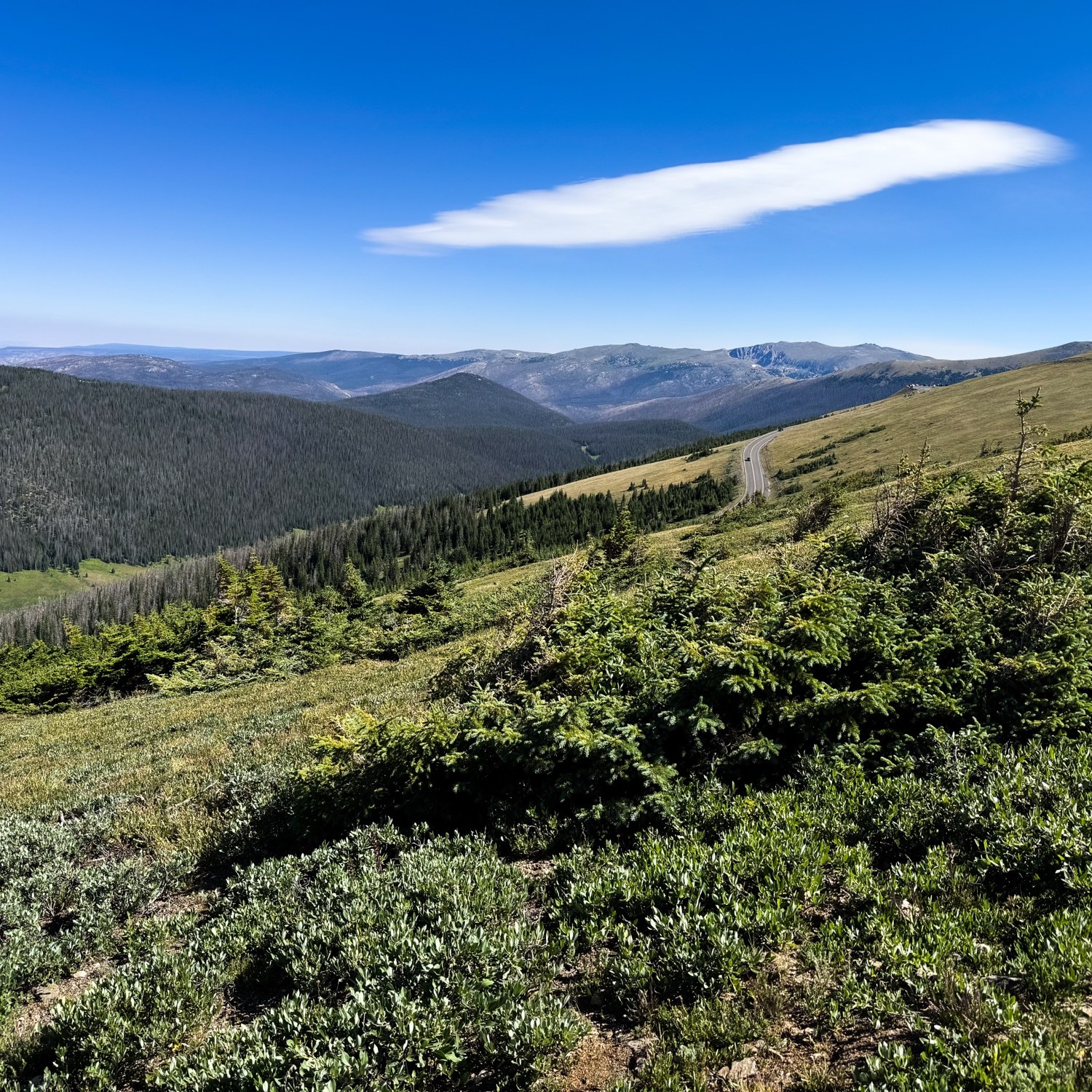
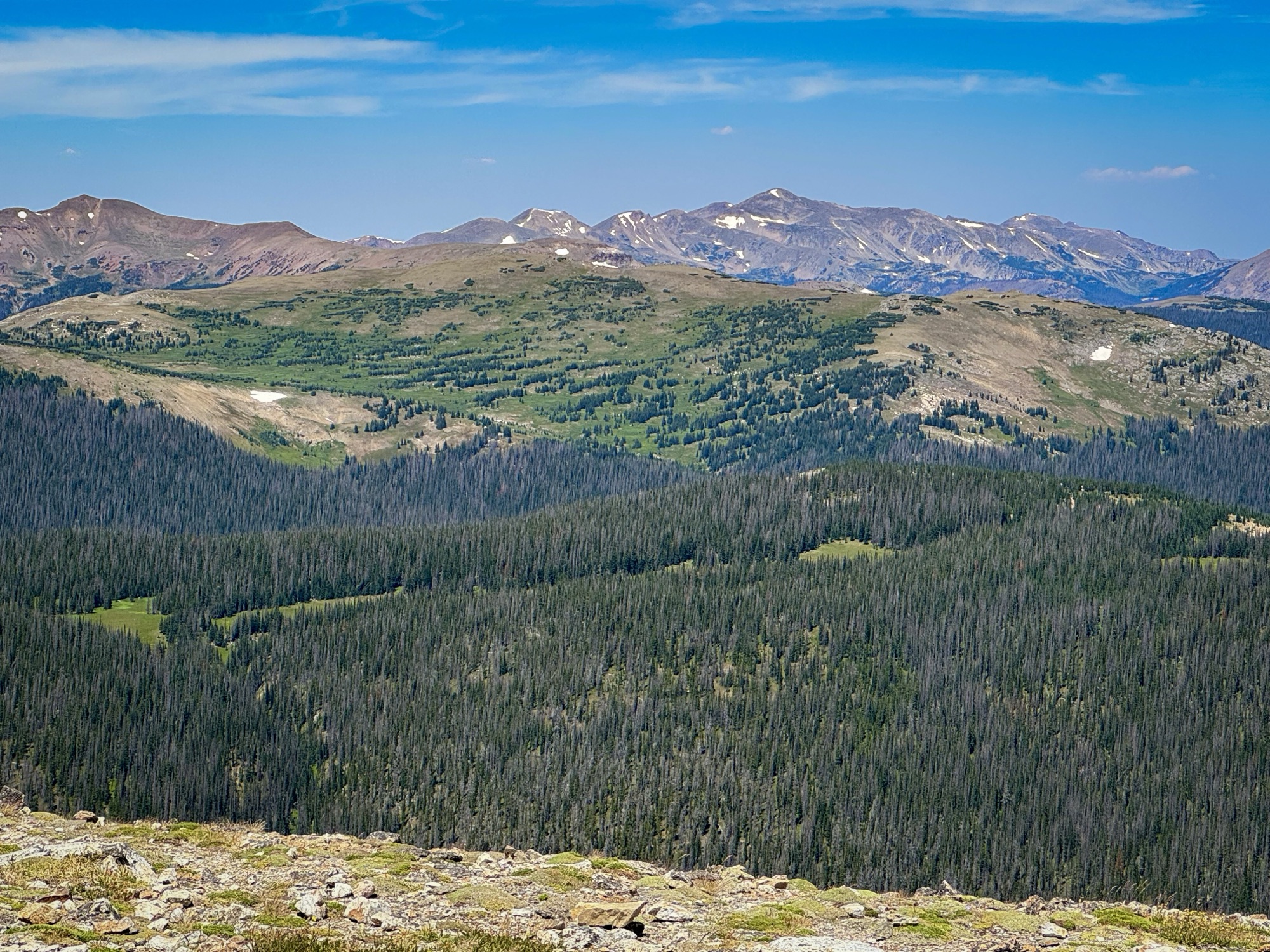
From this vantage point, the Cache la Poudre River Valley stretches out far below, its meadows and winding waterway framed by forested ridges. The contrast between the bare alpine ground underfoot and the deep, glacial-carved valleys beyond made this section feel expansive and cinematic.
We passed signs marking the way, reminding us this is a foot-traffic-only trail—a rare gem where the only traffic jam might be a marmot sunbathing on a rock.
Forest Canyon Pass & Tundra Reflections
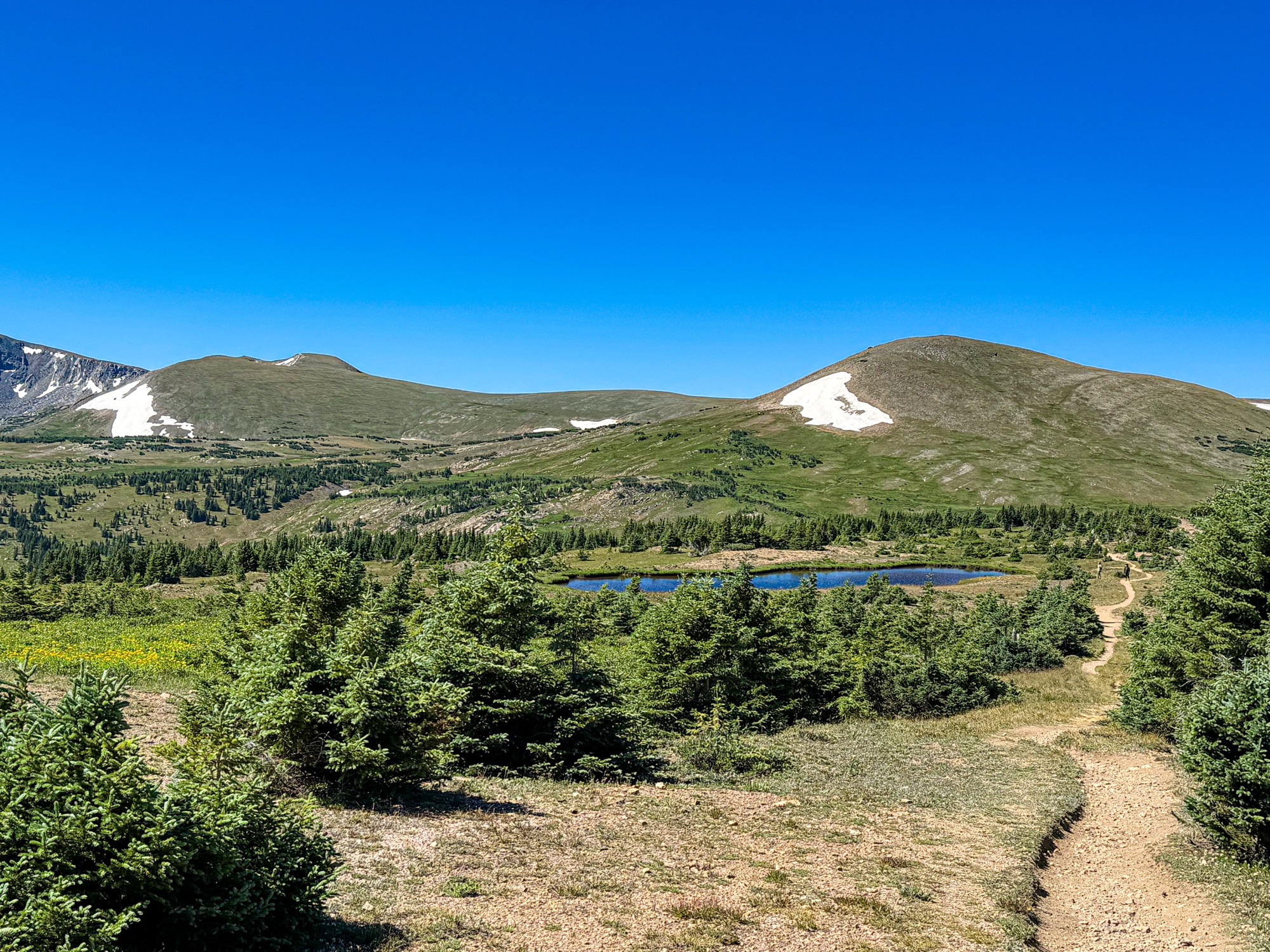
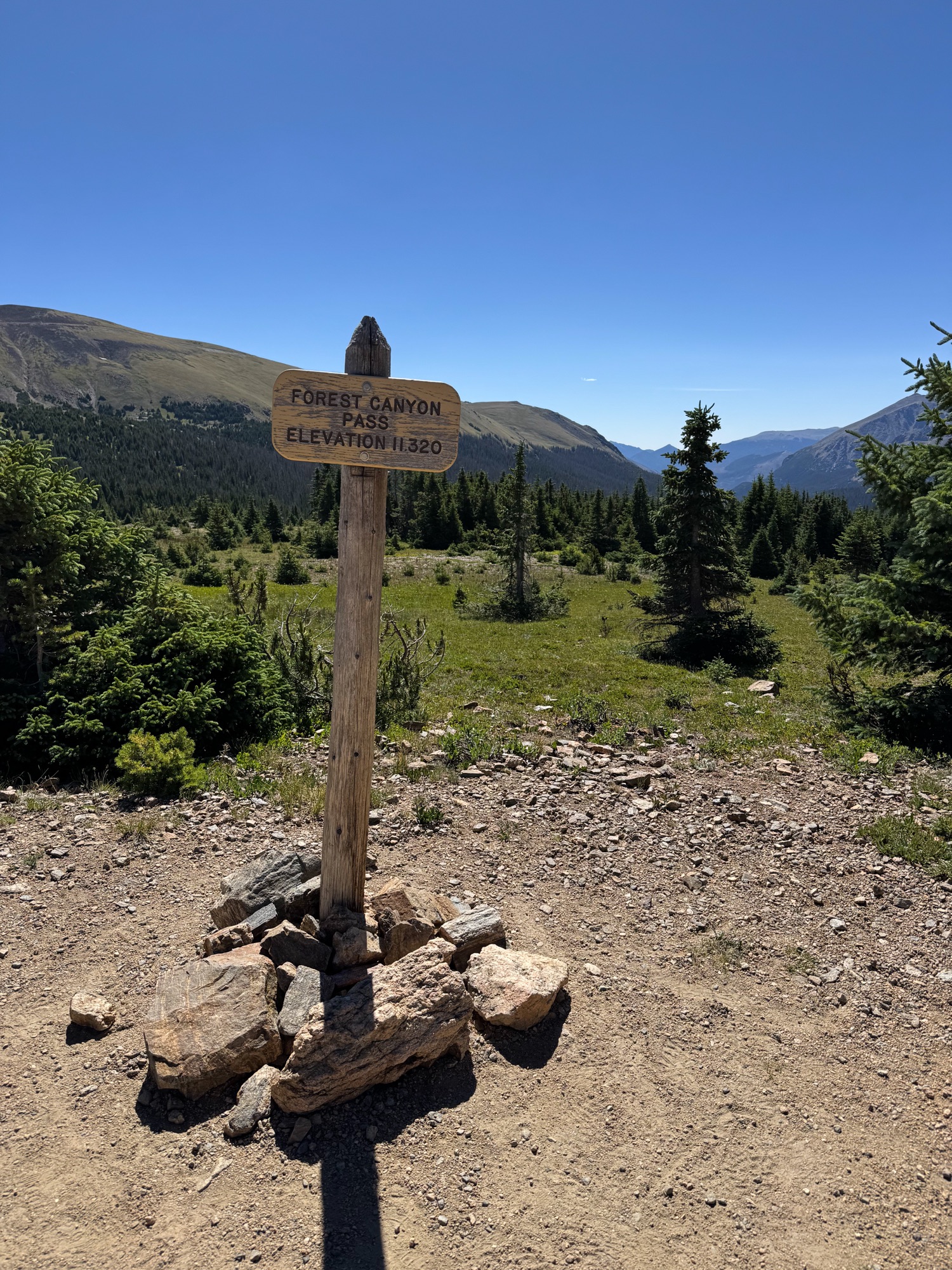
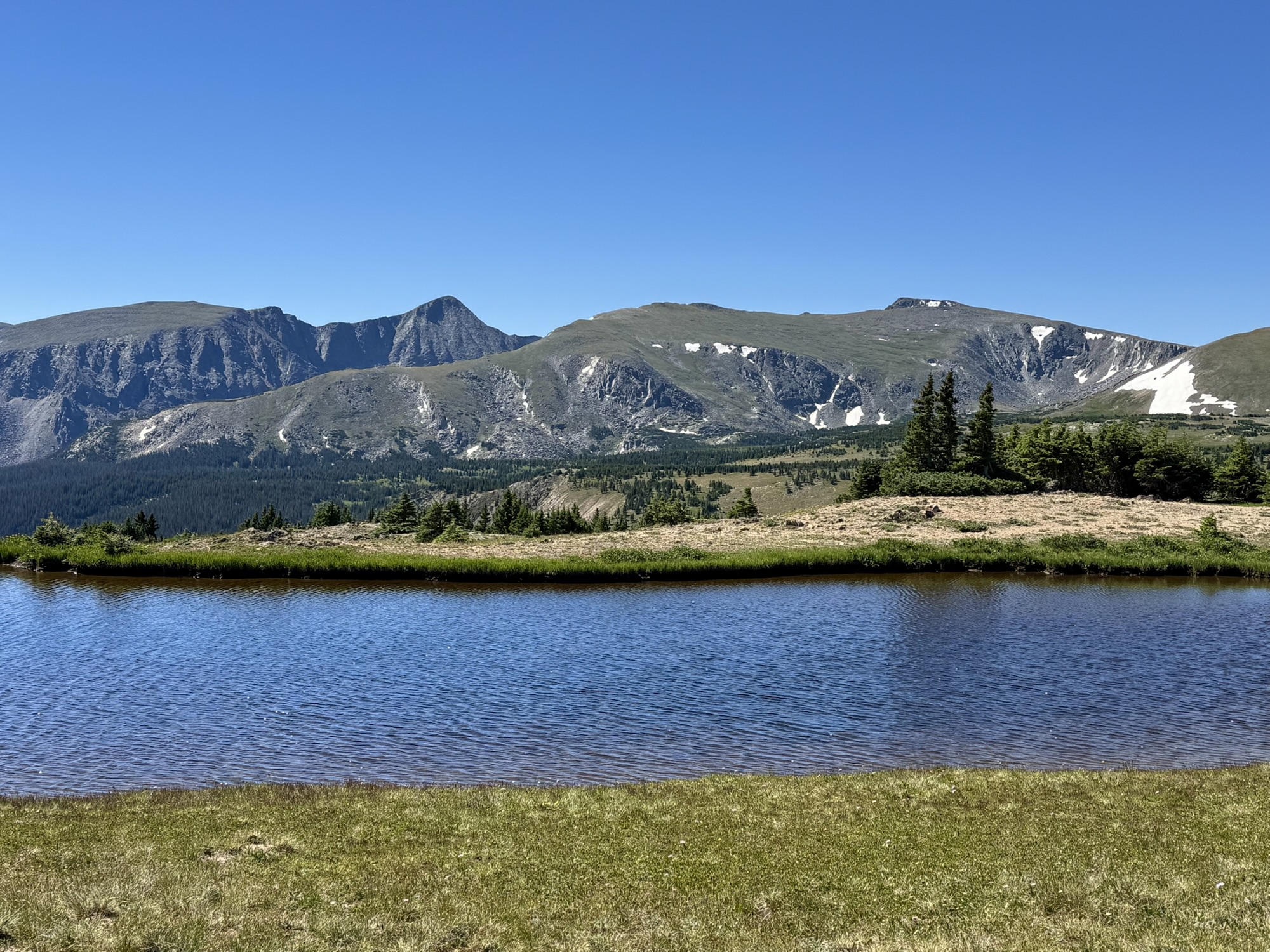
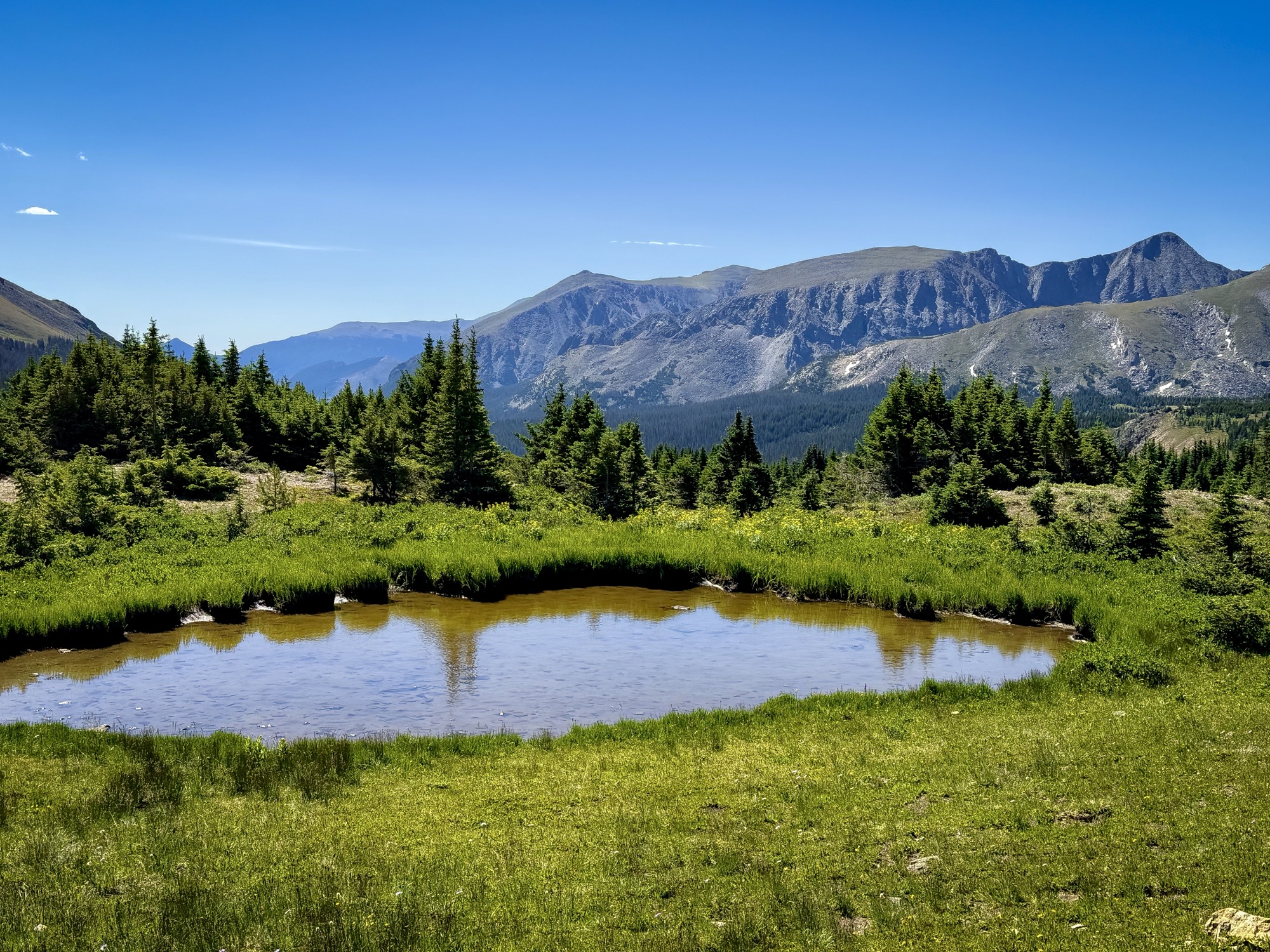
One of the most magical features of this trail lies near Forest Canyon Pass: a series of pristine alpine ponds shimmering against the windswept tundra. These small pools reflected the sky and the surrounding green, and offered a peaceful pause amid the wide-open ridgelines.
From here, you can peer over the steep cliffs of Forest Canyon itself and take in views of the 12,000-foot peaks of the Continental Divide—craggy, dramatic, and still dotted with late-summer snowfields.
Descent into Green
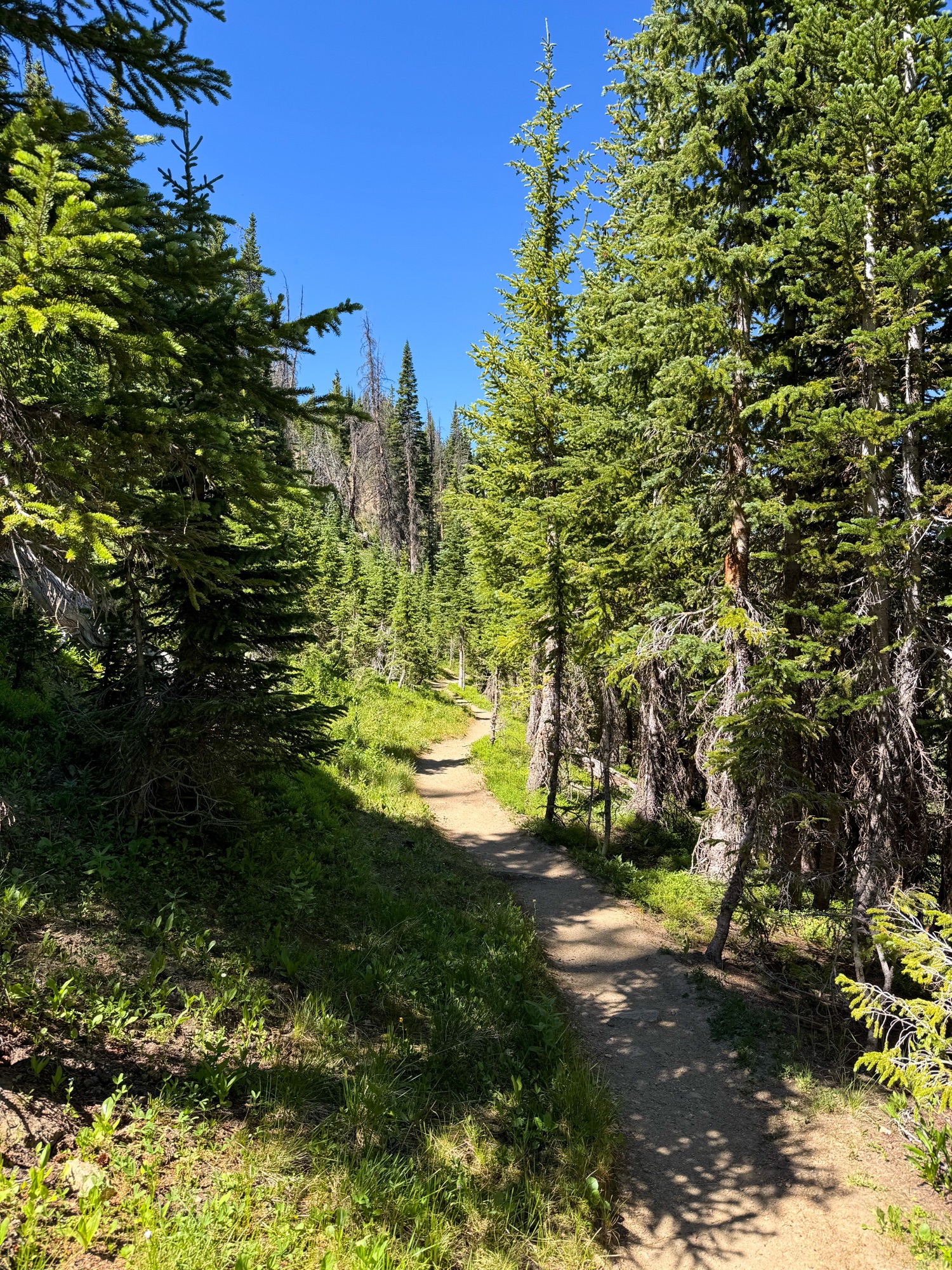
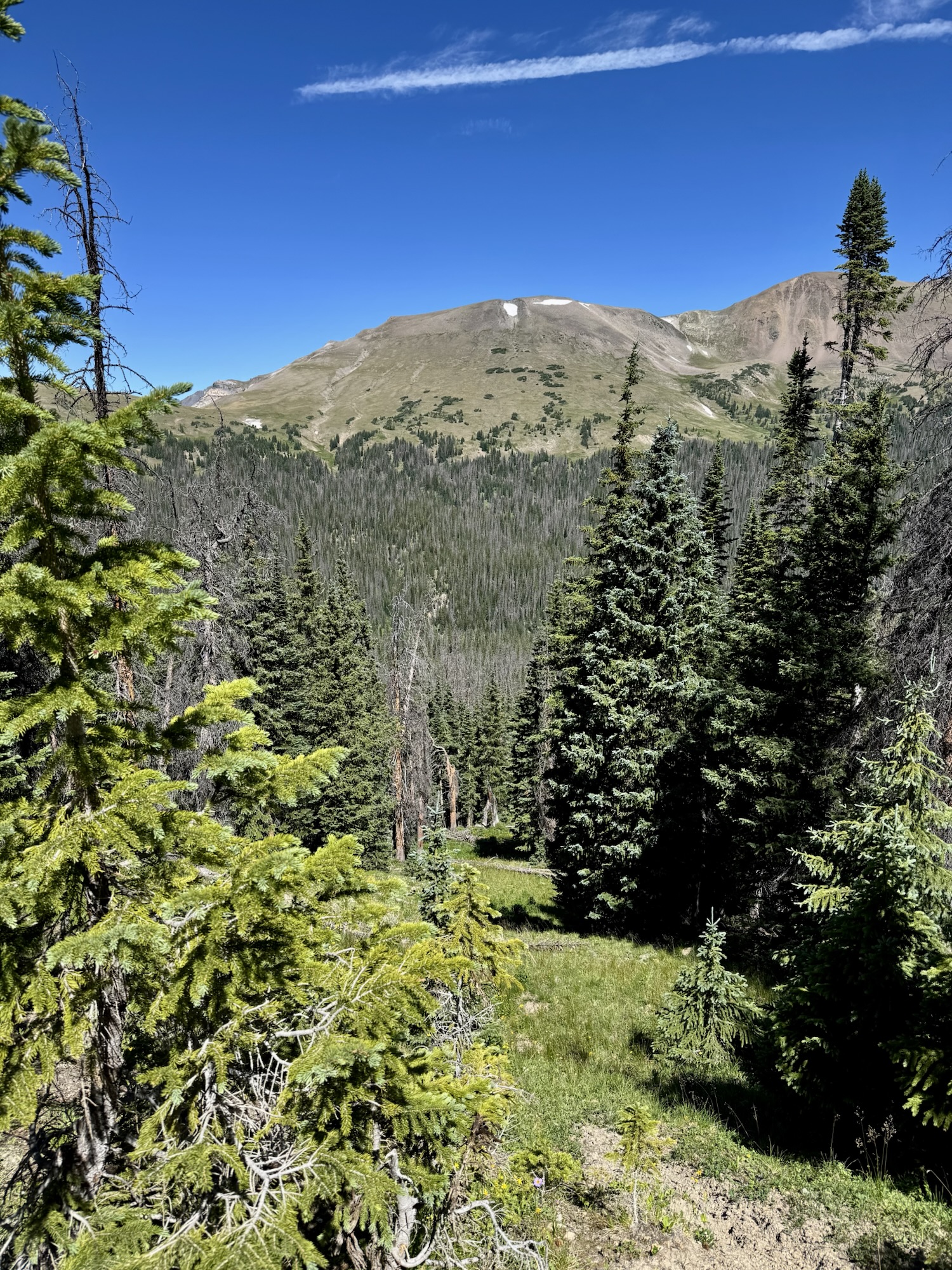
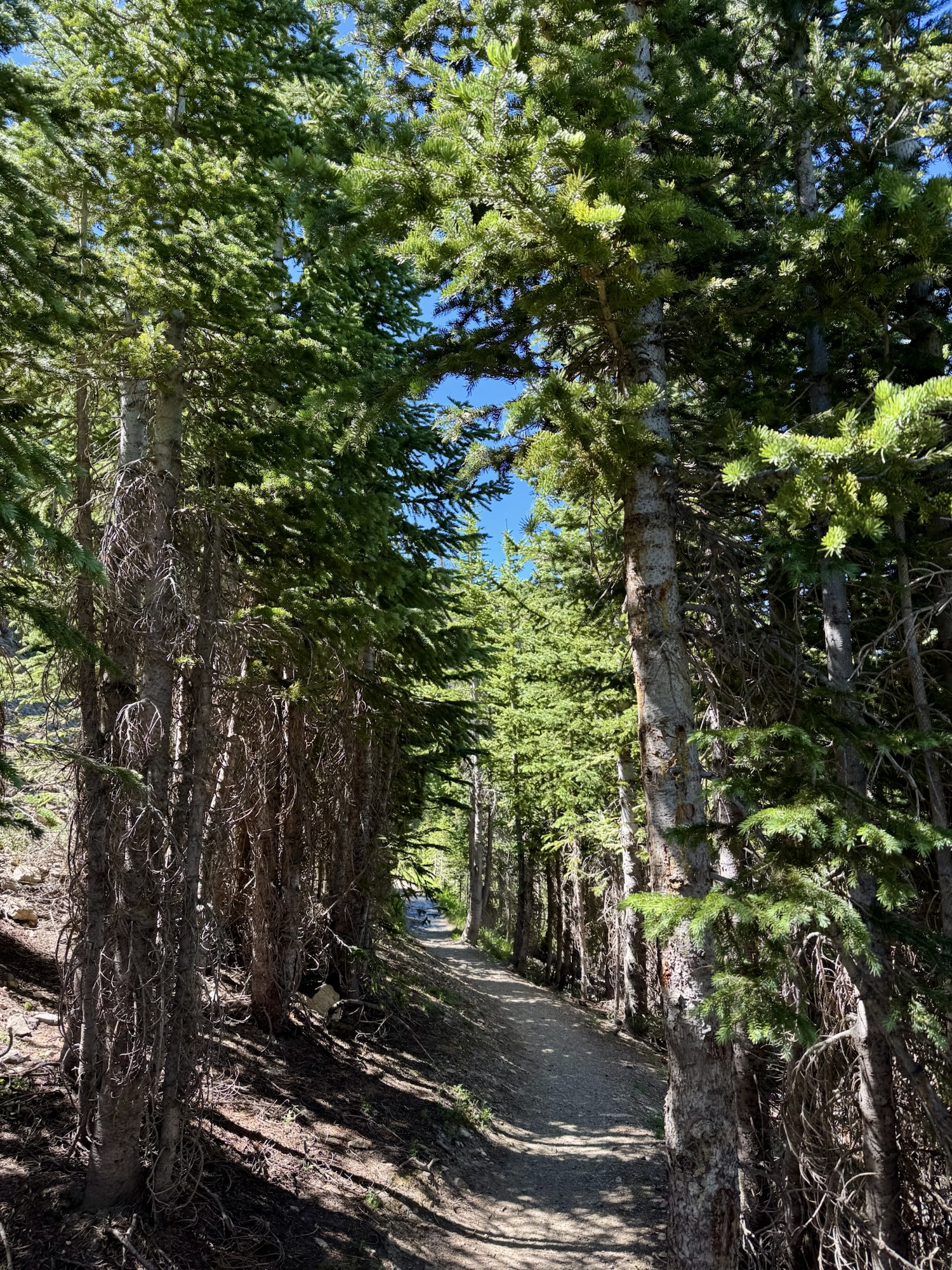
As we continued westward, the landscape began to shift. The trail gradually descended, and what was once wind-blown tundra softened into the scent of subalpine firs and spruces. Pockets of wildflowers danced beside the trail, and the path gently narrowed as it entered the trees.
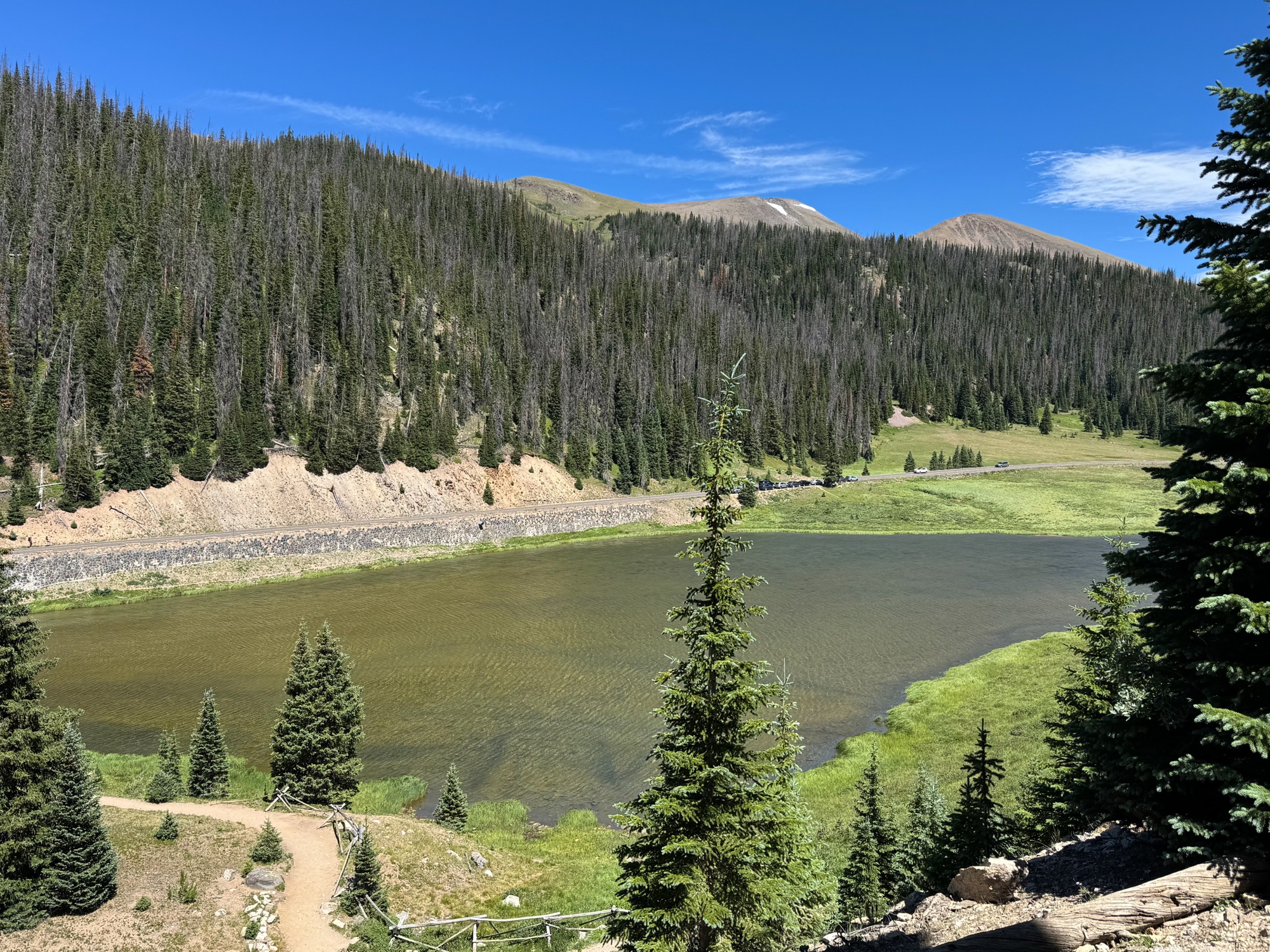
Eventually, Poudre Lake shimmered into view below—an alpine lake nestled in a quiet basin, and the striking Poudre Lake spires rising behind it. It’s the perfect visual finale to this ridgeline trek—an alpine jewel nestled into the edge of the forest.
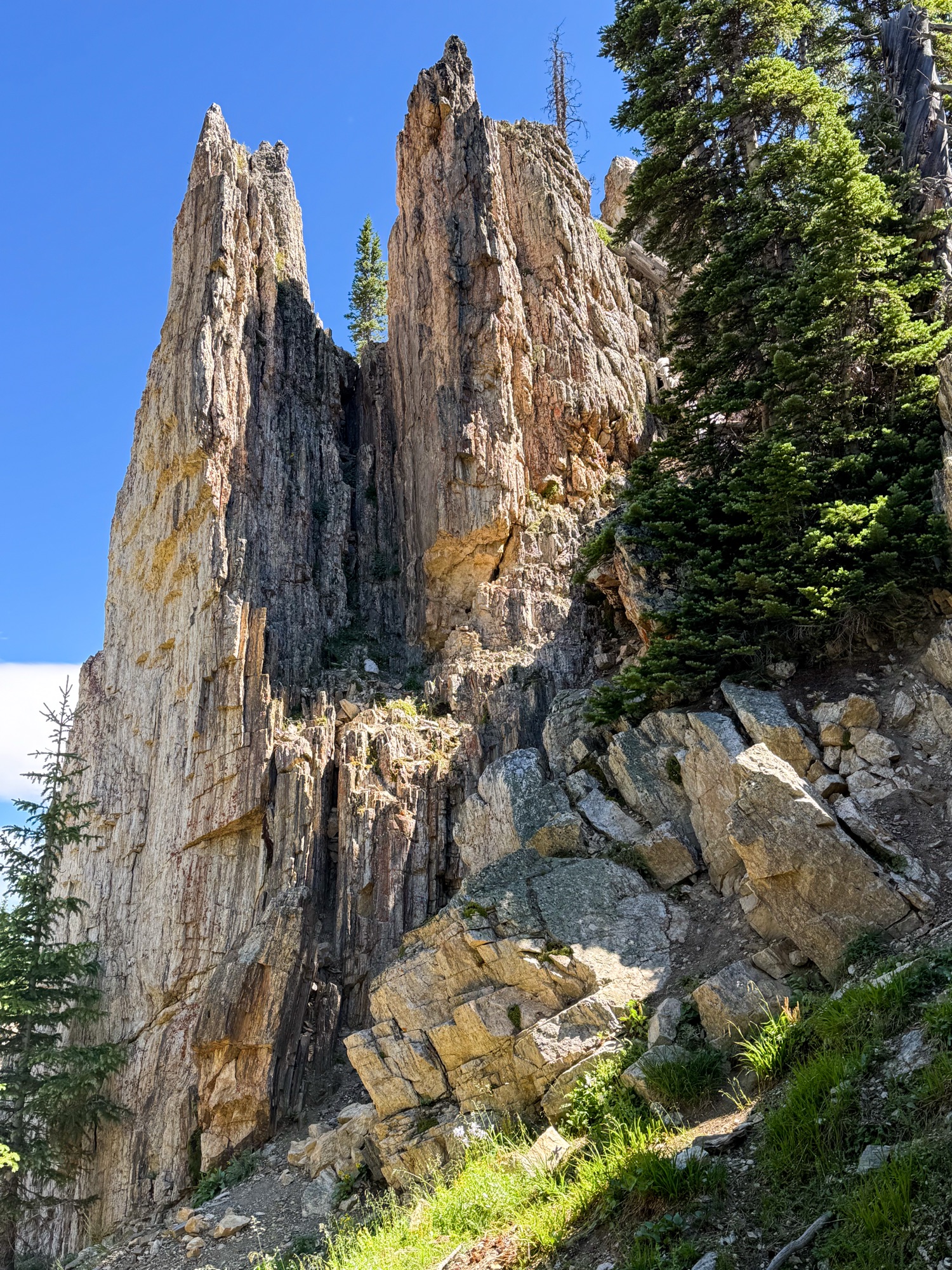
Bonus Summit: Alpine Ridge Trail
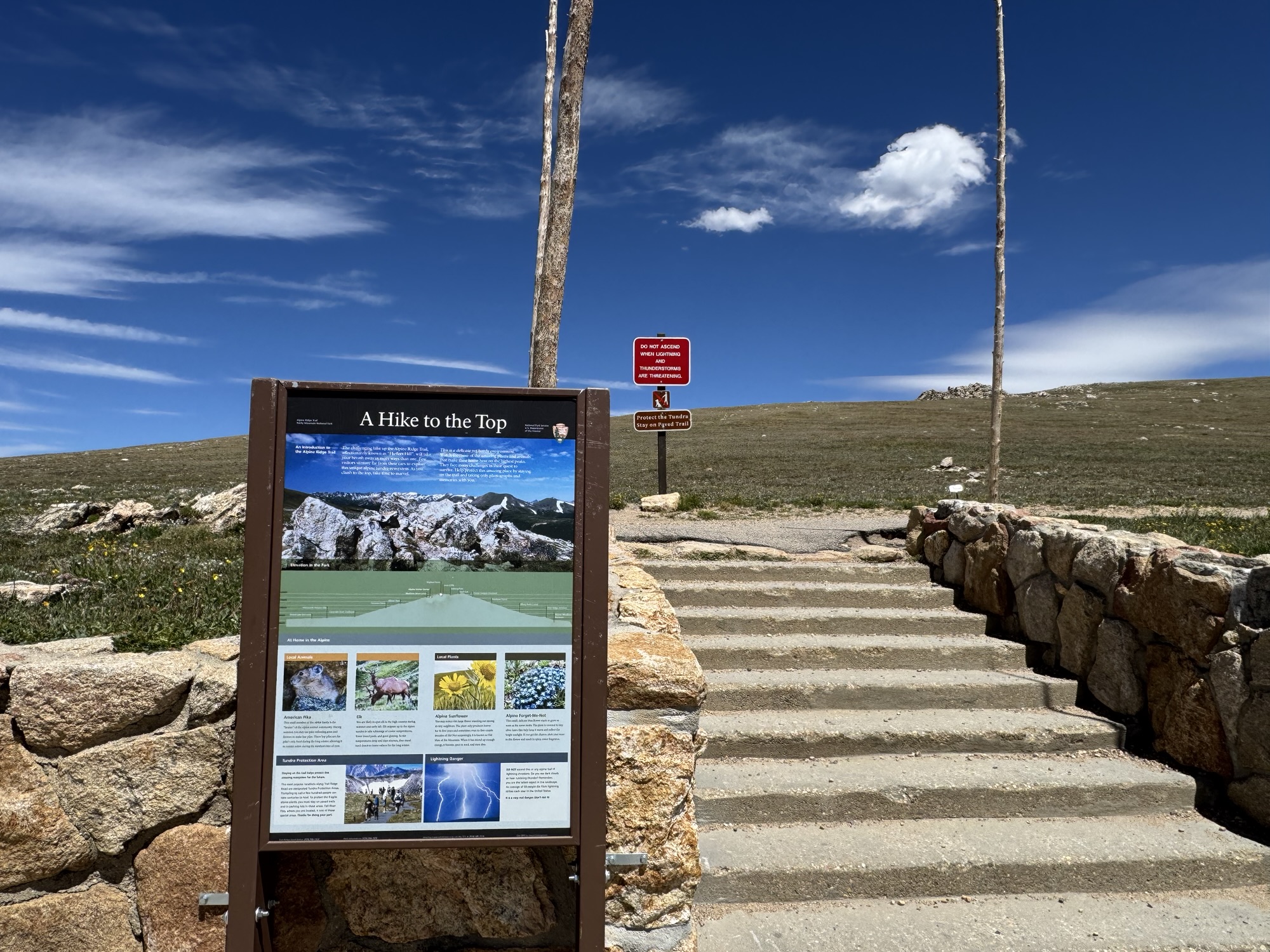
After finishing our hike at Milner Pass (and enjoying a well-earned snack), we drove back up to the Alpine Visitor Center and decided to stretch our legs once more—this time on the Alpine Ridge Trail.
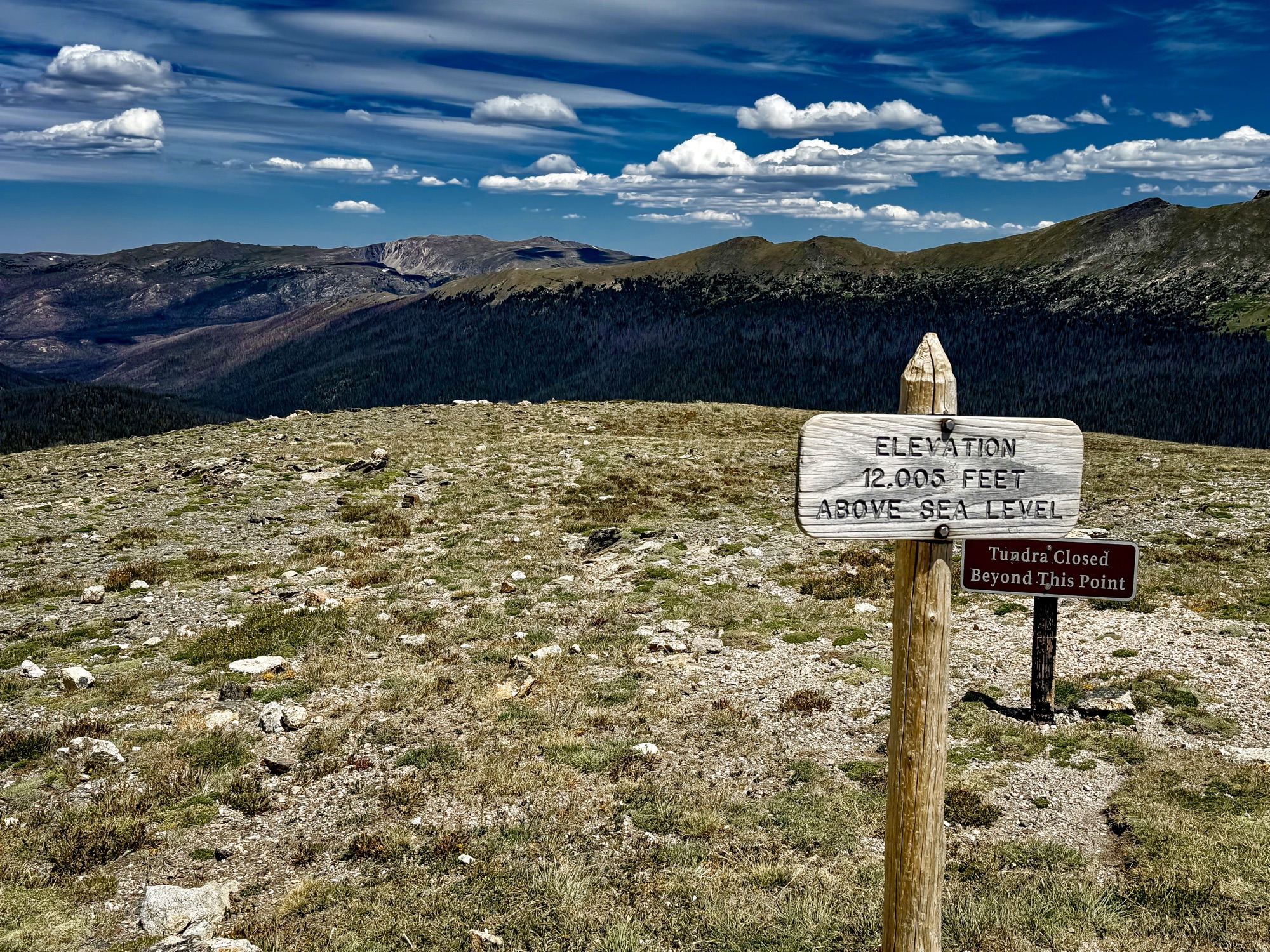
Though short (just 0.6 miles round trip), this trail climbs steeply to a panoramic overlook above treeline reaching over 12,000 ft. From the top, we could see Longs Peak, Trail Ridge Road, and even the distant Medicine Bow Mountains in the Rawah Wilderness—where we hiked during our Fourth of July trip just a few weeks ago. It was a full-circle moment, connecting adventures across the month from opposite ends of the range.
Final Thoughts
It’s easy to fall in love with Rocky Mountain National Park again and again. Whether it’s our first time on a new trail or our tenth return to a familiar one, there’s always something different to experience—a shift in season, a new wildflower bloom, a unique light on the mountains.
From desert heat to alpine chill, from red cliffs to green valleys, this summer has been a wild, beautiful ride.
And we still have more to come.
Hike Details
Ute Trail (Alpine Visitor Center to Milner Pass)
- Distance: ~4 miles one way
- Elevation: Starts ~11,796 ft / Ends ~10,759 ft
- Difficulty: Moderate
- Trail Type: Point-to-point (car support waiting at the other end)
Bonus Hike: Alpine Ridge Trail
- Distance: 0.6 miles RT
- Elevation Gain: ~200 ft
- Difficulty: Short but steep
Photo Gallery



 Western Wanderlust Chronicles
Leave a comment